


The African safari has long been synonymous with wilderness and wildlife, but behind the scenes, lodges can leave an ecological footprint that’s far from light. Energy-hungry air conditioning, bottled water, and diesel-powered vehicles all add up. Fortunately, a new generation of safari pioneers is proving that sustainability and comfort can coexist.
From fully solar-powered camps to lodges that rewild degraded landscapes, these seven properties are not only reducing their impact but also actively restoring the ecosystems around them.
1. Cheetah Plains, Sabi Sand (South Africa)
Cheetah Plains has become a beacon of what a carbon-negative safari can look like. The lodge runs entirely on solar energy, with a vast photovoltaic system powering everything from the luxury suites to the kitchen. Their fleet of silent, all-electric safari vehicles eliminates both emissions and engine noise, allowing guests to glide through the bush without disturbing wildlife. Plastic bottles have been replaced with refillable glass, water is purified onsite, and biodegradable packaging is the norm. It’s proof that sustainability and high-end design can coexist.
2. Noka Camp, Lapalala Wilderness (South Africa)
View this post on Instagram
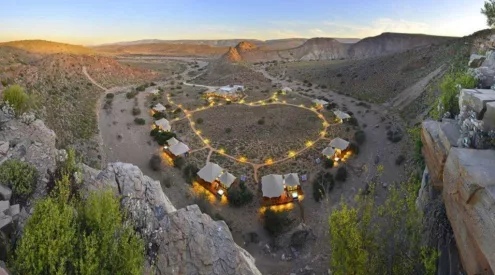
Perched high above the Palala River, Noka Camp offers more than panoramic views of the Waterberg. It is completely off-grid, relying on solar energy for all its power needs, and has eliminated single-use plastics throughout its operations. What makes it especially remarkable is its conservation impact: profits support rhino, pangolin, and cheetah research, while guests can learn firsthand about Lapalala’s education and anti-poaching initiatives. Staying here feels like being part of a bigger conservation story.
3. Samara Karoo Reserve, Eastern Cape (South Africa)
Samara is a textbook case of rewilding in action. Once farmland, its 67,000 hectares of semi-arid Karoo are being painstakingly restored, with cheetahs, elephants, and lions reintroduced to landscapes where they once roamed freely. The reserve runs largely on solar power and partners with local communities to ensure conservation benefits are shared. Guests contribute directly to this ambitious project simply by staying here — a chance to witness a living experiment in ecosystem restoration.
4. Sabi Sabi Earth Lodge, Greater Kruger (South Africa)
With its organic architecture carved into the earth, this lodge almost disappears into the landscape — a fitting metaphor for its sustainability ethos. Sabi Sabi Earth Lodge operates on solar energy, treats and recycles wastewater, and has significantly reduced its use of single-use plastics. Beyond infrastructure, it invests in education, skills development, and healthcare projects for surrounding communities, ensuring that conservation success goes hand-in-hand with human well-being.
5. !Xaus Lodge, Kgalagadi Transfrontier Park (South Africa)
Owned by the Khomani San and Mier communities, !Xaus Lodge demonstrates how cultural heritage and ecological stewardship intersect. Built with minimal impact in the fragile Kalahari ecosystem, it uses energy-efficient systems and promotes low-impact tourism. By staying here, guests support local livelihoods while experiencing one of the most remote desert wildernesses in Southern Africa. The lodge’s community-ownership model makes it a trailblazer in ethical, sustainable safaris.
6. Gondwana Collection Lodges (Namibia)
Across Namibia, Gondwana Collection operates a portfolio of lodges that collectively champion renewable energy. Many of their properties are 100% solar-powered, with on-site water recycling, plastic elimination initiatives, and comprehensive recycling programmes. They also invest in biodiversity conservation, particularly in restoring degraded habitats. Whether you’re exploring the red dunes of the Namib or Etosha’s wildlife, chances are you’ll find a Gondwana lodge offering eco-luxury without compromise.
7. Bisate Lodge, Volcanoes National Park (Rwanda)
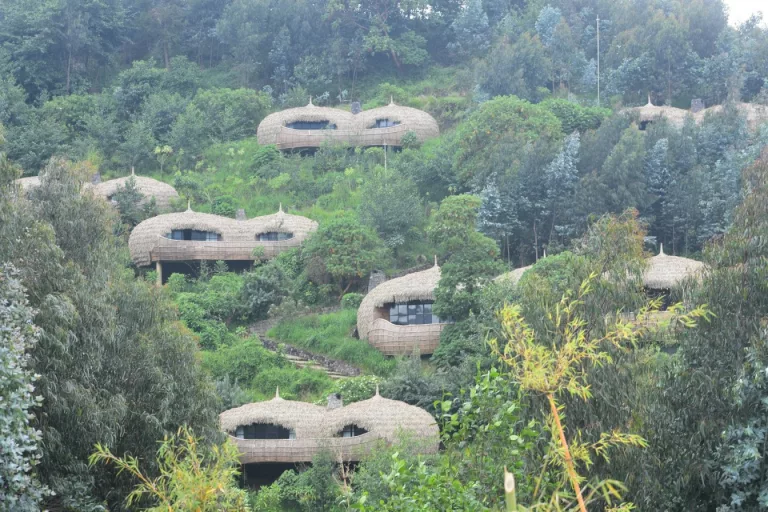
Bisate Lodge/Emmy Shingiro/Unsplash
Perched on the edge of Volcanoes National Park, Bisate Lodge is as famous for its sustainability as it is for its gorilla trekking. Each guest’s stay contributes to an ambitious reforestation programme that has already seen thousands of trees planted to expand mountain gorilla habitat. The lodge operates plastic-free, sources much of its food locally, and integrates Rwandan culture into its design and experiences. For eco-travellers, it’s a chance to connect deeply with both nature and community.
Beyond the buzzwords
Solar panels and refillable bottles are only the beginning. What unites these lodges is a deeper commitment: restoring ecosystems, empowering communities, and proving that tourism can be regenerative rather than extractive. The message speaks for itself — greener safaris aren’t just possible, they are already here.
Follow us on social media for more travel news, inspiration, and guides. You can also tag us to be featured.
TikTok | Instagram | Facebook | Twitter
ALSO READ: Forgotten forts of South Africa: 7 echoes of a hidden past