




Lomé is a city where the Atlantic is never far away. Fishing boats arrive along the coast, markets fill the streets with colour and the smell of grilled fish drifts through the city. At the same time, contemporary art spaces, cafés and cultural centres are giving Togo’s capital a growing creative energy.
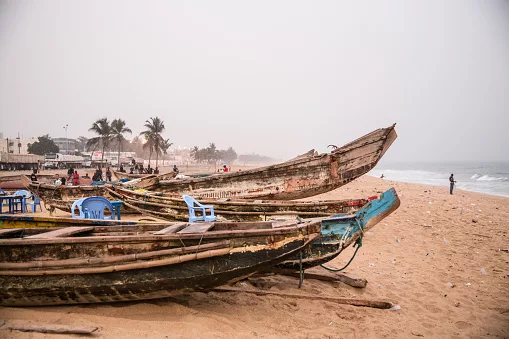
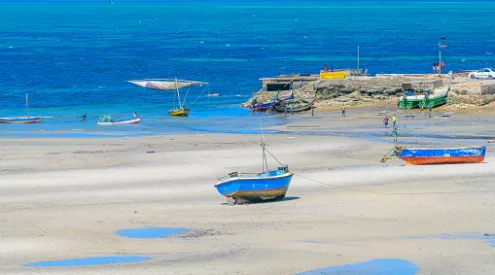
Traditional fishing boats at dusk on the beach in Lomé, Togo/By: Tim White/Getty Images
For a city break, Lomé offers a little bit of everything. Spend a morning among the traders of the Grand Marché, explore a former colonial palace turned cultural centre, learn about traditional Vodun practices and end the day beside the ocean.
Here’s how to spend 48 hours getting to know Togo’s coastal capital.
Day one: Markets, food and contemporary culture
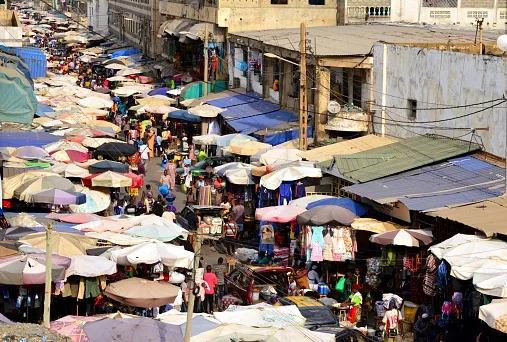
Lomé, Togo: the city’s main market, the Grand Marché, spreads into the nearby streets, here the merchants on Rue Tokmaké, by the Sacred Heart Cathedral/By: mtcurado/
iStock Unreleased
Start at the Grand Marché
Begin in the heart of the city at Lomé’s Grand Marché, also known as the Grand Market of Adawlato. It is one of the city’s busiest trading areas and is particularly famous for its colourful wax-print fabrics.
The market is closely associated with the Nana Benz, the influential Togolese women who built successful businesses trading textiles across West Africa. Their story is part of Lomé’s commercial history and gives the market a character that goes beyond souvenir shopping.
Allow yourself time to wander through the different sections. You’ll find fabrics, clothing, food, spices and everyday goods, with traders and shoppers going about their daily business.
The market is open throughout the week, although activity drops on Sundays.
Stop for a local lunch
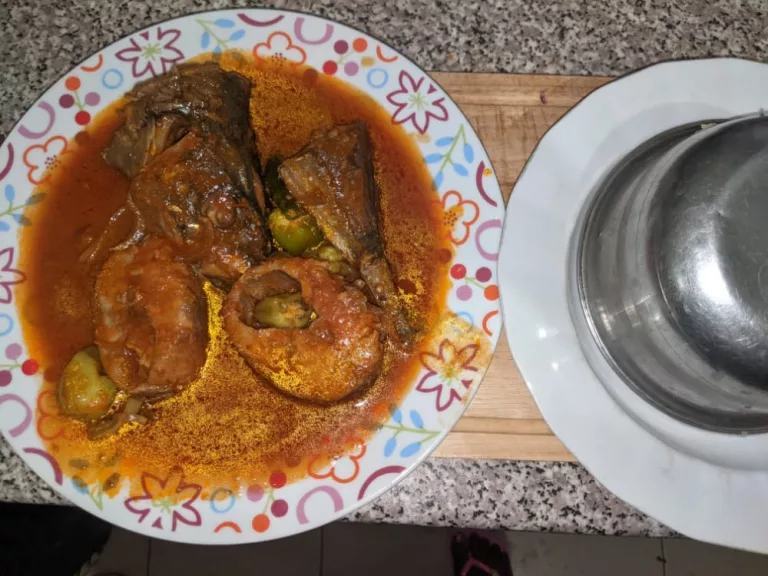
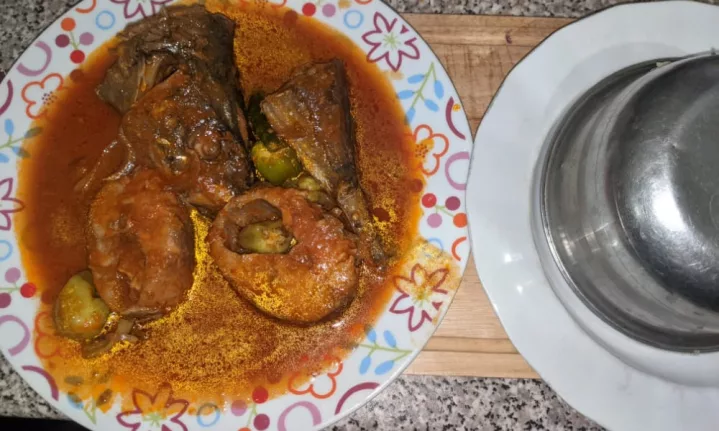
Togolese food/Akouete/Wikimedia Commons
After the market, take a break and try some Togolese food.
Look out for dishes such as pâte, fufu, grilled fish and chicken served with spicy sauces and vegetables. Street food and small local restaurants are a good way to experience the city without making every meal a formal affair.
Being on the coast, seafood is an obvious choice. Grilled fish is particularly fitting, with Lomé’s fishing community still playing an important role in the city’s everyday life.
Spend the afternoon at Palais de Lomé
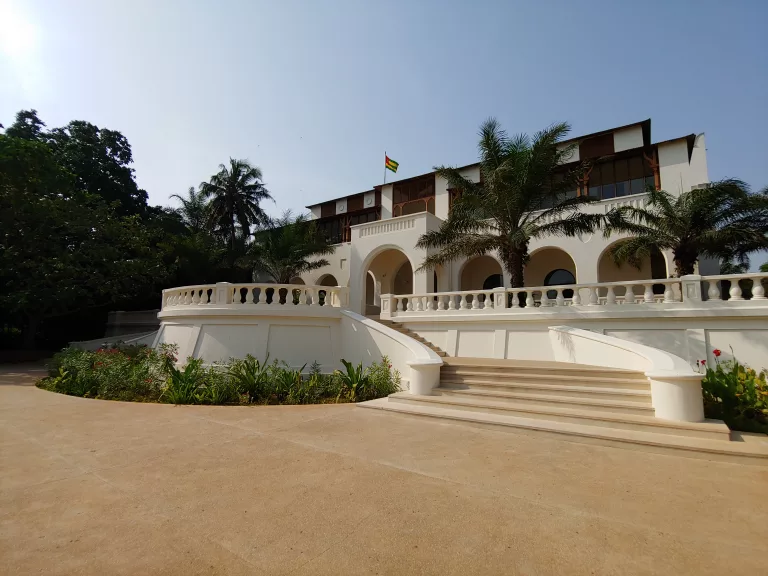
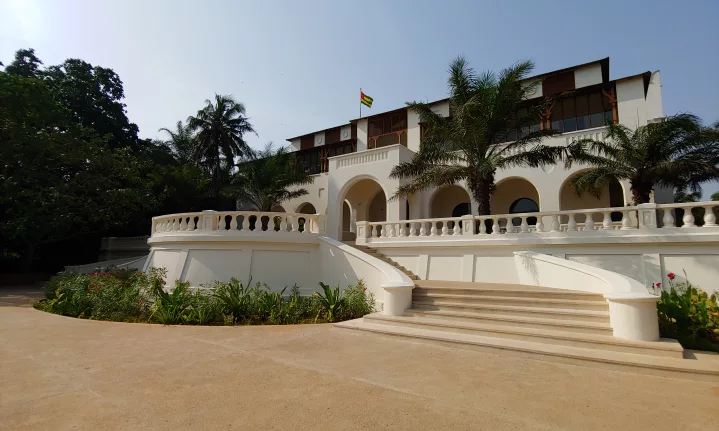
Palais de Lomé/Nero2022/Wikimedia Commons
Make your way to Palais de Lomé, one of the city’s most interesting cultural spaces.
Built in 1905 for the German governors of Togoland, the building later served as the seat of the presidency before becoming a residence for official guests. After years of abandonment, it was renovated and reopened in 2019 as an art and cultural centre.
Today, the palace offers a very different experience from the city’s busy markets. Explore its exhibitions, architecture and gardens, and take time to appreciate its position close to the sea.
It is also a good example of how Lomé is reworking parts of its past into spaces for contemporary culture.
Walk along the coast
As the afternoon cools, head towards the waterfront.
Lomé is unusual among West African capitals in having the beach so closely integrated into the city. The coastline is used for recreation, but it is also a working environment, with traditional fishermen pulling in their nets and bringing catches ashore.
You don’t need a packed beach itinerary. Instead, take a walk, watch the fishermen and find somewhere along the waterfront for a drink or an early dinner.
Day two: Traditions, history and the Atlantic
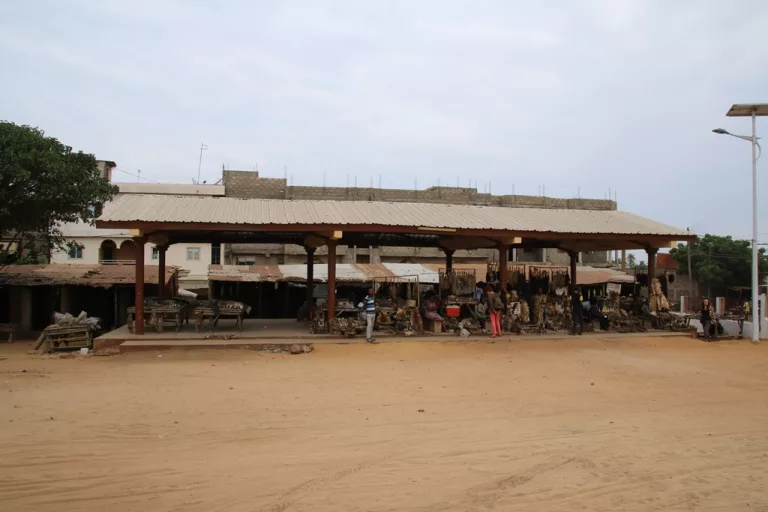
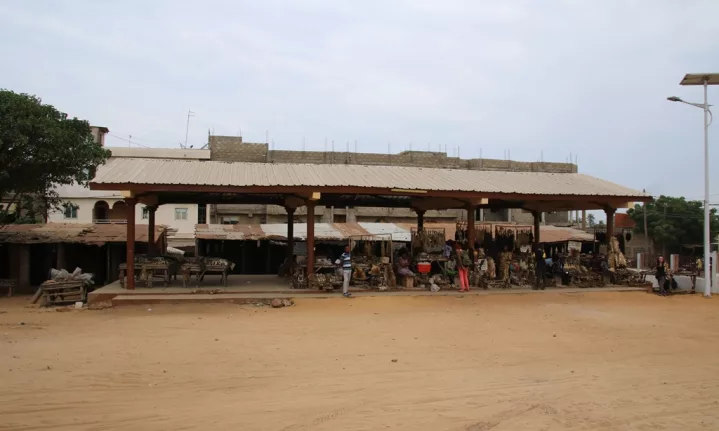
Booth at Akodessawa Fetish Market/Alexander Sarlay/Wikimedia Commons
Begin at Akodessewa Fetish Market
Start your second morning with one of Lomé’s most distinctive cultural experiences: Akodessewa Fetish Market.
The market is associated with traditional medicine and Vodun practices, with stalls selling medicinal plants, ritual objects and other materials used in traditional belief systems. It is one of the city’s best-known cultural attractions.
This is a place to visit respectfully. These traditions are living practices rather than a performance for tourists, so ask before taking photographs and consider going with someone who can explain the cultural significance of what you are seeing.
The visit also adds an important dimension to a Lomé itinerary. The city is not only about beaches and markets. Traditional beliefs remain part of everyday life.
Explore the city centre
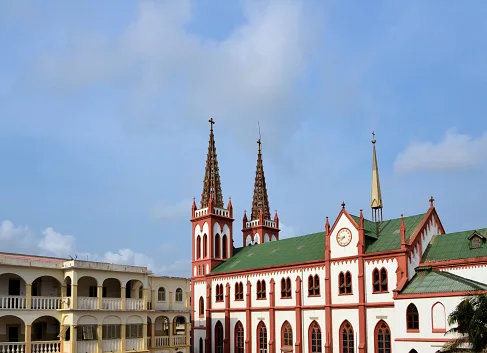
Lomé, Togo: Catholic Cathedral of the Sacred Heart and the Parish House, built by the Germans in 1901 – Gothic revival style with lattice work steeples – Cathédrale du Sacré-Cœur de Lomé / Herz-Jesu-Kathedralkirche/Getty Images
Spend the late morning walking through central Lomé.
The city has a mixture of Afro-Brazilian houses, colonial buildings, churches and newer developments. This combination gives parts of the centre an architectural character that is distinctly different from many other West African capitals.
Make time for the Independence Square and other landmarks along the way. The National Museum and Lomé Cathedral are also among the city’s established attractions.
Rather than trying to see everything, allow time to walk and observe. The streets themselves are part of the experience.
Visit the fishing port
Continue towards Lomé’s fishing port, where the city’s connection with the Atlantic becomes particularly visible.
Colourfully painted pirogues arrive with their catches, and fish sellers gather along the waterfront. The official tourism authority describes the port as a place of daily activity, with fishermen returning from the sea and women selling the catch.
It is worth remembering that this is a working port. Give fishermen and traders space, ask before photographing people and, if possible, visit with a local guide who can explain what is happening around you.
Head east for a beachside afternoon
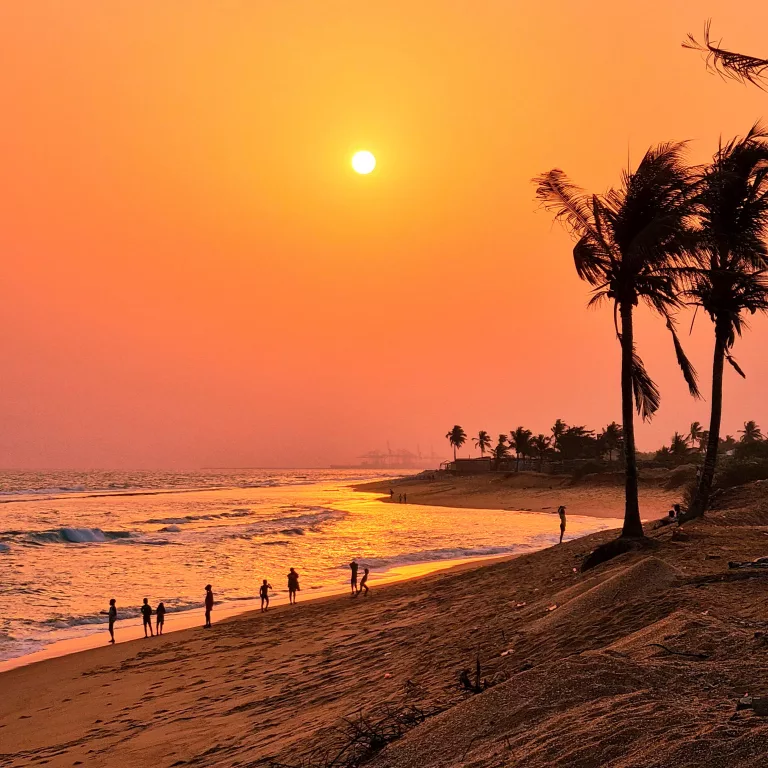
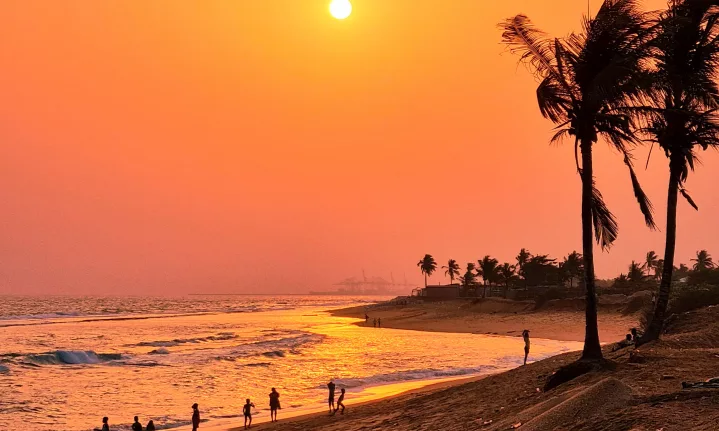
Baguida/Edison McCullen/Wikimedia Commons
If you want a quieter end to your stay, head east of the main port towards Baguida or Avépozo.
These coastal areas are known for their developed beaches, palm trees and informal places to eat and relax. Togo’s tourism authority specifically recommends the beaches east of Lomé for a more relaxed seaside experience.
Order something grilled, settle beneath a palm tree and let the afternoon unfold slowly.
You won’t need much of an itinerary here. The point is to enjoy the part of Lomé that is easy to overlook when rushing between attractions.
A different side of West Africa
Lomé may not have the instant recognition of Accra or Dakar, but that is part of its appeal.
In two days, you can move from the textile stalls of the Grand Marché to contemporary art, from traditional Vodun practices to the fishing port and from busy city streets to the Atlantic coast.
It is a city best experienced at street level, where markets, food, traditions and the ocean are all part of the same picture.
For travellers looking for a less obvious West African city break, Lomé makes a compelling introduction to Togo.
Follow us on social media for more travel news, inspiration, and guides. You can also tag us to be featured.
Instagram | Facebook | Twitter | Spotify
ALSO READ: