

The world’s changing climate is becoming harder to ignore, and its effects are reaching far beyond the thermometer.
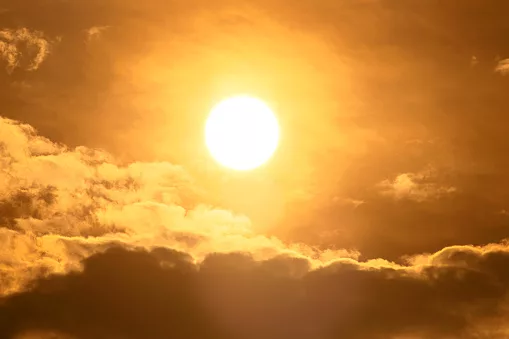
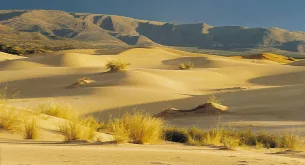
Image used for illustrative purposes/By: chuchart duangdaw/Getty Images
From coastal erosion and shrinking freshwater reserves to unpredictable growing seasons and increasingly severe weather, rising global temperatures are placing pressure on the natural environments and communities that make destinations worth visiting.
A new update from the World Meteorological Organization (WMO) has brought these concerns into focus, warning that the Earth is retaining more energy than it releases into space.
Published ahead of the COP31 climate summit in Antalya, Türkiye, the State of the Global Climate Update 2026 reports that the planet’s energy imbalance has reached its highest level since records began.
The findings offer another indication of how rapidly the climate system is changing, with consequences for ecosystems, agriculture, water resources and coastal communities.
For a country such as South Africa, where tourism depends heavily on natural landscapes, wildlife, beaches and outdoor experiences, these developments are particularly relevant.
ALSO READ:
National Geographic explores the world’s oceans in new conservation documentary
The oceans are absorbing most of the planet’s excess heat
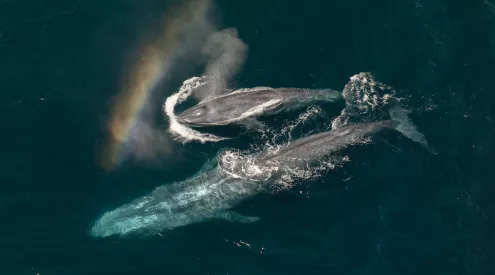
The world’s oceans are doing much of the work when it comes to absorbing the additional heat trapped within the climate system.
According to the WMO, they take up approximately 90% of this excess energy. While this helps slow the rate at which atmospheric temperatures rise, it comes at a considerable cost to marine environments.
Warmer ocean temperatures can affect marine ecosystems, disrupt species distribution and place additional pressure on coral reefs and other sensitive habitats.
The WMO also reports that global average surface temperatures between January and September 2026 were approximately 1.47°C above pre-industrial levels.
With 2026 expected to rank among the four warmest years recorded, the findings underline the growing scale of the challenge.
How climate change could reshape the destinations we love
Coastal towns face a changing shoreline
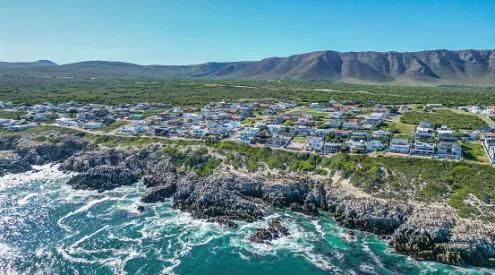
South Africa’s coastline is one of its biggest tourism attractions, drawing visitors to destinations ranging from the Western Cape’s seaside villages to the beaches of KwaZulu-Natal and the Eastern Cape.
However, rising sea levels and increasingly exposed coastlines present long-term challenges for these areas.
As ocean temperatures increase, seawater expands. Melting glaciers and ice sheets contribute additional water, pushing global sea levels higher.
The consequences include increased coastal erosion, flooding and more damaging storm surges.
For coastal towns, these changes can threaten beaches, roads, accommodation establishments and other infrastructure. Low-lying communities are particularly vulnerable.
The WMO reports that global mean sea level reached a record high in 2026, adding to concerns about the future of coastal settlements around the world.
Water security could put pressure on tourism
Reliable water supplies are essential to communities, agriculture and the tourism industry.
Hotels, restaurants, campsites and other tourism businesses all depend on access to freshwater, while many popular destinations are located in areas already vulnerable to drought.
Rising temperatures can increase evaporation, while shifting rainfall patterns make it more difficult to predict when and where water will be available.
The WMO says freshwater storage across the world’s land areas has been declining since 2014. In 2025, 42% of assessed land areas recorded below-average water storage.
For South African destinations, water security is an increasingly important consideration. Extended dry periods can affect everything from garden landscapes and swimming pools to agricultural activities and the availability of water for local communities.
Wildlife and natural habitats are under pressure
Changes in temperature and rainfall can influence where wildlife lives, when plants flower and how ecosystems function.
Extended droughts can reduce available grazing and water sources, placing additional pressure on wildlife and livestock. Meanwhile, extreme heat can affect animal behaviour, breeding patterns and access to suitable habitats.
These changes matter for conservation areas and safari destinations, where healthy ecosystems are central to the visitor experience.
Marine environments face their own challenges. Warmer oceans can contribute to coral bleaching and affect the distribution of fish and other marine species.
For destinations that depend on wildlife viewing, diving, fishing and nature-based tourism, protecting these ecosystems is becoming increasingly important.
Extreme weather could disrupt travel plans
Heatwaves, heavy rainfall, storms and droughts are among the climate-related risks receiving increasing attention.
Warmer oceans can supply additional energy and moisture to weather systems, while changes in atmospheric circulation can influence rainfall patterns.
The result is a greater challenge for communities and infrastructure, particularly in places exposed to flooding, tropical cyclones and prolonged periods of extreme heat.
For travellers, this makes checking seasonal weather conditions and official travel advisories an important part of planning.
It also highlights why tourism destinations need to invest in resilient infrastructure and effective early-warning systems.
What is El Niño and why is it important?
Another factor influencing the global climate outlook is El Niño, a naturally occurring phenomenon involving warmer-than-average sea surface temperatures in the tropical Pacific Ocean.
It can influence weather patterns around the world, affecting rainfall, temperatures and the likelihood of certain extreme weather events.
The WMO says the current El Niño has been strengthening since August 2026 and is expected to become particularly strong towards the end of the year, with effects potentially continuing into early 2027.
WMO Secretary-General Celeste Saulo explained that El Niño does not generate additional heat but releases heat from an ocean that is already exceptionally warm.
Its effects differ depending on the region. Some areas may experience increased rainfall and flooding, while others face hotter and drier conditions.
The WMO warns that the phenomenon could intensify existing climate-related risks, particularly for communities already vulnerable to extreme weather.
Why climate resilience matters for the future of travel
The latest findings are a reminder that climate change is not simply an environmental issue. It also has implications for livelihoods, local economies and the long-term sustainability of tourism destinations.
South Africa’s natural attractions, from its extensive coastline and mountain ranges to its wildlife reserves and agricultural landscapes, are closely connected to the health of the environment.
Protecting these places will require long-term planning, responsible resource management and investment in communities and infrastructure that can withstand changing climate conditions.
For travellers, it is another reason to think carefully about how and where we travel, respect local environmental pressures and support tourism businesses that take sustainability seriously.
The places we explore today will need careful protection if they are to remain accessible and thriving for generations to come.
Source: IOL, reporting on the World Meteorological Organization’s State of the Global Climate Update 2026.
Follow us on social media for more travel news, inspiration, and guides. You can also tag us to be featured.
Instagram | Facebook | Twitter | Spotify
ALSO READ:
Storm Charles brings torrential rain and powerful winds to Portugal and Spain