



Austria has recorded more than 200 tarantula sightings in just two months, with experts confirming 175 reports as the country sees an increase in encounters with the large, ground-dwelling spiders.
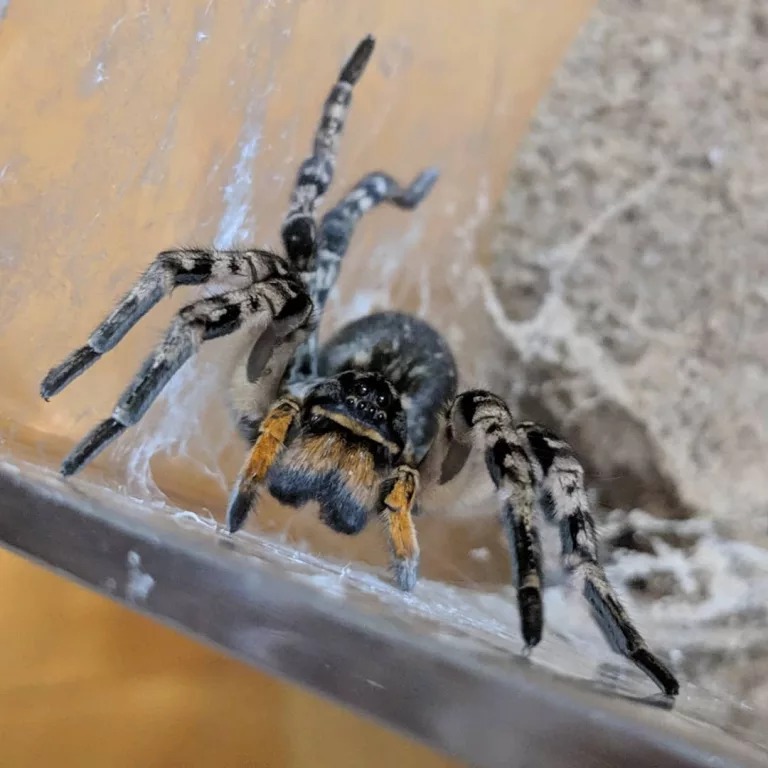
South Russian Tarantula/Dimaoleksii/Wikimedia Commons
The sightings were submitted to naturbeobachtung.at, a citizen science platform that allows members of the public to document wildlife encounters. Most were recorded in Styria, in southeastern Austria, which accounted for 66 sightings. Lower Austria followed with 49, while Burgenland recorded 43. Additional sightings were reported in Carinthia.
Why tarantulas are appearing more frequently
Autumn is an active period for these spiders as they search for sheltered places to spend the winter. While they typically take refuge in underground burrows and rock crevices, they sometimes wander into houses, flats and garages while looking for suitable hiding places.
Austria is home to two species: the South Russian tarantula and the black-bellied tarantula. Both belong to the wolf spider family and are generally shy, although they can bite if they feel threatened.
Their bites can be painful and cause redness and swelling, but are not usually dangerous to healthy people.
Unusual sightings attract researchers’ attention
Some of the recent discoveries have been particularly noteworthy for researchers.
A South Russian tarantula was recorded in Tulln, in Lower Austria, marking an unusually north-westerly sighting for the species. According to Carolina Trcka-Rojas of the Austrian Nature Conservation Association, there had previously been no recorded sightings in the surrounding region.
Another notable discovery involved the black-bellied tarantula, which was spotted in Stossau in the lower Gail valley at the end of August. It marked the westernmost recorded sighting of the species in Austria.
The two species have different histories in the country. The South Russian tarantula was first recorded around Lake Neusiedl and Vienna in the early 1920s, while the black-bellied tarantula was first documented in Styria during the 1970s.
Warmer summers could be influencing their spread
The increase in sightings is not limited to Austria. A 2025 study also documented the spread of tarantulas in Czechia, where their numbers had declined for decades.
Researchers point to warmer and drier summers as a possible contributing factor, suggesting that changing climatic conditions could be creating more favourable environments for these spiders.
For wildlife enthusiasts, the findings offer another example of how changing environmental conditions can influence the distribution of species across Europe.
Source: Euronews
Follow us on social media for more travel news, inspiration, and guides. You can also tag us to be featured.
Instagram | Facebook | Twitter | Spotify
ALSO READ:
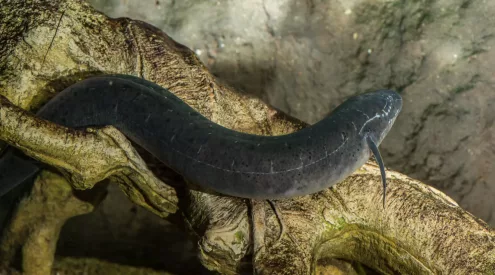
The African lungfish that can survive for a year without water