



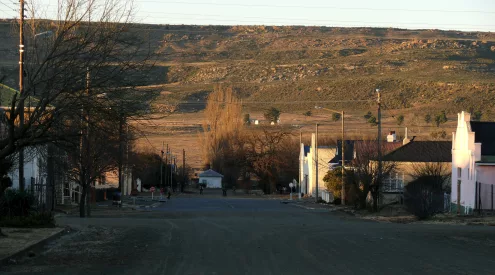

A 12-woman cycling team representing the Cape Leopard Trust is training for the Old Mutual Double Century in an effort to raise R250 000 towards leopard conservation in the Western Cape.
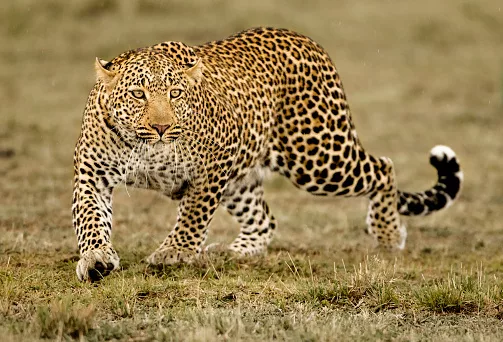
Image used for illustrative purposes/By: McDonald Wildlife Photography Inc./Getty Images
The team will take on the 200km road race on 21 November, starting in Swellendam and travelling through a mixed-use landscape that is also home to wildlife. The campaign, called Right to Roam, aims to highlight the challenges faced by leopards as they move through increasingly fragmented habitats.
According to the campaign’s GivenGain page, the fundraiser had raised R3 000 by early October, with just over two months remaining on the campaign.
Riding for leopards
The Double Century will be the first time the Cape Leopard Trust has had a dedicated cycling team representing the organisation at the event, according to Natalie Hayward, the trust’s operations director.
The team has already completed an 88km training ride through the Cape Winelands, travelling through Stellenbosch, Paarl and Franschhoek in August.
Hayward says the route offered a glimpse into the landscapes that leopards must navigate as they move between natural areas.
“The Winelands is such a unique place to ride because you travel from a densely populated area, which is Stellenbosch, which is on the fringes of the mountains [where leopards roam],” she told SMF News.
The route also brought the cyclists through areas where roads and other infrastructure intersect with wildlife corridors.
ALSO READ:
Amazonian wildlife increasingly appearing in Bangkok’s exotic pet trade
Where leopards roam in the Cape
The Cape Winelands and surrounding mountains are important areas for the Cape Leopard Trust’s research.
The organisation regularly conducts large-scale camera-trap surveys in the Boland Mountain Complex, which includes Jonkershoek Nature Reserve. These surveys help researchers monitor leopard density and population trends.
Leopard numbers in the Boland Mountain Complex are low, with fewer than two leopards recorded per 100 square kilometres, according to the Cape Leopard Trust.
The species is also listed as vulnerable on the global IUCN Red List, with populations declining globally. In the Western Cape, habitat loss, human-wildlife conflict, illegal killing and snaring are among the threats facing leopards.
Because the animals require large areas to live and move through, fragmented landscapes can make it increasingly difficult for them to travel between suitable habitats.
What the fundraiser will support
The cycling campaign aims to raise funds for conservation initiatives that help address these threats and encourage communities to coexist with leopards.
According to the campaign’s GivenGain page, R800 can help finance a wildlife patrol team or rescue response, while R8 000 can fund a veterinary callout for an injured or snared leopard or native prey species.
Helen Turnbull, chief executive officer of the Cape Leopard Trust, says protecting the species is ultimately about protecting the wider landscapes in which people and wildlife live.
“We live in an incredible place, which is one of the most relevant biodiversity hotspots in the world,” she said. “If we want to continue to enjoy it, we must do our best to protect it.”
The Right to Roam campaign is built around locally led conservation initiatives designed to reduce threats to leopards while promoting more leopard-friendly communities.
As the team prepares for the Double Century, their training rides are also drawing attention to the wildlife that shares these landscapes, from the mountains surrounding the Cape Winelands to the wider network of natural areas across the Western Cape.
Follow us on social media for more travel news, inspiration, and guides. You can also tag us to be featured.
Instagram | Facebook | Twitter | Spotify
ALSO READ:
76 snares removed during anti-poaching patrol near Phalaborwa