


A new conservation research programme will investigate how rising temperatures and changing rainfall patterns are affecting the Richtersveld’s iconic quiver trees and halfmens, while testing ways to help vulnerable species survive.

Photo: Stellenbosch University
South African conservationists are looking for new ways to protect the country’s unique biodiversity as climate change puts increasing pressure on natural habitats. Now, a Stellenbosch University researcher will lead a five-year project investigating how vulnerable species can be better protected as temperatures rise and rainfall patterns shift.
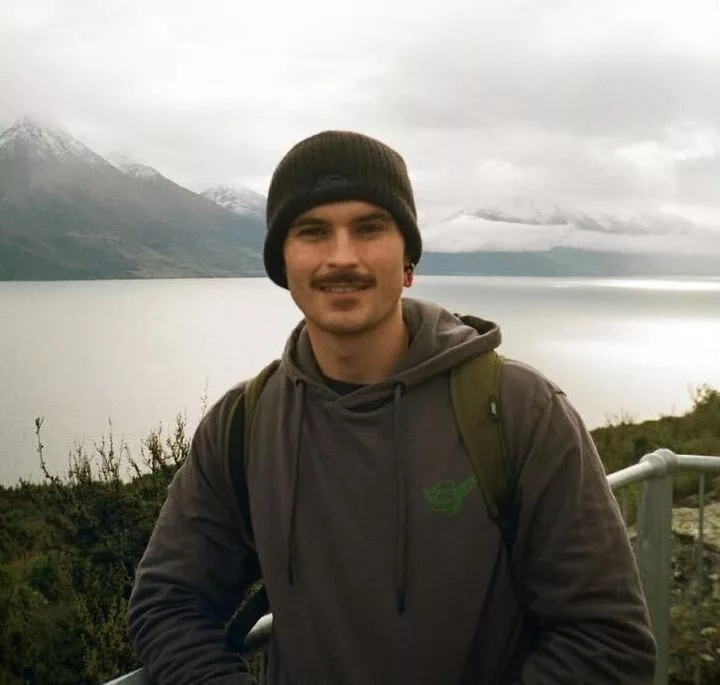
As reported by Business Day, Professor Wendy Foden has received the inaugural Oppenheimer Research Chair in Conservation in a Changing Climate Award. The climate change specialist, who also works with South African National Parks (SANParks), will lead a research programme focused on developing and testing practical conservation solutions.
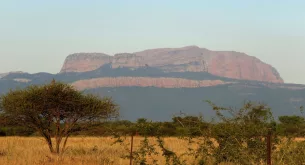
The research will pay particular attention to the Richtersveld in the Northern Cape, an arid landscape already experiencing the pressures of hotter and drier conditions. Among the species under investigation are two of the region’s most recognisable plants: the quiver tree and the halfmens.
Protecting the Richtersveld’s unique plant life
The Richtersveld is known for its distinctive desert landscape and remarkable succulent diversity. However, rising temperatures and water shortages are placing additional pressure on species adapted to these harsh conditions.
Foden’s research team will work alongside SANParks scientists and protected area managers to investigate how these plants respond to heat and water stress.
Rather than simply documenting the effects of climate change, the programme aims to establish which conservation interventions actually work. This includes assessing existing methods, adapting them where necessary and testing new approaches to improve the chances of vulnerable species surviving in changing environments.
One of the methods being investigated is assisted translocation. This involves moving plants or other species to different areas where environmental conditions may be more suitable for their long-term survival.
However, relocating species is not without risks. The research will examine the effectiveness and potential limitations of these interventions before recommending their wider use.
Research that could influence conservation beyond the Northern Cape
While the Richtersveld will be an important focus, the findings could contribute to conservation efforts elsewhere in South Africa and internationally.
The programme will also collaborate with the University of Cambridge’s Conservation Evidence group to bring together existing research on conservation interventions. This will help conservation practitioners identify approaches that have demonstrated positive results, as well as areas where further research is needed.
The project forms part of a broader effort to bridge the gap between understanding how climate change affects biodiversity and knowing what can be done about it.
Foden is also an extraordinary professor at Stellenbosch University’s School for Climate Studies and chairs the International Union for Conservation of Nature’s (IUCN) Species Survival Commission Climate Change Specialist Group.
Her international conservation work will help connect the research with practitioners and policymakers working on similar challenges around the world.
Building the next generation of conservation research
Beyond its fieldwork, the five-year programme will support international collaboration and the training of emerging researchers. It will include postgraduate supervision, knowledge sharing and opportunities for conservation practitioners to engage with the research.
The award was established by the Benjamin Raymond Oppenheimer Trust through Oppenheimer Generations Research and Conservation, which supports African researchers working on important conservation and research challenges.
For South Africa, the project represents an opportunity to develop more effective ways of protecting its biodiversity as environmental conditions continue to change.
With the Richtersveld serving as an important testing ground, the research could help conservationists make better-informed decisions about protecting some of the country’s most distinctive plant species for generations to come.
ALSO SEE: Satellite research reveals where elephants affect Kruger trees most
Satellite research reveals where elephants affect Kruger trees most