

At Blouberg Nature Reserve, it pays to look up. The cliffs support one of the world’s largest Cape vulture breeding colonies, giving visitors a compelling reason to head into northern Limpopo with binoculars packed.
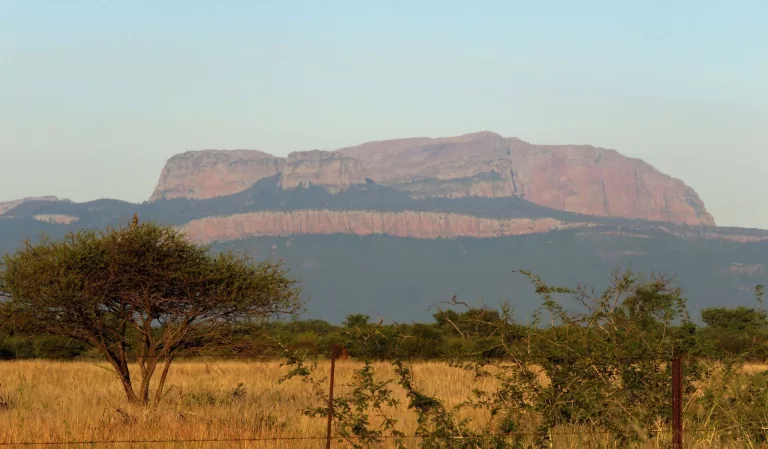
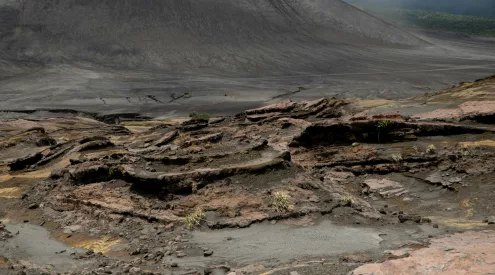
View on Blouberg in northern Limpopo, South-Africa / Leonie Kellermann / Wikimedia Commons
In January 2026, the Hawk Conservancy Trust reported approximately 1,200 Cape vulture nests in the Blouberg landscape. That makes this a significant place to see the birds, and to understand the work involved in keeping them here.
A reserve shaped by it’s mountain
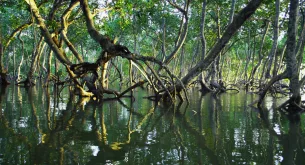
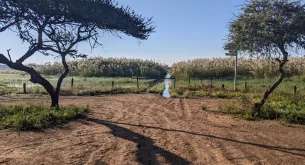
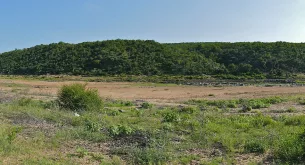
About 120km northwest of Polokwane, Blouberg lies within the Vhembe Biosphere Reserve. It’s mountain and surrounding bushveld provide the setting for a visit centred on birdlife, with tamboti woodland, fig forest, baobabs and the Brak River floodplain adding variety to the landscape.
The cliffs are particularly important to Cape vultures, which breed in colonies on rocky ledges. Both parents incubate their usually single egg, and the chick spends several months in the nest before fledging. A breeding colony represents a considerable investment in the next generation.
Where to see the vultures
Limpopo Wildlife Resorts lists viewing opportunities below the breeding colony and at the reserve’s vulture restaurant. It also advertises a guided Vulture Trail to the plateau above the colony, where visitors can watch vultures in flight. Arrange the trail ahead of your trip and ask about current access, the terrain and fitness requirements.
The vulture restaurant and hide offer another way to spend time watching these birds. BirdLife South Africa’s GoBirding guide recommends April to September for this part of the reserve and lists Cape, White-backed, Lappet-faced, Hooded and White-headed vultures among the species seen there. Treat that as a sense of what is possible, rather than a checklist every visit will deliver.
Bring binoculars, give yourself time and follow staff guidance at viewing areas. If the hide is a priority, ask about it’s current arrangements when booking.
Leave time for the rest of the reserve
The vultures may draw you here, but they are only part of Blouberg’s birdlife. GoBirding records more than 270 species across the reserve’s varied habitats. African Hawk-eagle, Bateleur and African Harrier-hawk are among the raptors regularly sighted, while Woodland Kingfishers add to the summer birding.
There is good reason to leave space in the itinerary beyond the colony. Exploring the woodland and forest habitats gives the visit a broader focus, particularly if you are travelling with someone who is less interested in spending hours watching a cliff face.
The work behind the colony
Seeing so many vultures together can make their future seem secure. BirdLife South Africa’s 2025 regional assessment lists the Cape vulture as Vulnerable, with poisoning, power infrastructure and killing for belief-based use among the threats it faces.
At Blouberg, conservation also involves helping young birds that become grounded. The Hawk Conservancy Trust is supporting the reserve’s rescue and rehabilitation initiative, alongside education efforts that encourage local people to protect vultures and bring grounded birds to the facility.
That work adds context to a visit. The colony’s size is impressive, but the survival of individual birds still matters.
Planning your stay
Limpopo Wildlife Resorts lists self-catering chalets at Mashatu, Tamboti Tented Camp, Molope Bush Camping Site and Modumele Wilderness Camping Site. Confirm availability, facilities, entrance fees and activity arrangements directly before travelling.
Blouberg deserves time on a Limpopo itinerary. Plan around the vultures, then leave room for the woodland birds and the mountain setting. The reward is a visit that brings you closer to a remarkable breeding colony, with a clearer understanding of what it takes to protect it.
Follow us on social media for more travel news, inspiration, and guides. You can also tag us to be featured.
Instagram | Facebook | Twitter | Spotify
ALSO READ:
A warming planet is changing the world around us: What travellers should know