







Travellers in Spain faced widespread rail cancellations on Tuesday, 10 November, as train drivers walked out over safety concerns following two crashes that killed 115 people this year.
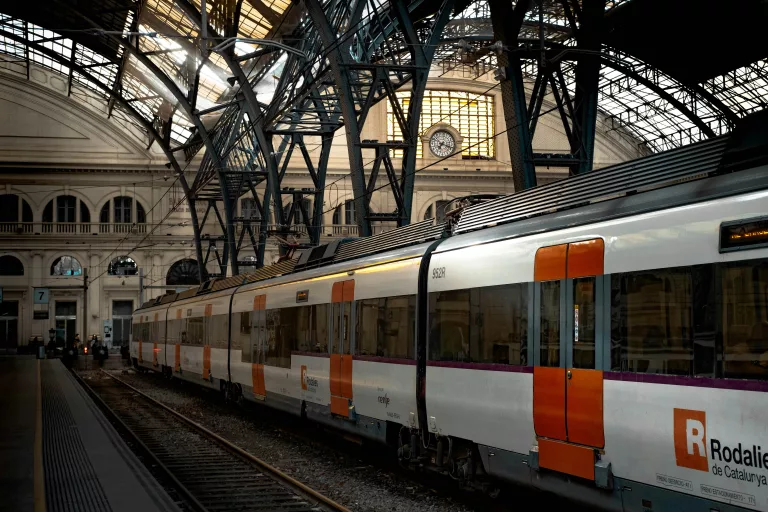
Pere Jurado / Unsplash / Illustrative purposes only
According to Reuters, Renfe reported cancellations affecting around 40% of long- and medium-distance services, 90% of Madrid’s commuter trains and half of Barcelona’s local services. Both crashes occurred on the Madrid-Seville high-speed line.
Drivers push for safety commitments
The SEMAF union is demanding that previously agreed safety commitments be put into practice and negotiations resume.
According to information published by the Catalan government, the union says working groups dealing with safety regulations, emergency protocols and operating procedures have been suspended since April. SEMAF maintains that agreements reached in February with the transport ministry, Renfe and infrastructure manager Adif have not led to progress.
More disruption expected this week
Renfe has confirmed that the drivers’ strike covers 10 and 12 November, affecting staff across the group.
For those dates, Spain’s transport ministry has set minimum service levels averaging 65% for medium-distance trains and 72% for high-speed and long-distance services. Separate arrangements apply to commuter networks.
In Catalonia, minimum services for 10 November were set at 66% during peak hours and 33% outside those periods. These are the required service levels, rather than a guarantee that a particular departure will run.
For travellers with rail journeys booked this week, the practical next step is to check their specific train with the operator before leaving for the station. Allow extra time for connections and keep an alternative route in mind, particularly if a cancelled train could mean missing a flight or an onward journey.
Source (Sowetan)
Follow us on social media for more travel news, inspiration, and guides. You can also tag us to be featured.
Instagram | Facebook | Twitter | Spotify
ALSO READ: