





South Africa is famous for its Big Five, but its coastline hides an entirely different kind of safari. From migrating whales along rugged southern cliffs to pods of dolphins racing in the surf and penguin colonies tucked between tidal pools, the country’s quieter shores offer wildlife encounters that rival any game drive.
Below is a complete guide to South Africa’s most rewarding, lesser-known coastal safari regions, including Algoa Bay, Cape Recife and De Hoop, with added ideas for cultural experiences, birdlife hotspots and year-round nature encounters.
Algoa Bay is one of South Africa’s richest marine safari destinations

Cape fur seals at Geyser Island/Martin Clark/Unsplash
Algoa Bay’s waters form part of the marine extension of Addo Elephant National Park. This creates a unique safari pairing where travellers can spot elephants inland and then head out to sea the next morning for dolphins, penguins and seasonal whales. Local operators offer guided marine safaris with knowledgeable conservation-focused skippers.
What wildlife can you see in Algoa Bay
- Southern right whales and humpback whales are in season
- Bryde’s whales and occasional minke whales
- Bottlenose, common and humpback dolphins
- Cape fur seals
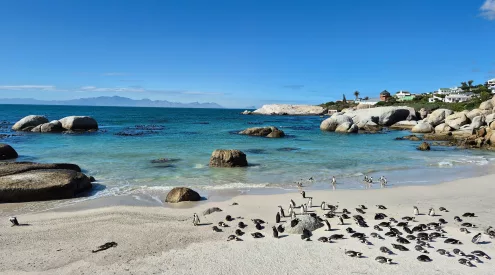
- African penguins around St Croix Island
- Cape gannets, cormorants and other seabirds around Bird Island
Why this area is special
St Croix Island has long been known for being one of the world’s most significant African penguin breeding sites. Although populations have declined, conservationists and seabird rehabilitation groups like SANCCOB continue vital work in Cape Recife to protect remaining colonies and educate visitors. This gives the region a strong, purpose-driven travel appeal.
Add land-based experiences at Cape Recife
Travellers who prefer to stay on land can still enjoy a coastal safari on foot. Cape Recife Nature Reserve offers quiet beaches, a lighthouse walking trail and easy access to SANCCOB’s seabird centre for tours, encounters and responsible wildlife education.
De Hoop Nature Reserve is South Africa’s best land-based whale-watching destination

Here, towering dunes and white limestone cliffs form natural viewing platforms over the Indian Ocean. Between June and November, southern right whales gather in large numbers, often close to shore. De Hoop is one of the few places in the world where you can watch whales without needing a boat.
A coastal safari for hikers, photographers and families
- Walk along the Whale Trail and spot mothers and calves resting in protected bays
- Explore tidal pools filled with vibrant marine life
- Combine fynbos walks with birdwatching in important coastal wetlands
- Enjoy quiet, uncrowded beaches ideal for families who want slower, nature-focused days
A year-round experience
Outside whale season, De Hoop offers dunes, fynbos, rare seabirds and dramatic coastal scenery. This makes the reserve ideal for travellers looking beyond big marine moments and wanting a more balanced escape that mixes scenery, plants, geology and wildlife.
Cape Recife is a coastal safari with heritage and conservation stories

Cape Recife, the western end of Algoa Bay/Rainer Halama/Wikimedia Commons
This windswept coastline near Gqeberha offers a quieter, more contemplative safari. You can walk past a historic lighthouse, explore wild beaches dotted with rockpools and discover the work of seabird rescue teams at SANCCOB. It is an ideal stop for travellers who want something meaningful and community-oriented.
What sets Cape Recife apart
- Rich tidal zones for intertidal life spotting
- Coastal birds and smaller penguin colonies
- A sense of wilderness close to a major city
- Strong links between tourism and conservation, allowing visitors to contribute directly to wildlife protection
West Coast and Walker Bay offer coastal safaris with floral and birdlife surprises

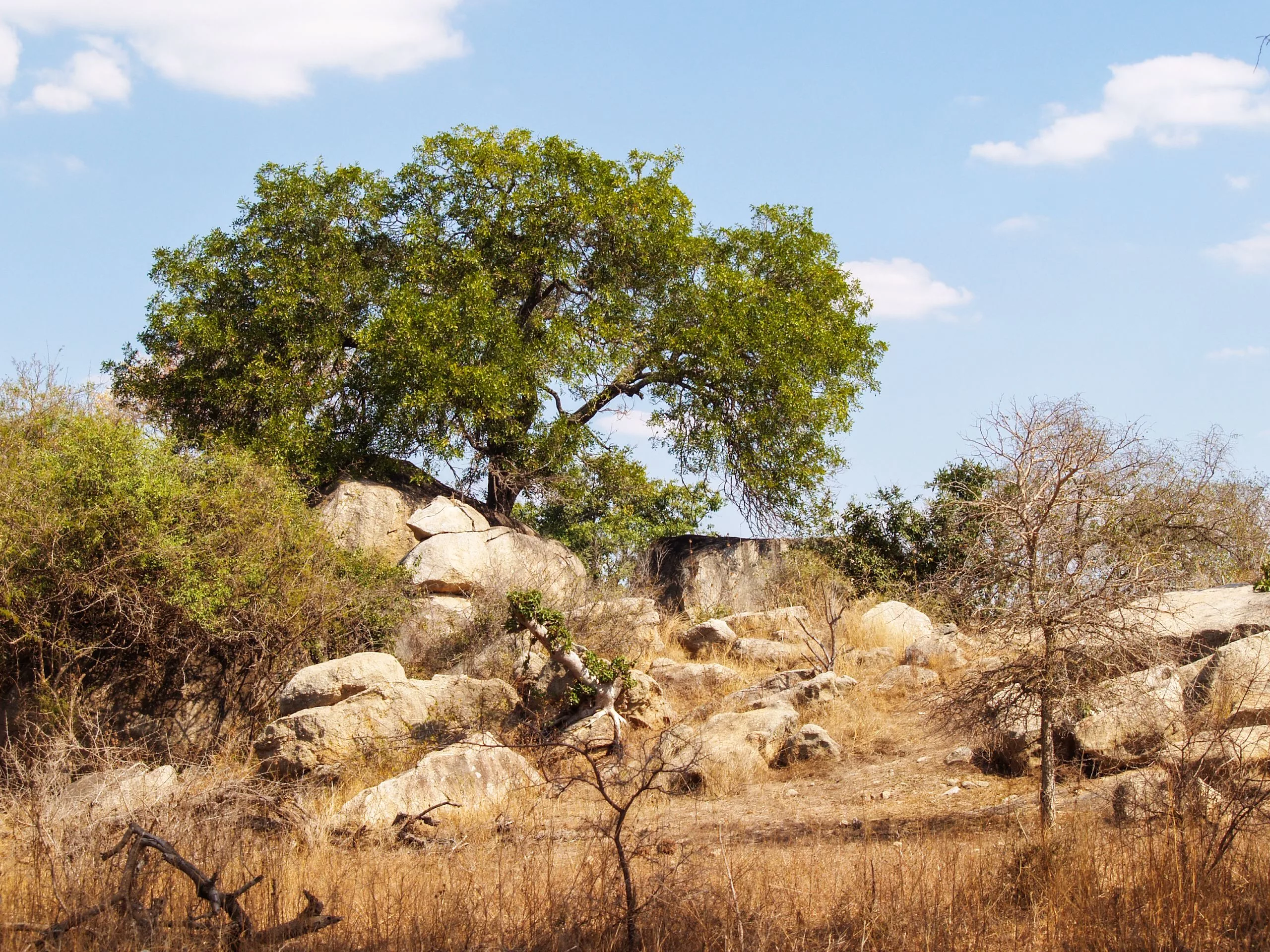
Tsaarsbank, West Coast National Park/dconvertini/Wikimedia Commons
If you want variety beyond dolphins and whales, the West Coast National Park and the broader Walker Bay coastline broaden the definition of a coastal safari.
West Coast National Park
This region blends wetlands, dunes, lagoons and fynbos. Birders will find flamingos, curlew sandpipers, peregrines and a variety of seabirds. During spring, the Postberg section transforms into wildflower displays that create a unique combination of floral and coastal wildlife viewing.
Walker Bay and Gansbaai region
These shores offer great land-based viewpoints for whales, seabirds and occasional penguin sightings, along with local fishing heritage experiences.
Add a cultural element to your coastal safari
Safari travel along the coast often intersects with fishing communities, heritage sites and coastal traditions. This allows travellers to deepen their experience beyond wildlife.
Ideas to include
- Visit traditional fishing villages and local seafood markets
- Explore small museums, heritage centres and lighthouses
- Join guided community walks focused on ocean stewardship and marine protected areas
Explore South Africa’s hidden Marine Big Seven
For travellers seeking something beyond well-known species, highlight lesser-known marine encounters.
What to look for
- Rare dolphins like the Indian Ocean humpback dolphin
- Coastal sharks are seen occasionally from cliffs or estuary mouths
- Migratory seabirds are tied to ocean currents
- Intertidal ecosystems are filled with unusual starfish, anemones and molluscs
This approach appeals to people who enjoy deeper biodiversity stories.
Follow us on social media for more travel news, inspiration, and guides. You can also tag us to be featured.
TikTok | Instagram | Facebook | Twitter
ALSO READ: Africa’s “Baby Big Five” safaris for little explorers




_(52858518085).jpg)
