
South Africa is one of the few places in the world where you can enjoy an unforgettable safari without spending a fortune. A self-drive safari offers travellers the opportunity to spot the Big Five at a fraction of the cost of many guided safari packages.

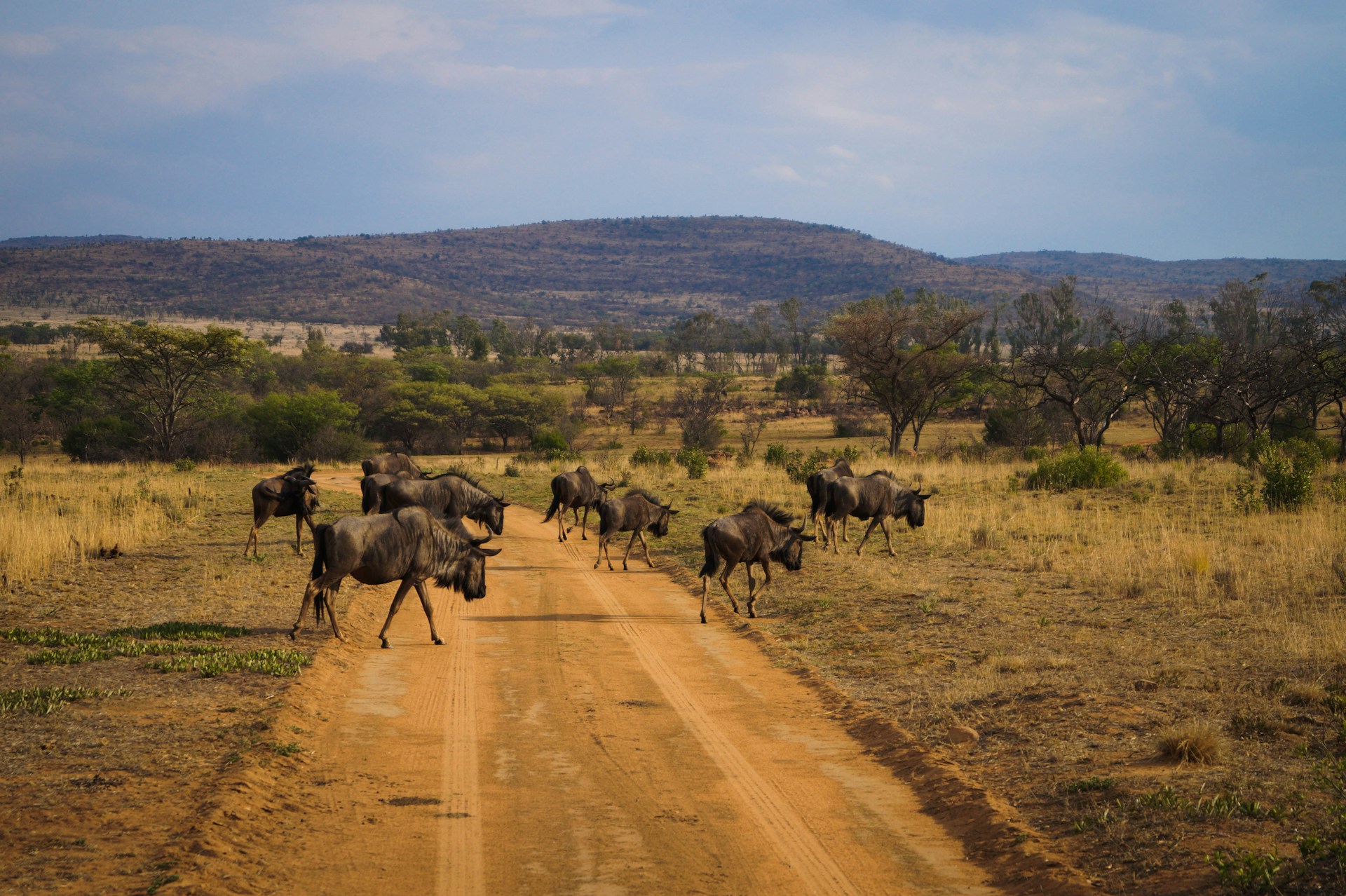
Image used for illustrative purposes/Ron John/Unsplash
However, this does not mean guided safaris have lost their appeal; experienced guides, open safari vehicles and expert wildlife knowledge can take a game drive to the next level in ways that would be difficult to replicate on your own. Ultimately, the best choice depends on your budget, travel style and what you hope to get out of the experience.
Here’s how self-drive and guided safaris compare and why the former may be the best-value trip you can take in South Africa right now.
Self-drive vs guided safari
A self-drive safari puts you in the driver’s seat. You navigate the park in your own vehicle, choose your routes, decide how long to spend at each sighting and explore at your own pace.
A guided safari, on the other hand, is led by an experienced ranger in a specialised safari vehicle. Guides use their knowledge of animal behaviour, tracks and bush signs to locate wildlife and share fascinating insights throughout the drive.
Both experiences have their strengths, but they offer very different ways of exploring the bush.
Self-drive trumps in value
If you’re travelling on a budget, it’s hard to beat a self-drive safari.
Instead of paying for luxury accommodation, guided game drives, meals and other lodge inclusions, you’ll typically only need to budget for park conservation fees, accommodation, fuel, food and your vehicle.
Families often benefit the most. National park rest camps offer a range of accommodation options, from campsites and self-catering chalets to family cottages, making it easier to tailor your trip to your budget.
For the price of one or two nights at some private safari lodges, you could spend several days exploring one of South Africa’s national parks.
Flexibility to set your own pace
One of the biggest advantages of self-driving is complete freedom.
Stop when you want
See a leopard lounging in a tree? You can stay for as long as you like. Spot a herd of elephants enjoying a waterhole? There’s no need to move on because another guest wants to look for lions.
Create your own itinerary
Leave when the gates open, take a leisurely breakfast at a picnic site or revisit a favourite route the next day. You’re not tied to anyone else’s schedule.
For many travellers, this flexibility becomes one of the most rewarding parts of the safari experience.
ALSO READ:
From bush to beach: Why the Eastern Cape is ideal for a winter escape
Wildlife sightings: Guided safaris have the edge
Professional safari guides spend years learning how to interpret the bush.
They recognise birds’ alarm calls, identify fresh tracks, understand animal behaviour, and often communicate with other guides about recent sightings. On private reserves, guides may also be permitted to drive off-road, allowing guests to get closer to elusive wildlife.
That doesn’t mean self-drivers miss out. South Africa’s national parks are designed with independent visitors in mind, and patient drivers are rewarded with incredible sightings every day.
The difference is that finding wildlife on your own often requires a little more patience, observation and luck.
Comfort and convenience
Self-drive safaris put you in charge of every aspect of the trip.
You’ll plan your routes, navigate the park, prepare meals if you’re staying in self-catering accommodation and keep track of gate opening and closing times.
Guided safaris remove most of these responsibilities. Everything is organised for you, allowing you to sit back, enjoy the scenery and focus entirely on the wildlife.
Travellers looking for a relaxed, hassle-free holiday may find the added convenience worth the extra cost.
Which experience is better for photography?
If wildlife photography is high on your priority list, guided safaris usually have the advantage.
Open safari vehicles provide elevated views and unobstructed angles, while experienced guides often know how to position vehicles for the best light and photographs.
Self-drive safaris still offer excellent photographic opportunities, especially for landscape photography or travellers who enjoy waiting patiently for animals to come to them. However, you’re limited to public roads and your own driving position.
The best parks for a self-drive safari
South Africa has some of the world’s finest self-drive safari destinations.
Kruger National Park
The country’s flagship safari destination offers hundreds of kilometres of tarred and gravel roads, a wide range of accommodation and excellent opportunities to see the Big Five.
Addo Elephant National Park
Famous for its large elephant population, Addo is compact, easy to navigate and ideal for first-time self-drive visitors.
Pilanesberg National Park
Just a short drive from Johannesburg and Pretoria, Pilanesberg combines accessibility with excellent wildlife viewing, making it perfect for weekend escapes.
Hluhluwe-iMfolozi Park
One of Africa’s oldest protected areas, this KwaZulu-Natal park is renowned for rhino conservation and scenic driving routes.
Top tips for booking a self-drive safari
Don’t try to cover too much ground
One of the most common mistakes is spending more time driving between camps than watching wildlife.
Choose an itinerary that balances scenic drives with plenty of opportunities to stop at waterholes, hides and picnic sites. Shorter driving days usually lead to better sightings because you’re not rushing from one destination to the next.
Book accommodation early
Rest camps inside popular parks often fill up months in advance, particularly during school holidays and the winter safari season.
Staying inside the park means you’ll be ready to head out as soon as the gates open, when wildlife is often most active.
Pack the essentials
A successful self-drive safari starts with good preparation.
Bring:
- Plenty of drinking water
- Snacks for long drives
- Binoculars
- A first-aid kit
- Sunscreen and insect repellent
- A spare tyre and basic tools
- A printed park map or offline GPS
- A phone charger or power bank
Know the park rules
Always stay inside your vehicle except in designated areas, stick to speed limits and never drive after gate closing times.
Following the rules keeps both visitors and wildlife safe while protecting the natural environment.
You probably don’t need a 4×4
Many first-time visitors assume a safari requires a four-wheel-drive vehicle.
In reality, most roads in Kruger, Addo, Pilanesberg and Hluhluwe-iMfolozi are suitable for standard sedans or SUVs. A 4×4 is only necessary if you’re planning to explore remote wilderness routes or specialised trails.
Consider adding one guided drive
Even if you’re planning a self-drive holiday, booking a sunrise, sunset or night drive can add a new dimension to your trip.
Professional guides often spot animals that independent visitors overlook and provide fascinating insights into the behaviour of the wildlife you’re seeing.
Self-drive safari pros and cons
Pros
- Significantly more affordable than most guided safaris
- Complete flexibility over your itinerary
- Spend as long as you like at wildlife sightings
- Great value for families
- Easy to combine with a road trip
- Wide choice of accommodation
- Offers a greater sense of adventure and independence
Cons
- No expert guide to help locate wildlife
- Finding elusive animals requires patience
- Limited to public roads
- No night driving in most national parks
- You’re responsible for planning and navigation
Guided safari pros and cons
Pros
- Expert wildlife knowledge and interpretation
- Better chance of spotting elusive predators
- Educational and immersive experience
- No driving or navigation required
- Open safari vehicles provide excellent visibility
- Access to guided night drives
- Off-road driving on many private reserves
Cons
- More expensive
- Less flexibility
- Fixed schedules
- Often shared with other guests
- Less opportunity to linger at favourite sightings
Which safari suits you best?
Budget travellers: A self-drive safari offers the best value for money and lets you stretch your budget further.
Families with children: Self-drive safaris provide greater flexibility, allowing you to take breaks, follow your own schedule and cater to younger travellers.
Road trip enthusiasts: Self-drive is the natural choice if you enjoy exploring at your own pace and discovering different parts of a park.
First-time safari visitors: A guided safari offers expert insights and increases your chances of spotting elusive wildlife.
Wildlife photographers: Guided safaris often provide better viewing angles, expert positioning and access to experienced trackers.
Honeymooners: Guided safaris deliver a more relaxed, luxurious and hassle-free experience.
Repeat safari visitors: A self-drive safari or a combination of self-drive and guided game drives offers the best of both worlds.
A guided safari offers exceptional expertise, comfort and the best chance of finding some of Africa’s most elusive wildlife. But if value for money is your priority, it’s difficult to beat a self-drive safari in South Africa.
You’ll enjoy the freedom to explore at your own pace, spend longer at memorable sightings and experience some of the country’s most iconic wildlife destinations without the premium price tag.
For many travellers, the ideal solution is to combine both experiences. Spend most of your holiday exploring independently, then book a guided sunrise or night drive to gain a deeper appreciation of the bush. You’ll enjoy the affordability and flexibility of self-driving while still benefiting from the knowledge and skills of experienced guides.
Follow us on social media for more travel news, inspiration, and guides. You can also tag us to be featured.
Instagram | Facebook | Twitter | Spotify
ALSO READ:
Flying soon? Here’s what South Africa’s new mandatory SARS traveller declaration means for you