


A family safari is one of South Africa’s most unforgettable travel experiences, but it can also feel daunting when you’re travelling with young children. Between age restrictions, malaria concerns and long game drives, many parents wonder whether a safari is worth the effort.

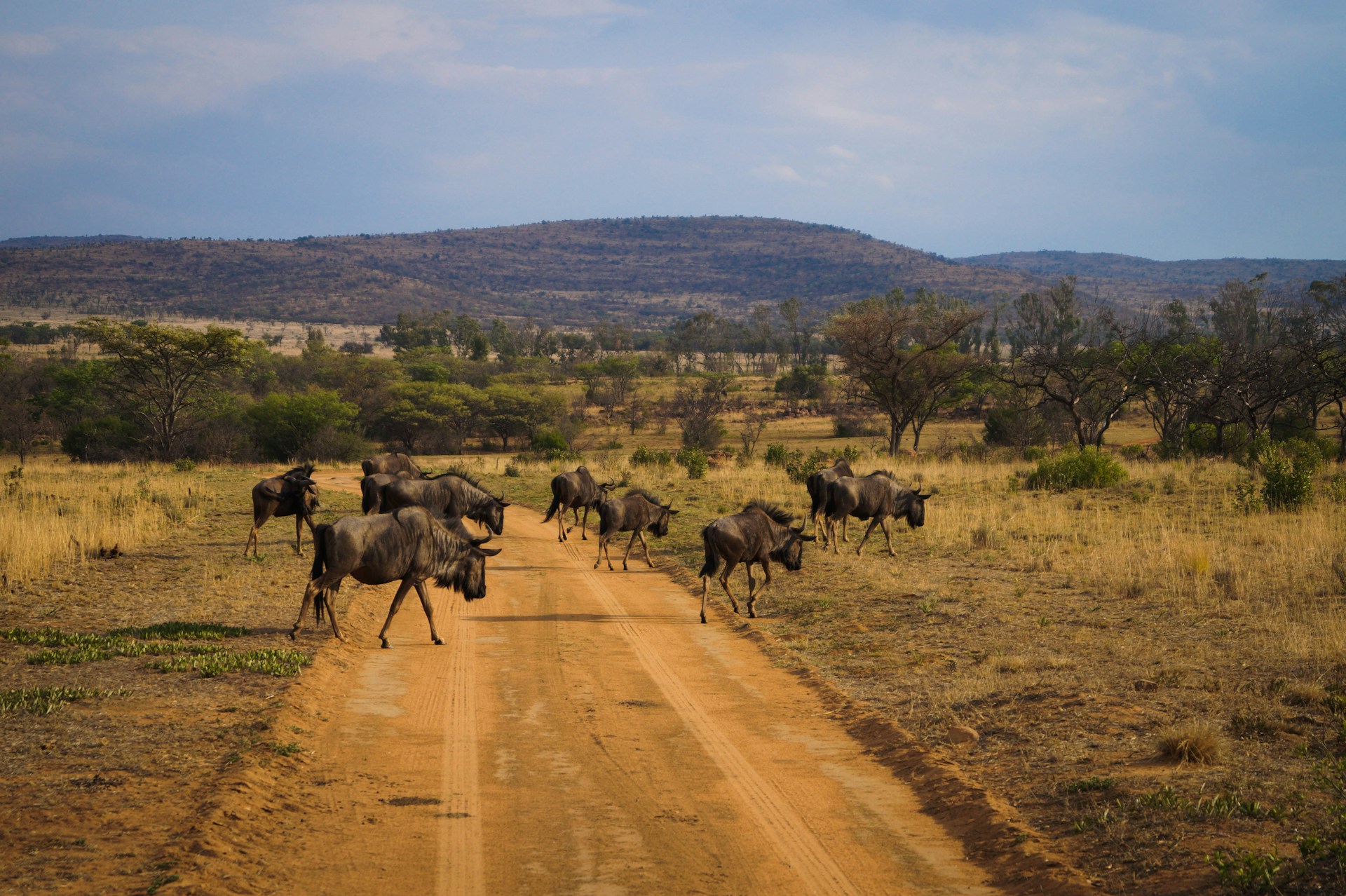
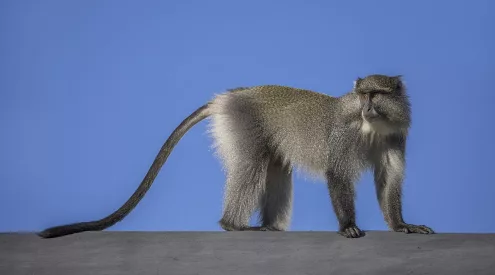
Image used for illustrative purposes/Claire Roadley/Unsplash
The simple answer is yes, it is possible to have a safari with kids with the right planning in tow. Choosing destinations and lodges that cater to families can help alleviate a potentially stressful holiday into one that is filled with a lifetime of memorable wildlife encounters.
Safari isn’t one-size-fits-all
A safari with young children looks very different from the classic dawn-to-dusk wildlife adventure often portrayed in brochures. While some lodges welcome children of all ages, others have strict minimum age requirements, particularly for guided game drives.
These policies aren’t designed to discourage families. Rather, they help protect both guests and wildlife. Young children may struggle to remain quiet during close animal encounters, and standard game drives often last three to four hours in open safari vehicles.
Before booking, check:
- Minimum age requirements for guided game drives
- Whether private vehicles are available for families
- Accommodation options for larger families
- Child-friendly activities beyond game drives
- Babysitting services, if available
Doing your homework beforehand can help avoid disappointment upon arrival.
Choose a malaria-free reserve if travelling with young children
For many parents, malaria risk is one of the biggest deciding factors when planning a safari.
Fortunately, South Africa has several exceptional malaria-free game reserves where families can enjoy incredible wildlife experiences without the added concern of malaria prophylaxis.
Some of the country’s best malaria-free safari destinations include:
- Madikwe Game Reserve
- Pilanesberg National Park
- Addo Elephant National Park
- Shamwari Private Game Reserve
- Gondwana Game Reserve
- Amakhala Game Reserve
- Lalibela Wildlife Reserve
These reserves offer excellent opportunities to spot iconic African wildlife while giving parents extra peace of mind.
Self-drive safaris can be the ideal option
Not every family needs to book an expensive luxury safari to enjoy wildlife.
For parents travelling with babies or toddlers, a self-drive safari often provides far more flexibility than scheduled guided drives. You decide when to leave camp, where to stop and when it’s time for a snack or nap.
If your toddler becomes restless after 45 minutes, you can simply head back to camp without disrupting anyone else’s experience.
Self-drive parks such as Addo Elephant National Park and Pilanesberg National Park are particularly well-suited to families, allowing visitors to explore at their own pace while still offering excellent wildlife viewing.
Shorter game drives are often better
Many first-time safari-goers imagine spending hours tracking lions or elephants across the bush. Young children, however, usually have different priorities.
Rather than choosing lodges that only offer lengthy morning and afternoon drives, look for properties that provide:
- Shortened family-friendly drives
- Flexible departure times
- Private safari vehicles
- Rangers who are experienced with hosting children
Some lodges will even tailor the drive around younger guests, focusing on animal tracks, birds, insects and smaller creatures that naturally capture children’s curiosity.
ALSO READ:
Winter safari guide: 10 animals easier to spot in the dry season
Family-friendly lodges offer much more than wildlife
The best family safaris recognise that children don’t need to spend every waking hour in a game vehicle.
Many family-focused lodges now offer activities designed specifically for younger guests, including:
- Junior ranger programmes
- Bush treasure hunts
- Animal tracking lessons
- Arts and crafts
- Guided nature walks (where appropriate)
- Swimming pools
- Outdoor play areas
- Kids’ clubs
These experiences help children connect with nature in ways that are interactive, educational and age-appropriate.
Manage your expectations
One of the biggest secrets to enjoying a safari with children is letting go of the idea of a “perfect” wildlife experience.
Your toddler might become fascinated by dung beetles instead of elephants. They could fall asleep moments before a lion appears or ask for snacks just as the guide spots a leopard in the distance.
That’s all part of travelling with young children.
Rather than measuring success by how many members of the Big Five you tick off, embrace the slower pace. A family safari is often about sharing moments in nature, whether that’s watching giraffes browse nearby or listening to birds from your chalet deck.
Pack for comfort, not just wildlife
Packing thoughtfully can make a significant difference during game drives.
Consider bringing:
- Reusable water bottles
- Plenty of snacks
- Hats and sunscreen
- Warm jackets for early mornings
- Blankets for chilly drives
- Wet wipes
- Binoculars suitable for children
- A favourite comfort toy
- A camera for older children
Being prepared helps everyone stay comfortable, especially during South Africa’s cooler winter mornings.
Consider your child’s age
There is no universal “best age” for a safari, but different stages suit different experiences.
Babies generally benefit most from self-drive safaris where routines can be maintained. Toddlers often enjoy shorter wildlife outings combined with swimming pools and outdoor play. Children aged five and older usually begin engaging more actively with guided drives, while older children can appreciate animal behaviour, conservation and tracking.
Parents know their children best, so choose an experience that matches their attention span and interests rather than their age alone.
A safari through a child’s eyes is different
Children may not remember every animal they see, especially if they’re very young. But they’ll remember the excitement of sleeping surrounded by nature, roasting marshmallows around the fire, hearing distant lion calls after dark and spotting zebra from the car window.
Travelling with children also encourages adults to slow down. Instead of racing to find the Big Five, families often discover that the most meaningful moments come from watching a troop of baboons, following beetle tracks across the sand, or simply enjoying uninterrupted time together outdoors.
With realistic expectations, thoughtful planning and the right destination, a safari can become one of your family’s most rewarding adventures—no matter how small your explorers are.
Follow us on social media for more travel news, inspiration, and guides. You can also tag us to be featured.
Instagram | Facebook | Twitter | Spotify
ALSO READ:
5 positive wildlife stories giving conservation hope this week