

South Africa’s estuaries are among the country’s most rewarding natural destinations. Formed where rivers meet the sea, these unique ecosystems are rich in wildlife and offer plenty of opportunities for kayaking, birdwatching, fishing and boat cruises.
From the iconic Knysna Lagoon along the Garden Route to the wetlands of KwaZulu-Natal and the river mouths of the Eastern Cape, South Africa is home to more than 290 estuaries. Each offers its own blend of scenic beauty, biodiversity and outdoor adventure, making them well worth exploring.
Whether you’re looking for a peaceful paddle, hoping to spot hippos and flamingos, or planning your next waterside getaway, these are some of South Africa’s most beautiful estuaries to explore.
Knysna Lagoon, Western Cape
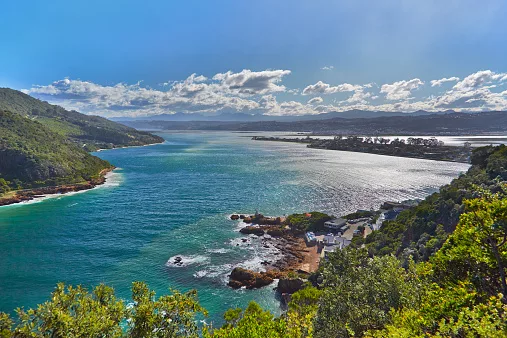
Knysna inlet opens out into the Knysna Lagoon/By: Peter Unger Stone/Getty Images
South Africa’s iconic estuary
Perhaps the country’s best-known estuary, Knysna Lagoon is where the Knysna River meets the Indian Ocean through the dramatic sandstone cliffs known as the Knysna Heads. Sheltered waters, indigenous forests and charming waterfronts make it one of the Garden Route’s signature attractions.
Kayaking is one of the best ways to explore the lagoon, allowing visitors to glide past quiet coves, oyster farms and forested shorelines. Boat cruises offer a leisurely introduction to the estuary, while stand-up paddleboarding has become increasingly popular on calm mornings.
Birdlife flourishes here, with African fish eagles, pied kingfishers, African spoonbills and numerous wading birds regularly spotted along the shoreline. The lagoon is also famous for its oysters and is one of the few places where the tiny and endangered Knysna seahorse occurs naturally.
Visitors can round off the day with seafood at the Knysna Waterfront or take in panoramic views from the Eastern Head.
Breede River Estuary, Western Cape
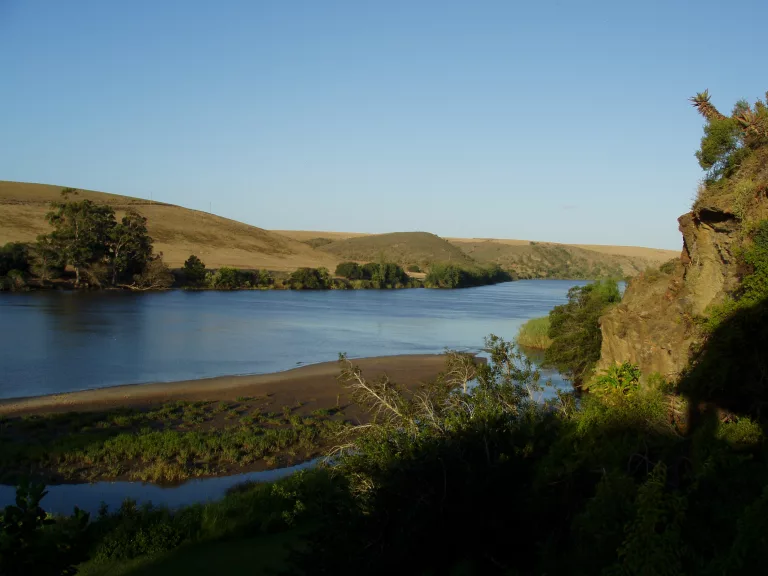
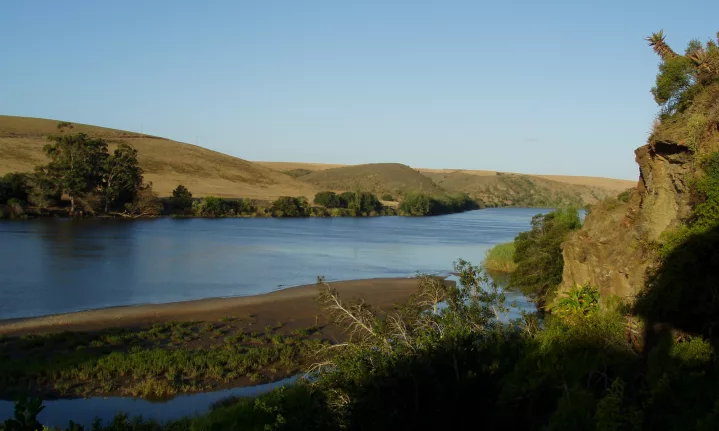
The Breede River about 5km inland from its mouth/Socrates2008/Wikimedia Commons
Wide waters and excellent fishing
Stretching from Witsand towards the sea, the Breede River Estuary offers a quieter escape that rewards visitors with expansive scenery and exceptional fishing opportunities. As South Africa’s largest navigable estuary, it attracts anglers chasing kob, grunter and spotted gully sharks, while its calm waters also suit families looking for a relaxed boating destination.
Kayaks, canoes and paddleboards are ideal for exploring the river’s sheltered reaches, where reed-lined banks provide habitat for kingfishers, herons and fish eagles.
The surrounding Overberg landscape offers vineyards, rolling hills and nature reserves, making it easy to combine a river adventure with wine tasting or scenic drives. During winter, southern right whales are often seen offshore near Witsand, adding another wildlife highlight to the region.
ALSO READ:
Find your people: The Cape Town social clubs changing the way we experience the Mother City
St Lucia Estuary, KwaZulu-Natal
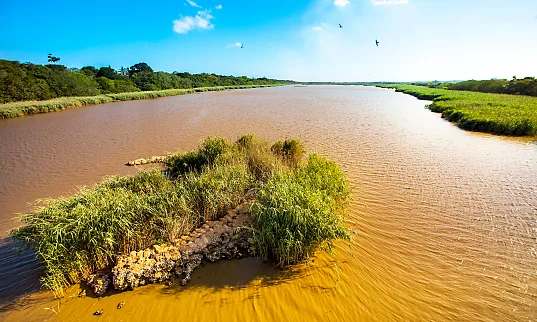
Lagoon of St Lucia South Africa/By: Siegfried Schnepf/iStock
Wildlife around every bend
Situated within the UNESCO-listed iSimangaliso Wetland Park, St Lucia Estuary is one of Africa’s greatest wetland systems. It is renowned for its incredible biodiversity and is home to one of the continent’s largest populations of hippos, along with Nile crocodiles, fish, reptiles and hundreds of bird species.
Boat safaris remain the most popular way to experience the estuary, with knowledgeable guides pointing out basking crocodiles, pods of hippos and nesting birds along the banks.
Birdwatchers can expect sightings of African fish eagles, goliath herons, saddle-billed storks, pelicans and flamingos depending on the season.
Beyond the water, the nearby town of St Lucia provides easy access to beaches, game reserves and hiking trails, making it an excellent base for several days of exploration.
Kosi Bay, KwaZulu-Natal
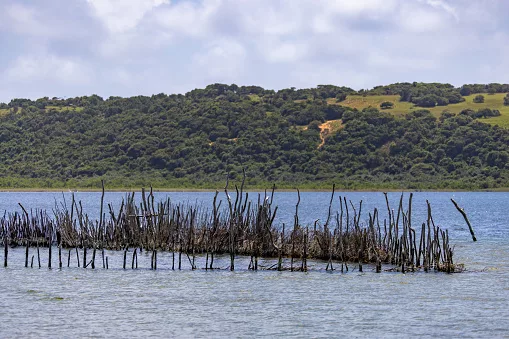
Kosi Bay/By: Beata Whitehead/Getty Images
A remote paradise of lakes and channels
Close to the Mozambican border lies one of South Africa’s most pristine estuarine systems. Kosi Bay consists of four interconnected lakes linked by natural channels before eventually reaching the Indian Ocean.
Crystal-clear waters, dense coastal forests and towering raffia palms create a setting unlike anywhere else in the country. Traditional Thonga fish traps, some of which have been used for generations, remain one of Kosi Bay’s most distinctive cultural features and continue to be sustainably managed by local communities.
The clear waters invite snorkelling, kayaking and canoeing, while birdwatchers may encounter palm-nut vultures, African finfoots and numerous kingfisher species.
Nearby beaches remain wonderfully undeveloped, offering peaceful stretches of sand where loggerhead and leatherback turtles nest during summer.
Sundays River Estuary, Eastern Cape
River adventures beneath giant dunes
The Sundays River flows into Algoa Bay near Colchester, creating an estuary that combines tranquil paddling with one of South Africa’s most dramatic landscapes.
The towering Alexandria Dune Field rises alongside the estuary, creating spectacular scenery that can be explored by kayak, river cruise or even sandboard.
Gentle currents make this one of the country’s most accessible estuaries for beginners, while birdlife thrives along the reed beds and mudflats.
Its proximity to Addo Elephant National Park makes it easy to combine a morning paddle with an afternoon game drive, creating one of the Eastern Cape’s most rewarding day trips.
Klein River Lagoon, Western Cape
View this post on Instagram
Hermanus’ peaceful wetland escape
Just outside Hermanus, Klein River Lagoon offers a quieter alternative to the town’s famous whale-watching coastline. Framed by the Kleinrivier Mountains and bordered by wetlands, the lagoon is a haven for paddlers, birdwatchers and photographers.
Calm waters make it perfect for kayaking and stand-up paddleboarding, while its shallow edges attract flamingos, sacred ibises, cormorants and numerous migratory waders.
The nearby village of Stanford adds to the area’s charm with riverside cafés, galleries and farm stalls, making it easy to spend a leisurely weekend exploring both the lagoon and the surrounding countryside.
Why estuaries matter
Although they are beautiful places to visit, estuaries are also among South Africa’s most valuable natural ecosystems. Their sheltered waters provide breeding and nursery habitats for many marine fish species, helping sustain healthy coastal fisheries.
Wetlands surrounding estuaries filter pollutants, reduce erosion and help protect coastal communities against flooding and storm surges. They also support thousands of migratory birds travelling between Africa, Europe and Asia.
Responsible tourism plays an important role in protecting these fragile environments. Visitors should stay on designated launch sites, avoid disturbing wildlife, dispose of litter responsibly and respect seasonal conservation measures that help preserve these remarkable ecosystems.
Where fresh and salt water create unforgettable journeys
South Africa’s estuaries offer far more than scenic views. They are places where wildlife flourishes, cultures endure and outdoor adventures unfold at an unhurried pace. Whether you’re paddling through Knysna’s calm waters, watching hippos surface in St Lucia, discovering centuries-old fish traps at Kosi Bay or drifting beneath the Alexandria dunes, each estuary reveals a different side of the country’s natural beauty.
For travellers who enjoy exploring beyond the beach, these remarkable meeting places of river and sea promise experiences that are as memorable as the landscapes themselves.
Follow us on social media for more travel news, inspiration, and guides. You can also tag us to be featured.
Instagram | Facebook | Twitter
ALSO READ: