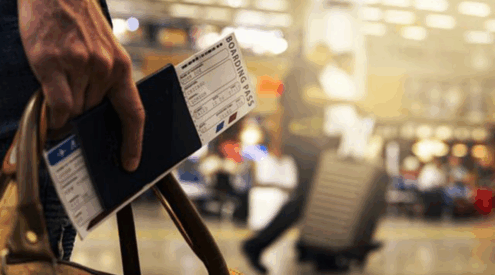







There’s something quietly powerful about a country reclaiming its skies. This week, Benin did exactly that.
Source: Pexels
According to travelnews.africa, on 23 March 2026, Amazone Airlines officially launched its first commercial flight, connecting Cotonou to Parakou. It might sound like a simple domestic route, but for Benin, this moment carries far more weight. It marks the return of meaningful internal air travel after years of absence and signals a renewed ambition to become a serious player in West African aviation.
A comeback nearly two decades in the making
For many in the region, this launch feels long overdue. Benin has not had a strong, stable national airline presence since Afrique Airlines shut down in 2006. Since then, domestic travel has largely relied on road networks, often slow and unpredictable.
Amazone Airlines represents a deliberate reset. Built through a strategic merger and backed by government intent, the airline isn’t just another start-up trying its luck. It is part of a broader national plan to rebuild aviation from the ground up and reconnect cities that have long felt distant despite being in the same country.
Why this flight matters beyond Benin
At first glance, a single domestic route might not seem like headline news. But within Africa’s travel ecosystem, it changes more than you would expect.
For tour operators and travellers, smoother access between the south and north opens up Benin’s layered story. From coastal heritage sites like Ouidah’s historic slave routes to inland cultural landmarks such as Abomey’s royal palaces, journeys that once required long road trips can now be reimagined.
There is already quiet excitement among travel professionals, especially those building multi-country itineraries across West Africa. Easier domestic movement means Benin can slot more naturally into broader travel routes, rather than being treated as a logistical challenge.
The bigger aviation play
This launch did not happen overnight. Benin’s National Civil Aviation Agency granted Amazone Airlines its operating licence in February 2026 after a thorough review. That approval was a clear signal that the country is serious about meeting global aviation standards.
Behind the scenes, leadership from Patrice Talon has pushed for a stronger aviation footprint. The government already holds a stake in BENIN AIRLINES, relaunched in 2020. Together, these airlines are expected to complement each other rather than compete directly, creating a more reliable and layered network.
It is a strategy that feels familiar across parts of Africa right now. Countries are not just launching airlines for prestige but also to unlock tourism, trade, and internal mobility.
Social buzz and cautious optimism
Across travel circles and social media, the reaction has been a mix of excitement and realism. Many are celebrating the return of domestic flights, calling it a “long-awaited step forward.” Others are watching closely, aware of how challenging it is for new airlines to survive in a competitive and expensive industry.
That cautious optimism makes sense. Aviation in West Africa is not an easy game. Rising operational costs, tight margins, and strong regional competitors mean that consistency and reliability will matter just as much as ambition.
What comes next
Amazone Airlines has already hinted at expansion. Plans are in motion to grow its route network and potentially connect Benin to major international destinations. There have even been early conversations about partnerships with global carriers, which could help accelerate growth and improve connectivity beyond the region.
If those plans materialise, the ripple effect could be significant. For travellers, it could mean easier access to a country rich in culture but often overlooked. For the industry, it could reshape how West African routes are built and sold.
A small flight with big meaning
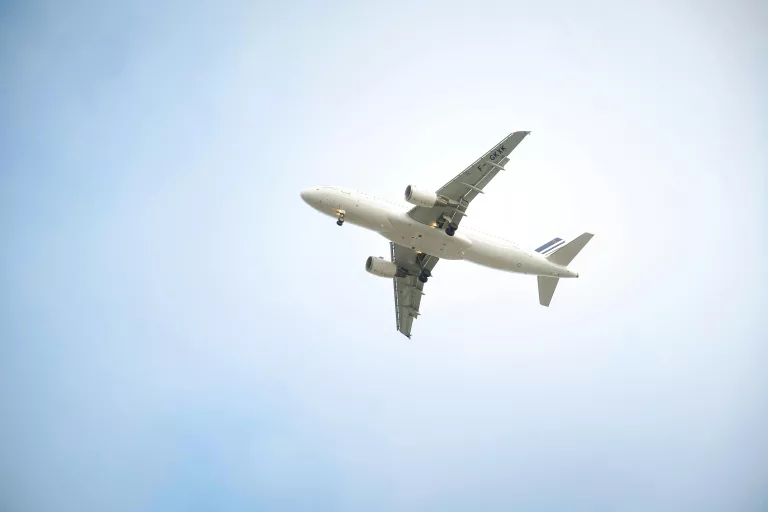
For now, the image is simple. A plane lifting off from Cotonou and heading north to Parakou. But behind that journey is a country quietly repositioning itself.
Benin is not just putting planes back in the air. It is rebuilding confidence, reconnecting its cities, and opening the door to a new chapter in African travel.
And if Amazone Airlines can hold its course, this could be the start of something much bigger than a single route.
Source: travelnews.africa
Follow us on social media for more travel news, inspiration, and guides. You can also tag us to be featured.
TikTok | Instagram | Facebook
ALSO READ: