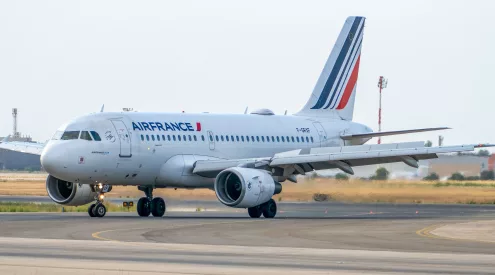







There was a time when flying felt like a luxury reserved for a lucky few. Today, it is almost routine. By 2050, it could be something entirely different again, something closer to a global norm than a privilege.
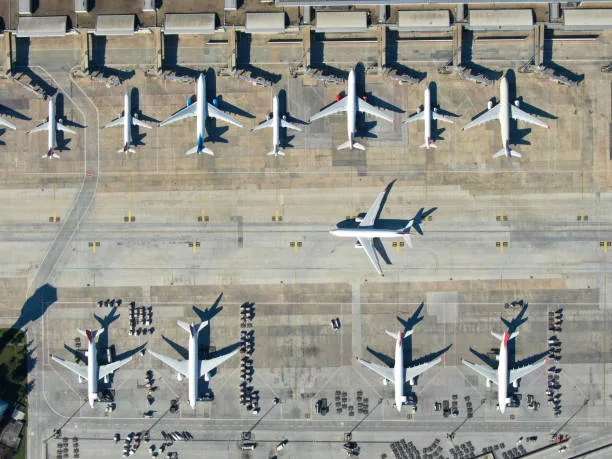
Source: iStock
According to thetraveler.org, fresh projections from international aviation bodies suggest the number of air travellers worldwide will more than double in the next 25 years. By mid-century, the skies could carry around 12.4 billion passengers every year. That is not just growth. It is a complete reshaping of how the world moves.
And if you are in Africa, this story is closer to home than you might think.
A world taking to the skies
The long-term outlook is clear. Demand for air travel is rising steadily, even when factoring in economic ups and downs or stricter environmental rules.
Globally, passenger numbers are expected to grow at roughly three percent each year. It sounds modest on paper, but over the decades, it builds into something massive. Airports, airlines, and aircraft manufacturers are all planning for a future where flying becomes accessible to hundreds of millions of new travellers.
This is not just about holidays. It is about business, migration, trade, and the way cities connect. Air travel is becoming a backbone of modern life.
Asia leads the surge, but Africa is not far behind
Asia Pacific is expected to dominate the next wave of aviation growth. Rapidly expanding economies, a rising middle class, and stronger regional connections are all pushing more people into the skies.
But Africa is quietly emerging as one of the fastest-growing regions in the world.
Passenger traffic on the continent is projected to grow at around six percent annually over the next two decades. That is significantly faster than many established markets. The reasons are hard to ignore. Africa has one of the youngest populations globally, cities are expanding quickly, and investment in airports and airlines is steadily increasing.
You can already see the shift happening. More routes are opening between African cities. Connections to the Middle East and Asia are strengthening. Airlines are placing bigger aircraft orders and planning new hubs.
For travellers, it means one thing. Flying within Africa and from Africa to the world is about to get a lot easier.
A shift in global travel power
For decades, the busiest air routes were centred around Europe and North America. That balance is changing.
Growth in these mature markets is slowing slightly, with annual increases sitting closer to two and a half to three percent. They are still growing, but not at the pace of emerging regions.
Instead, the centre of global air travel is moving east and south. Routes across Asia, between Asia and the Middle East, and increasingly between Africa and the rest of the world are expected to dominate future traffic.
It is a quiet but significant shift. The next generation of major travel hubs may not look like the ones we are used to.
Airports are racing to keep up
With more people flying, infrastructure is under pressure.
Airports across Asia, the Middle East, and parts of Africa are already expanding. New terminals, additional runways, and upgraded systems are becoming essential rather than optional.
At the same time, older airports in Europe and North America are dealing with congestion and limited space, pushing them to find smarter ways to use what they already have.
Behind the scenes, there is also a skills challenge. The industry will need more pilots, engineers, and air traffic specialists to support the surge.
The sustainability question
There is one issue that hangs over all of this growth: sustainability.
The aviation sector has committed to reaching net-zero carbon emissions for international flights by 2050. That is an ambitious target, especially with passenger numbers set to soar.
The solution is likely to be a mix of more efficient aircraft, better flight management systems, and a major push towards sustainable aviation fuels. Whether that will be enough remains a big question and one travellers are increasingly aware of.
Why this matters for South Africans
For South Africans, this future could mean more than just cheaper flights or more holiday options.
Better connectivity across Africa could unlock new business opportunities, tourism routes, and cultural exchanges. Cities like Johannesburg could strengthen their role as key gateways between continents.
There is also a sense of anticipation online. Travel conversations are already shifting, with many people talking about easier intra-African travel and the possibility of exploring the continent more freely.
If the forecasts hold true, the next 25 years could redefine what it means to travel from Africa, not as a distant destination, but as a central player in global aviation.
The bottom line
Air travel is not just growing. It is transforming.
By 2050, the skies will be busier, more connected, and far more diverse. And while Asia may lead the charge, Africa is firmly part of the story.
For a continent often seen as emerging, this could be the moment it truly takes flight.
Source: thetraveler.org
Follow us on social media for more travel news, inspiration, and guides. You can also tag us to be featured.
TikTok | Instagram | Facebook
ALSO READ: