




For years, Cabo Verde has quietly become one of Africa’s most appealing island getaways. Sun-soaked beaches, easy flight routes from Europe, and an all-inclusive resort culture have turned it into a winter escape favourite. But just as the destination hit new highs in visitor numbers, a health concern has crept into the conversation, and travellers are starting to take notice.
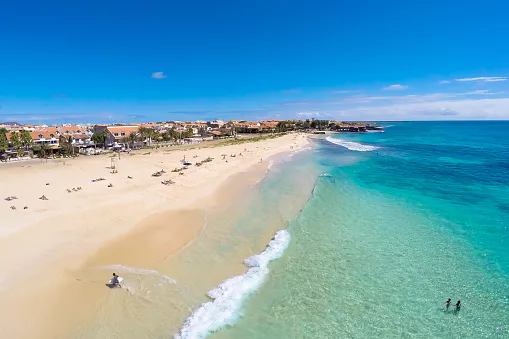
Source: iStock
According to Travel And Tour World, more than 1,000 travellers have now been linked to cases of shigellosis and related stomach infections after trips to the islands. Most of those affected returned to Europe, the United Kingdom, and the United States, bringing the issue into sharper global focus.
A holiday hotspot under pressure
The infections have largely been associated with popular resort areas, especially Santa Maria on Sal Island, where tourism is heavily concentrated. That matters because Cabo Verde’s tourism success story is built on exactly these high-traffic zones.
In 2025 alone, the country welcomed around 1.2 million visitors, many from Europe. British travellers, in particular, make up a significant share of arrivals, which explains why the UK has seen a noticeable number of reported cases.
The situation has raised broader concerns about hygiene standards in busy resort destinations, especially as tourism numbers continue to climb.
What exactly is shigellosis
Shigellosis is a bacterial infection that spreads through contaminated food, water, or poor hygiene. It is known for causing severe diarrhoea, stomach cramps, fever, and dehydration. Most people recover within a week, but it can be serious for children, older travellers, or anyone with a weakened immune system.
Health experts have flagged the strain involved in this situation as particularly contagious, which adds urgency to ongoing investigations. The exact source of the infections is still being examined, though early signs suggest a link to food or water contamination in resort settings.
Officials push back as scrutiny grows
Despite growing concern abroad, Cabo Verde’s government has been firm in its messaging. Officials maintain that the country is safe for visitors and stress that there has been no confirmed epidemic. They also note that no deaths have been directly linked to the infection.
At the same time, European health authorities have taken a more cautious approach. Travel advisories now encourage visitors to be vigilant, especially when it comes to hygiene and food safety.
Behind the scenes, there is active cooperation between local authorities and international health bodies. Improved testing and monitoring are being rolled out in an effort to identify the source and prevent further spread.
What travellers should actually do
For South Africans eyeing Cabo Verde as a tropical alternative to Mauritius or Zanzibar, the situation is not necessarily a dealbreaker, but it does call for awareness.
Simple precautions go a long way. Wash hands regularly, avoid undercooked food, and stick to bottled or treated water. These are standard travel habits, but they matter more in moments like this.
If symptoms such as severe diarrhoea or fever appear during or after a trip, seeking medical attention quickly is essential.
A test of resilience for a rising destination
Cabo Verde’s tourism industry has weathered challenges before, and so far, the impact on bookings appears limited, with no widespread cancellations reported. That resilience speaks to how established the destination has become.
Still, this moment highlights a broader issue facing fast-growing travel hotspots across Africa. As visitor numbers rise, so does the pressure on infrastructure, hygiene systems, and quality control.
For Cabo Verde, the next few months will be about more than just managing a health concern. It will be about maintaining trust, tightening standards, and proving that its popularity is matched by safety and reliability.
For travellers, the takeaway is simple. The islands are still open, still welcoming, and still beautiful. But like any destination in the spotlight, they now come with a reminder that even paradise needs careful upkeep.
Source: Travel And Tour World
Follow us on social media for more travel news, inspiration, and guides. You can also tag us to be featured.
TikTok | Instagram | Facebook
ALSO READ:
Zambia’s transport upgrade is reshaping travel in southern Africa