




Conservationists have a new tool at their disposal.

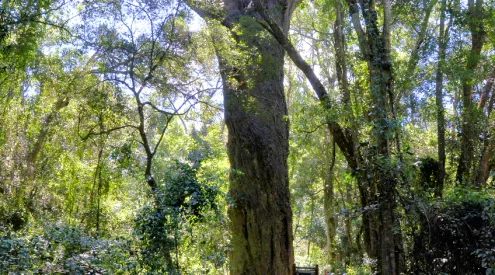
Image: WCS Congo ©️ Scott Ramsay
A global collaboration led by the Wildlife Conservation Society (WCS) has launched COMET, a free, open access platform designed to help conservation practitioners monitor and measure the impact of their work more effectively. The new online resource brings together field tested monitoring methods from around the world, helping organisations choose practical and cost effective approaches while encouraging collaboration across the conservation sector.
Known as the Conservation Monitoring Effectiveness Techniques platform, or COMET, the resource was developed through the Conservation Measures Partnership (CMP), an international network of conservation organisations working to improve environmental outcomes worldwide.
Helping conservation practitioners make informed decisions
Conservation projects rely on accurate monitoring to understand whether efforts to protect wildlife, habitats and ecosystems are delivering meaningful results. However, until now there has been no centralised library offering practical guidance on which monitoring methods work best in different environments.
COMET addresses this challenge by providing free access to a growing collection of proven monitoring techniques covering species populations, habitats, environmental threats and human well being.
According to Dr Gautam Surya, Conservation Planning Scientist at WCS, monitoring often requires significant time, funding and expertise. By making reliable methods easier to access, practitioners can spend less time developing monitoring systems from scratch and more time improving conservation outcomes.
The platform was developed with support from the Gordon and Betty Moore Foundation and draws on expertise from more than 30 conservation organisations, alongside government agencies, universities, non governmental organisations, businesses and Indigenous Peoples and local community organisations.
Traditional Knowledge takes centre stage
One of COMET’s defining features is its emphasis on Traditional Knowledge and community participation.
The platform includes dedicated resources to help conservation practitioners work respectfully with Indigenous Peoples and local communities, recognising that generations of place based knowledge can provide valuable insights into ecosystems and biodiversity.
The Traditional Knowledge component was led by Dr Xiaoyue Li of Southern Methodist University, who highlighted the importance of treating communities as equal partners rather than simply sources of data.
By combining scientific methods with Indigenous and local knowledge systems, COMET aims to support more inclusive, equitable and sustainable conservation practices around the world.
Building a stronger conservation community
The platform also encourages knowledge sharing across the global conservation sector.
Experts involved in the project believe COMET fills a long standing gap between conservation planning and conservation measurement. While existing initiatives focus on identifying effective conservation actions and planning strategies, COMET provides practical guidance on how to measure progress consistently and efficiently.
Conservation practitioners are encouraged to contribute their own monitoring methods for review, allowing the platform to expand as new techniques and innovations emerge.
As biodiversity faces increasing pressure worldwide, access to reliable monitoring tools could play an important role in helping conservationists understand what works, adapt their strategies and deliver better outcomes for both nature and people.
Follow us on social media for more travel news, inspiration, and guides. You can also tag us to be featured.
Instagram | Facebook | Twitter | Spotify
ALSO READ:
7 underrated SANParks that deserve a spot on your bucket list