



South Africans love their cars.
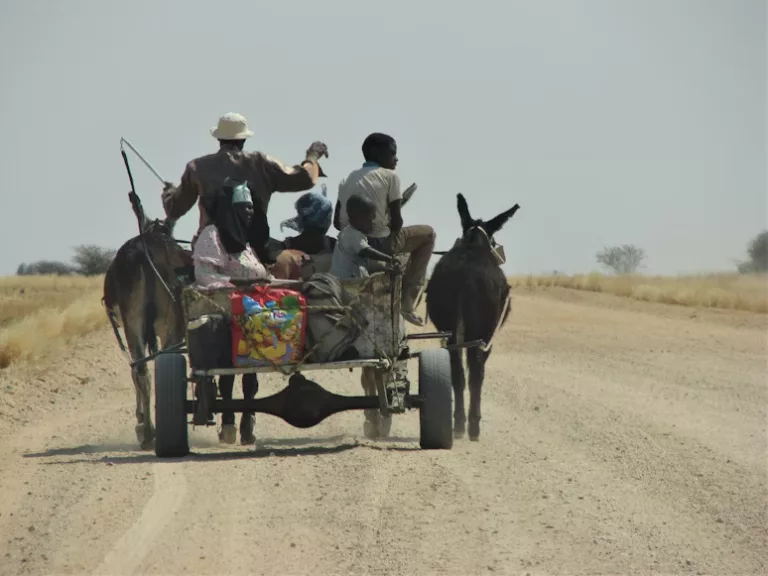
Donkey cart / Vicky Sim / Unsplash
Whether it’s the school run, a weekend road trip, or the daily commute, four wheels have become the default way to move around. But what if, just for a day (or a holiday), you parked the car and chose something different? South Africa is filled with quirky, adventurous, and downright unusual modes of transportation that not only get you from A to B, but also transform the journey into an unforgettable part of the experience.
Here are some of the most interesting ways to explore the country without ever touching a car key.
Hop aboard a vintage steam train
There’s something magical about the slow rhythm of a steam train, its whistle echoing across valleys and vineyards. In Cape Town, the Ceres Rail Company offers scenic day trips from the city to Elgin, winding through mountains, tunnels, and rolling orchards. For those in Gauteng, the Magaliesburg Express recreates the golden age of rail travel with vintage coaches and breathtaking countryside views.
Unlike a car journey, train travel invites you to sit back, sip on something cold, and watch the landscape roll by. It’s nostalgia and adventure rolled into one.
Saddle up for a horseback safari
If you’re looking to swap gears for reins, horseback safaris are a remarkable way to immerse yourself in South Africa’s wild beauty. In places like Waterberg (Limpopo) or Wild Coast (Eastern Cape), riding through open plains or along untamed beaches brings you closer to nature than a vehicle ever could.
Horses move quietly, meaning wildlife often doesn’t see them as a threat. Imagine trotting past giraffes nibbling treetops or watching a herd of zebra gallop across the horizon, all while feeling the wind in your face and the ground beneath your mount’s hooves.
Power pedal by bicycle
Bicycles aren’t just for city streets or fitness fanatics. South Africa boasts world-class cycling routes, from the Cape Winelands to Drakensberg mountain trails. Towns like Stellenbosch are especially bike-friendly, with wine farms and cafés accessible via pedal power.
Cycling offers a freedom and intimacy that cars simply can’t. You set the pace, pause when you want, and discover hidden corners you’d otherwise speed past. For the adventurous, multi-day cycle tours (like the Karoo’s gravel routes) add an extra challenge.
Take to the water on canoes and kayaks
South Africa isn’t just about land, its waterways are ripe for exploration. Swap the car seat for a canoe paddle and drift along the Orange River in the Northern Cape. These multi-day paddling adventures take you through dramatic desert landscapes, with camping under starlit skies.
On the coast, sea kayaking in places like Simon’s Town lets you glide alongside Cape fur seals, penguins, and—if you’re lucky—dolphins. Unlike a road trip, water travel shifts your perspective completely, showing you the country’s wild side from a liquid highway.
Donkey carts in the Karoo
In the heart of the Karoo, where life still moves at its own pace, donkey carts remain both a practical and cultural form of transport. Towns like Philippolis or Sutherland occasionally offer donkey cart rides, giving visitors a taste of old-world travel.
It’s slow, bumpy, and maybe a little unconventional, but there’s nothing quite like rumbling through dusty roads on a cart pulled by these sturdy animals. It’s an experience that feels stitched together with history, tradition, and a sense of community.
Cable cars and aerial views
Why drive up a hill when you can float to the top? South Africa’s cable cars offer breathtaking bird’s-eye views of its landscapes. The Table Mountain Aerial Cableway in Cape Town is the most famous, whisking visitors from the city to panoramic mountain-top vistas in minutes.
In Hartbeespoort, the Aerial Cableway takes you above the Magaliesberg Mountains, offering not just stunning scenery but also hiking trails and dining spots at the summit. It’s a mode of transport where the journey itself is the attraction.
Tuk-tuks and rickshaws
In urban hubs like Johannesburg and Cape Town, tuk-tuks are becoming an eco-friendly alternative to cars for short distances. They’re fun, affordable, and perfect for hopping between restaurants, art galleries, or nightlife spots.
In Durban, the traditional Zulu rickshaws are a more flamboyant option. Decorated with vibrant colours and towering headgear, these hand-pulled carts have been part of the city’s beachfront culture for over a century. While largely symbolic today, they remain a quirky way to embrace Durban’s heritage.
Safari on two feet: walking trails
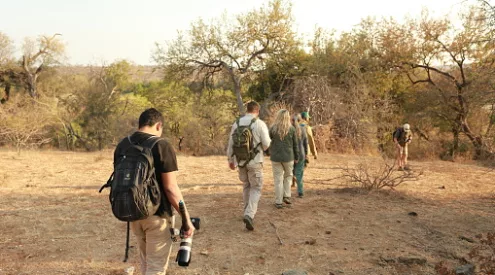
Perhaps the most radical alternative to a car is ditching wheels altogether. South Africa’s national parks and private reserves offer guided walking safaris, where trained rangers lead small groups through the bush. It’s slow travel at its purest. Every sound, track, and scent takes on new meaning.
Whether it’s spotting rhino tracks in Kruger or learning about medicinal plants in Hluhluwe, walking safaris let you experience the land with heightened senses. You’re not just passing through the environment, you’re part of it.
Why Trade Your Car Keys?
Exploring South Africa by unusual means isn’t just about novelty, it’s about perspective. Each mode of transport changes how you interact with the landscape, the people, and even yourself. Cars are efficient, but they often place a barrier between you and the world outside.
Whether it’s the rhythmic clatter of a steam train, the quiet intimacy of a horseback safari, or the splash of a paddle hitting river water, unusual transport modes invite you to slow down, notice more, and create memories beyond the ordinary.
So next time you think about a getaway, ask yourself: instead of “Which route will I drive?”, try “What if I swop my car for…?” You may find that the journey becomes the best part of the adventure.
Follow us on social media for more travel news, inspiration, and guides. You can also tag us to be featured.
TikTok | Instagram | Facebook | Twitter
ALSO READ: Africa’s shipwreck diving hotspots