



When it comes to African safaris, most people picture rugged 4x4s, binoculars, and khaki hats—but rarely the weight of their luggage. In reality, the most rewarding safaris often belong to those who travel light, carrying only what they need and making eco-conscious choices every step of the way.

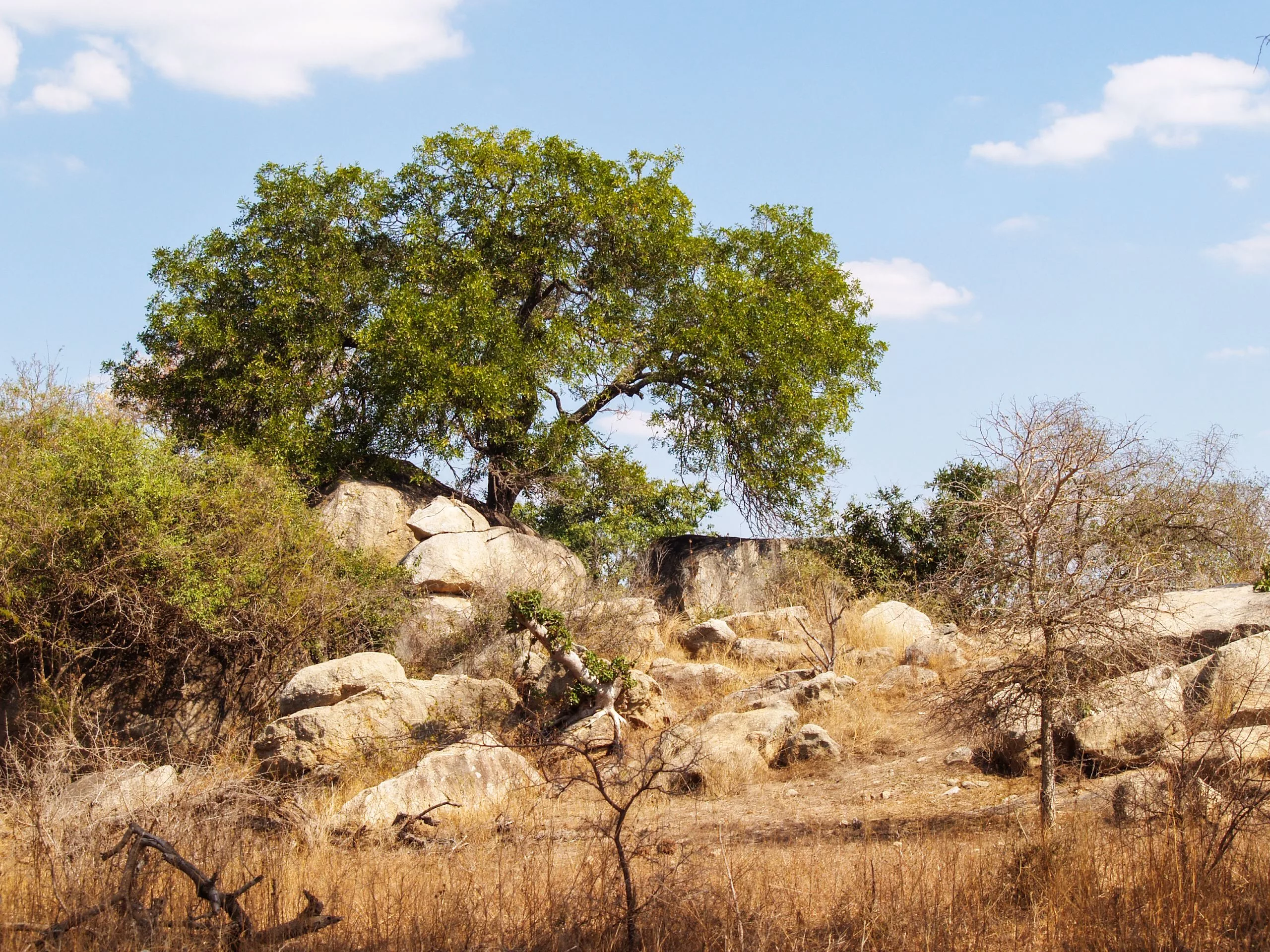
Image used for illustrative purposes/Aravind Kumar/Unsplash
Not only does this lighten your physical load, but it also reduces your environmental footprint, supports local communities, and makes moving between game drives, camps, and small bush planes far easier.
Why minimalism works best on safari
Minimalist travel isn’t just a Pinterest aesthetic—it’s practical bush wisdom. Lighter luggage means:
- Easier transport in small safari planes and 4×4 vehicles with strict weight limits.
- Lower fuel consumption, which matters in sensitive wilderness areas.
- Less reliance on remote lodges’ resources like laundry services and water.
Choose multi-use clothing
Instead of packing for “what if” scenarios, plan for versatility:
- Stick to neutral, breathable fabrics like cotton, hemp, or lightweight bamboo blends. Avoid bright colours or busy prints that can startle wildlife (or attract tsetse flies).
- Layer instead of lugging: a thin waterproof shell + fleece mid-layer replaces the need for a bulky jacket.
- Opt for two pairs of trousers (one convertible into shorts), three lightweight shirts, and a single warm sweater for cooler evenings.
Quick tip: earth tones aren’t just practical—they also hide dust and dirt better between washes.
ALSO READ: Sustainable camps in Namibia and Morocco’s eco-deserts
Eco-friendly safari essentials
Your packing list should be as kind to the environment as it is to your back. Consider:
- Refillable water bottle with built-in filter (LifeStraw, Grayl) to cut plastic waste.
- Solar-powered torch or charger—perfect for off-grid camps without adding battery waste.
- Plastic-free toiletries like shampoo bars, solid deodorant, and toothpaste tablets.
- Natural insect repellent and reef-safe sunscreen for river swims or coastal extensions to your trip.
Many lodges now provide eco-toiletries, so check before you pack.
Pack smart, not more
Efficient packing isn’t about restriction—it’s about intention:
- Packing cubes or compression bags keep your gear organised and save space.
- Choose quick-dry fabrics so you can wash items in the evening and wear them the next day.
- Limit yourself to two pairs of shoes: sturdy safari/hiking boots and lightweight sandals or slip-ons for camp.
Travel accessories that give back
Your gear choices can make a direct impact:
- Sealand (South Africa) creates bags from upcycled materials like old sails and billboards.
- Ocean Sole (Kenya) turns discarded flip-flops into vibrant wildlife art.
Not only are these items functional, but they also tell a story worth sharing.
Digital over paper
Safaris often mean multiple transfers and dusty conditions—keeping track of paper tickets and guidebooks can be tricky. Instead:
- Store itineraries, wildlife checklists, and maps on your phone or e-reader.
- Download offline apps like Maps.me for navigation in remote areas.
- Use e-tickets where possible to cut down on paper waste.
Leave space for positive impact
Packing light gives you more room to carry something meaningful:
- School supplies like notebooks and pencils.
- Reusable menstrual products for donation via NGOs working in rural communities.
- Extra space for locally made crafts—helping artisans earn directly from tourism.
This small act turns your trip into a positive force beyond your own experience.
Minimalist Safari Packing Checklist
Clothing:
- 2 lightweight trousers (1 convertible to shorts)
- 3 breathable shirts (long and short-sleeved mix)
- 1 warm sweater or fleece
- 1 waterproof shell jacket
- 1 pair safari/hiking boots
- 1 pair sandals or slip-ons
- 5 pairs quick-dry underwear & socks
- Wide-brim hat & sunglasses
Gear:
- Refillable water bottle with filter
- Binoculars (compact)
- Solar-powered torch/charger
- Camera (if desired, with minimal accessories)
Toiletries:
- Solid shampoo, deodorant, toothpaste tablets
- Reef-safe sunscreen
- Natural insect repellent
- Microfibre towel
Extras:
- Lightweight daypack
- Small “give back” kit
- E-reader or phone with offline maps/apps
Follow us on social media for more travel news, inspiration, and guides. You can also tag us to be featured.
TikTok | Instagram | Facebook | Twitter
ALSO READ: South Africa’s most sustainable safari camps