




South Africa is being encouraged to step into a growing international effort to phase out fossil fuels, after missing a key climate meeting in Colombia this week.

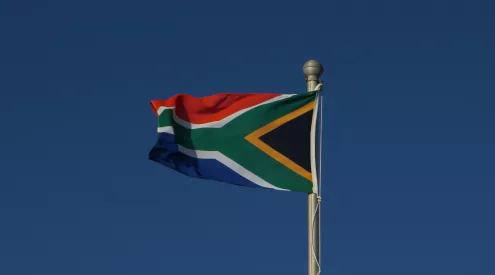
Image used for illustrative purposes/Chris LeBoutillier/Unsplash
The call comes from WWF South Africa, following the country’s absence from the inaugural international conference on Transitioning Away from Fossil Fuels (TAFF), currently underway in Santa Marta. The gathering brings together 57 countries, including major oil, coal and gas producers such as Canada, Australia, Brazil and Norway, alongside several African nations.
The conference marks a notable shift in global climate discussions. Rather than debating whether fossil fuels should be phased out, the focus is now on how to achieve it. Delegates are working towards practical steps that align with scientific recommendations and international climate targets.
According to WWF South Africa, the meeting represents one of the first coordinated efforts outside of formal UN climate negotiations to actively drive the transition away from fossil fuels. It also opens the door for countries to shape policy frameworks, funding mechanisms and timelines for implementation.
James Reeler, senior climate specialist at WWF South Africa, says participation in such platforms is essential. Engagement, he notes, helps strengthen national planning and ensures countries remain aligned with evolving global strategies.
South Africa’s absence, he adds, is a missed opportunity, but not a final one. Further engagements are expected to follow, and there is still scope for the country to become involved.
The stakes are high. International climate finance and technical support are increasingly tied to visible participation in credible transition initiatives. Without a seat at the table, countries risk losing access to funding pathways and influence over emerging global standards.
For South Africa, the challenge is particularly complex. The country remains heavily dependent on coal, while also grappling with poverty, unemployment and inequality. A clear, actionable roadmap for a just energy transition is therefore critical.
WWF argues that joining the so-called “coalition of the willing” could help South Africa refine its approach. Participation would offer access to global expertise, strengthen local policy development and reinforce the country’s leadership role among developing economies.
There are also economic implications. Independent modelling, including work by the Presidential Climate Commission, suggests that decarbonisation could unlock job creation, reduce environmental harm and improve access to international markets.
Globally, the urgency is undeniable. Fossil fuels account for roughly 75% of greenhouse gas emissions and nearly 90% of carbon dioxide emissions. To limit warming to below 2°C, scientists say a full phase-out of fossil fuels is required before 2050, with developed nations expected to move even faster.
For South Africa, the message is clear: the transition is underway. The question now is whether the country will help shape it or be shaped by it.
Follow us on social media for more travel news, inspiration, and guides. You can also tag us to be featured.
TikTok | Instagram | Facebook | Twitter
ALSO READ:
Table Mountain improves accessibility with new summit walkway