

Winter is often seen as an off-season for gardens, but across South Africa, the colder months bring a different kind of botanical spectacle.

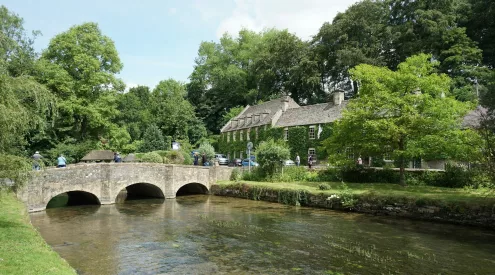
Image used for illustrative purposes/Joshua Kettle/Unsplash
Indigenous aloes begin flowering, fynbos landscapes respond to seasonal rainfall and many public gardens become quieter and easier to explore. From subtropical urban gardens to mountain reserves filled with indigenous flora, these destinations offer some of the country’s most rewarding winter scenery.
Kirstenbosch National Botanical Garden, Cape Town
Situated on the eastern slopes of Table Mountain, Kirstenbosch National Botanical Garden is internationally recognised for its extensive collection of indigenous South African plants. Winter is one of the most ecologically significant seasons in the garden, particularly for fynbos species that thrive during the Western Cape’s rainy period. Many aloe species begin flowering from late autumn into winter, attracting pollinators such as sunbirds and insects. Proteas, ericas and restios also become more prominent during this time, particularly after rainfall enhances the colour and density of the vegetation. Winter visibility across the garden is often excellent due to clearer air conditions following rain. The Boomslang canopy walkway provides elevated views over the arboretum and surrounding mountain slopes, while shaded walking paths become more comfortable during cooler temperatures.
Walter Sisulu National Botanical Garden, Roodepoort
Walter Sisulu National Botanical Garden is one of Gauteng’s most accessible natural spaces and is particularly well suited to winter visits because of the province’s dry climate. Reduced rainfall during winter creates clear skies and stable walking conditions, making the garden ideal for hiking, birdwatching and photography. The garden is built around the Witpoortjie Waterfall, which remains one of its main attractions throughout the year. Rocky grassland habitats support a variety of winter-flowering aloe species, which introduce bright orange and red colour into an otherwise muted seasonal landscape. The cliffs surrounding the waterfall are also known nesting sites for Verreaux’s eagles, making winter an excellent period for bird enthusiasts hoping to observe raptor activity.
Harold Porter National Botanical Garden, Betty’s Bay
Located within the Kogelberg Biosphere Reserve, Harold Porter National Botanical Garden forms part of one of the world’s richest floral regions. The garden transitions seamlessly into natural fynbos landscapes and mountain catchments, offering visitors both cultivated displays and wild vegetation. Winter rainfall plays a major ecological role in this region. Seasonal streams and waterfalls become more active, while moisture supports the growth of ericas, proteas and other indigenous species adapted to Mediterranean climate conditions. The garden is especially valuable for visitors interested in Cape Floral Kingdom biodiversity. Interpretive paths allow travellers to observe the relationship between mountain ecosystems, freshwater systems and indigenous plant communities.
Durban Botanic Gardens, Durban
Durban Botanic Gardens differs significantly from many other South African gardens because of its subtropical climate. Winter temperatures remain relatively mild, allowing tropical and evergreen species to continue thriving throughout the season. Established in 1849, the garden contains important collections of cycads, orchids, palms and rare indigenous plants. Winter conditions are generally drier and less humid than summer, creating more comfortable conditions for extended visits. The orchid house remains one of the garden’s most popular features during winter, while mature tree avenues and landscaped lawns continue to provide dense greenery despite seasonal temperature changes elsewhere in the country.
Free State National Botanical Garden, Bloemfontein
The Free State National Botanical Garden highlights the ecological transition between grassland and woodland habitats in central South Africa. Winter transforms the landscape into a study of texture and contrast, with dry grasslands offset by flowering aloes and hardy shrub species. Unlike coastal gardens that emphasise dense vegetation, this reserve showcases species adapted to colder inland winters and periodic drought conditions. The garden also supports a wide range of birdlife, particularly around water sources and rocky outcrops. Winter sunsets are particularly striking in this region due to low humidity and open horizons, making late afternoon visits especially rewarding for photographers.
Karoo Desert National Botanical Garden, Worcester
The Karoo Desert National Botanical Garden focuses on arid and semi-arid plant species from across southern Africa. Winter is one of the most comfortable seasons to explore the reserve, with lower daytime temperatures allowing easier access to hiking trails and outdoor exhibits. Succulents and aloes dominate much of the winter landscape. These plants are highly adapted to dry environments and often flower during cooler months to take advantage of seasonal pollinator activity. The surrounding mountains and rocky terrain also provide insight into the environmental conditions that shape vegetation patterns in the Karoo biome, one of South Africa’s most distinctive ecological regions.
Lowveld National Botanical Garden, Mbombela
Located at the confluence of the Crocodile and Nels rivers, the Lowveld National Botanical Garden represents the biodiversity of South Africa’s northeastern escarpment and Lowveld regions. Winter temperatures remain moderate, supporting subtropical vegetation throughout the season. Cycads, riverine forest species and seasonal aloe blooms contribute to the garden’s winter appeal, while waterfalls and elevated walkways provide access to different ecological zones within the reserve. The garden also serves an important conservation role through the cultivation and protection of threatened indigenous plant species.
Hantam National Botanical Garden, Nieuwoudtville
Hantam National Botanical Garden forms part of the Nieuwoudtville region, an area internationally recognised for its bulb flora and seasonal wildflower displays. Although spring attracts the largest number of visitors, winter marks the beginning of ecological renewal across the landscape. Seasonal rainfall triggers the early growth stages of geophytes and flowering bulbs that later dominate the region during spring. During winter, the veld shifts from dry brown tones to green ground cover interspersed with early blossoms and emerging plant life. The area’s granite outcrops, dolerite hills and cold climate create highly specialised habitats that support remarkable botanical diversity.
Follow us on social media for more travel news, inspiration, and guides. You can also tag us to be featured.
Instagram | Facebook | Twitter
ALSO READ:
Southern Africa’s best winter travel experiences for adventurous travellers