



There is a particular kind of magic that arrives with harvest season, writes Miriam Kimvangu.

Ryan Cuerden/Unsplash
Roads become busier, markets fill up, and the pace of daily life shifts as fields, vineyards and fishing towns move into full production.
Fruit picking
From late spring through to early autumn, fruit production defines many parts of the Western Cape. Regions such as the Ceres Valley, Elgin, Grabouw and sections of the Breede River Valley are known for apple, pear, cherry and stone fruit farms that welcome visitors during picking season.
Orchard visits typically include guided or self guided picking, access to farm stalls and shaded picnic areas. These experiences allow travellers to engage directly with agricultural processes while enjoying landscapes shaped by decades of cultivation. Overnight stays are common, particularly on working farms that offer guest cottages. Early mornings bring cooler temperatures and clear views across the valleys, while afternoons are often spent exploring nearby trails, dams or village cafes.
In the Eastern Cape, citrus production peaks during winter in the Sundays River Valley near Addo. Oranges and lemons are harvested and prepared for export, and select tours provide insight into large scale packing operations. These visits demonstrate the logistical and labour systems that support one of the country’s most valuable export sectors.
Local food offerings reflect the seasonal abundance. Bakeries, markets and small restaurants adjust menus to incorporate fresh fruit, resulting in dishes that are available only for limited periods.
Grape harvests
In South Africa’s wine regions, harvest represents the most intensive phase of the annual cycle. From late January through March, vineyards in Stellenbosch, Paarl, Franschhoek and Robertson are focused on picking, pressing and fermentation.
Cellar tours and harvest-focused tastings are frequently offered during this period, allowing visitors to observe production while learning how climate and ripeness affect wine style. These experiences add valuable context to wine tourism and provide insight into vintage variation.
Several established festivals coincide with harvest. The Delheim Harvest Festival in Stellenbosch is known for traditional grape stomping, farm style meals and live performances. Muratie Harvest Festival combines wine tasting with visual arts and historical storytelling, reflecting the estate’s long cultural legacy. Darling Cellars Crush Day offers a coastal alternative, featuring informal tastings, food vendors and opportunities to sample freshly pressed grape juice.
Outdoor dining events and vineyard picnics are common during harvest months, and accommodation demand increases across wine routes. Smaller farm stays are particularly popular, offering guests close proximity to active vineyards and seasonal menus built around local produce.
Fishing seasons and coastal harvests
The winter sardine run along the KwaZulu Natal coast is internationally recognised and draws anglers, photographers and marine researchers. The migration brings marine life close to shore, creating opportunities for observation that are rarely possible at other times of the year.
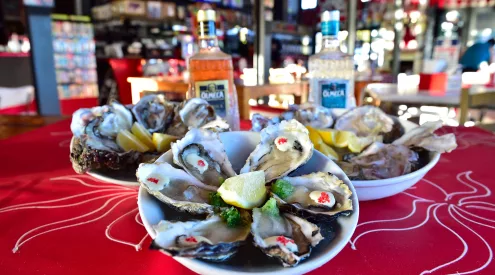
On the West Coast, crayfish season supports small scale fisheries in towns such as Paternoster and Lambert’s Bay. Restaurants and fish markets adjust daily offerings according to landings, and seafood becomes central to the visitor experience. Some communities offer harbour visits and fish processing demonstrations, highlighting traditional preservation methods and long standing fishing practices. These activities provide valuable context around sustainability and coastal livelihoods.
Farming festivals and rural celebrations
Harvest is frequently marked by community events that combine agriculture, food and cultural expression. These festivals serve both as celebrations and as economic drivers for regional tourism.
The Cherry Festival in Ficksburg remains one of the most prominent agricultural festivals in the country. It showcases stone fruit farming in the Eastern Free State through parades, farm visits and tasting events, while encouraging visitors to explore surrounding towns and heritage sites.
Smaller local markets and farm based gatherings also occur during harvest periods. Menus typically reflect what is readily available, including lamb, maize, pumpkin and preserved produce prepared using regional recipes.
Harvest season travel offers both experiential and economic value. It provides visitors with access to authentic working environments while distributing tourism activity beyond major cities and peak holiday periods.
Follow us on social media for more travel news, inspiration, and guides. You can also tag us to be featured.
TikTok | Instagram | Facebook | Twitter
ALSO READ: Beyond the rails: Adventures waiting along the southern line