


Sometimes, the best escapes are not defined by ticking off famous landmarks, but by the places that make you slow down, look twice and recalibrate your idea of what the Western Cape really offers, writes Lee-Ann Steyn.
When people talk about the Western Cape, the same places tend to dominate the conversation. Cape Town. The Garden Route. Stellenbosch wine farms. While these icons deserve their reputation, they often overshadow a quieter, cooler side of the province that exists beyond the obvious pins on the map.
From desert towns with creative souls to wind-shaped coastal villages and deep wilderness areas few travellers ever see, these are the places that prove the Western Cape’s coolest experiences are not always where you expect to find them.
Karoo towns with unexpected creative energy
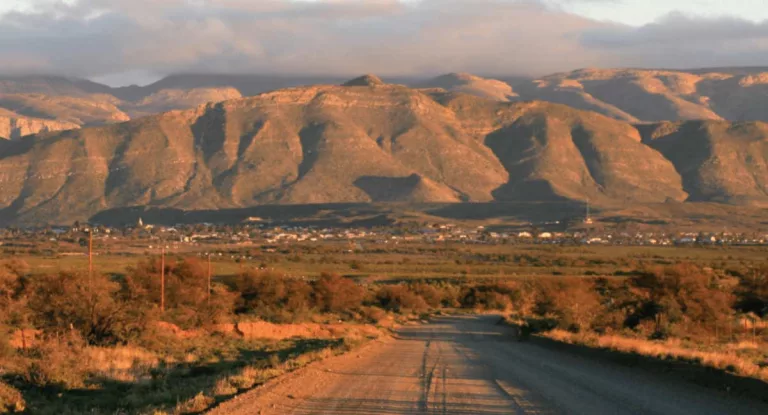
Picture/Prince Albert Tourism
Prince Albert
Tucked against the Swartberg Mountains, Prince Albert looks like a classic Karoo farming town at first glance. Spend a day here, however, and its layered personality begins to reveal itself. This is a place where artists, writers and chefs have quietly settled, drawn by the light, space and slower rhythm of life.
Historic cottages double as galleries, farm stalls stock local olive oil and figs, and the surrounding landscape invites long walks and thoughtful pauses. Prince Albert is not flashy, but it has depth, and that is precisely its appeal.
McGregor and Greyton
These neighbouring villages in the Breede River Valley offer a gentle kind of cool that feels increasingly rare. McGregor leans bohemian, with whitewashed cottages, meditation retreats and a strong arts scene. Greyton, by contrast, is leafy and orderly, known for its oak-lined streets, Saturday market and heritage architecture.
The real magic lies in how close these two towns are. The Boesmanskloof ihiking trail links them on foot, making it possible to walk between two entirely different village personalities in a single weekend.
Wilderness areas that feel genuinely wild
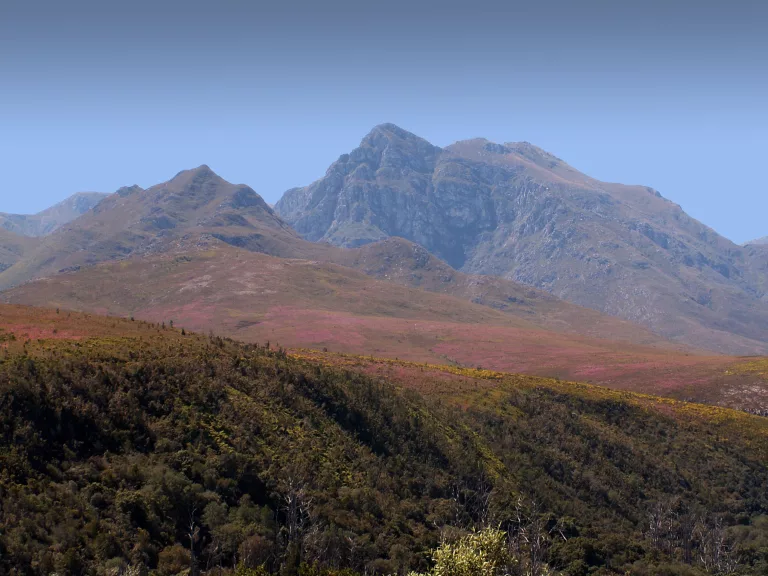
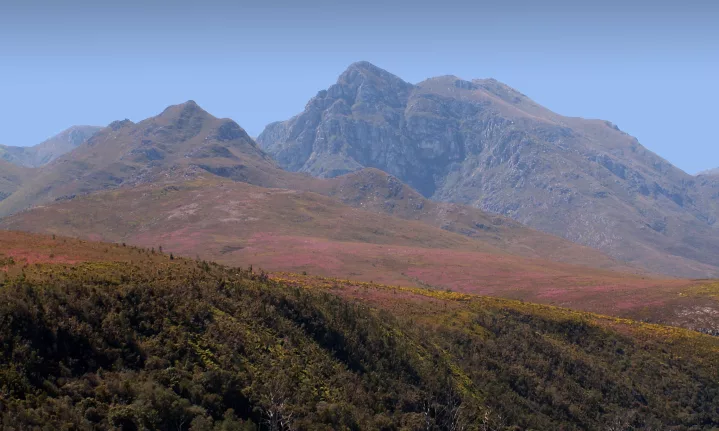
Boosmansbos Wilderness Area, with Grootberg in the background/Winfried Bruenken (Amrum)/Wikimedia Commons
Boosmansbos Wilderness Area
If you are looking for solitude rather than scenery served on a platter, Boosmansbos delivers. This protected wilderness in the Langeberg mountains is dense, remote and demanding. Trails lead through indigenous forest, steep gorges and mist-covered ridges, rewarding effort with a sense of total disconnection.
This is not a place for casual strolls or social media check-ins. It is for hikers who want to earn their views and feel the weight of silence settle in around them.
Matjiesrivier Nature Reserve and the edge of the Cederberg
View this post on Instagram
The Cederberg often steals the spotlight, but its lesser-known fringes hold just as much intrigue. Matjiesrivier Nature Reserve sits on this rugged edge, offering dramatic rock formations, fynbos plains and access to ancient San rock art sites.
It is a landscape shaped by time rather than trends, where the absence of crowds allows the environment to speak for itself. Even seasoned Western Cape travellers are often surprised by how raw and otherworldly this area feels.
Coastal places that resist polish

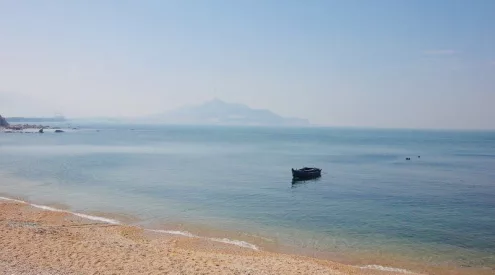
Fishing boats on Paternoster beach/Mike Lomax/Wikimedia Commons
Paternoster
Paternoster has gained popularity in recent years, yet it still manages to feel grounded in its fishing village roots. Whitewashed cottages line the shore, but the rhythm of life remains tied to the sea.
Early morning walks along the beach, the smell of braaied fish and long lunches centred on locally caught seafood define the experience. It is cool not because it is curated, but because it is authentic.
Hotagterklip

Fisherman’s Cottages, Hotageterkilp, Struisbaai/Andrew Hall/Wikimedia Commons
Just outside Struisbaai, Hotagterklip is a tiny heritage fishing settlement that feels frozen in time. Stone cottages sit close to the shoreline, and the coastline is rugged rather than groomed.
There are no big attractions here, and that is the point. Hotagterklip appeals to travellers who find beauty in simplicity and value places that have resisted reinvention.
Elands Bay
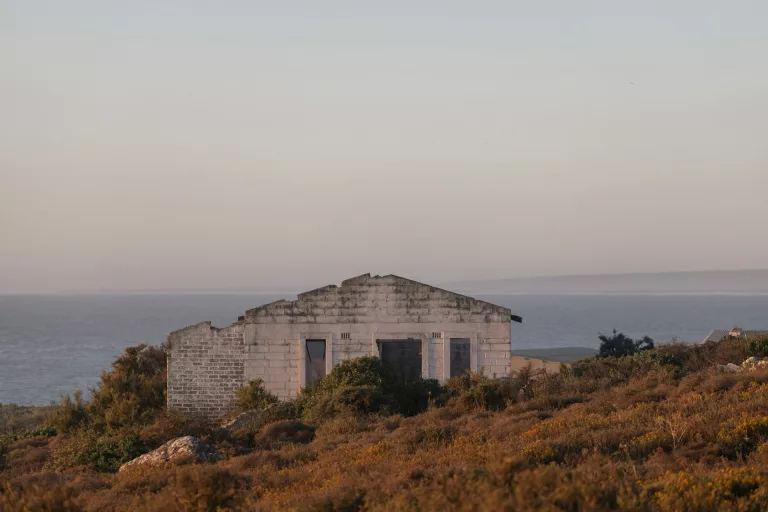
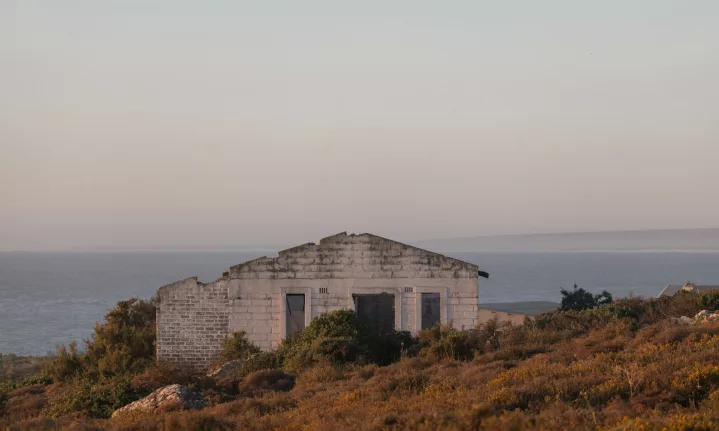
An old labour house building in Eland’s Bay/Asher Pardey/Unsplash
Elands Bay is best known among surfers, who come for its legendary left-hand break. Beyond the waves, however, lies a windswept village with rich birdlife, open beaches and nearby rock art sites.
It is a place where days revolve around tides and light, not itineraries. For those who prefer their coastal escapes quiet and elemental, Elands Bay delivers in spades.
The West Coast’s quieter pleasures

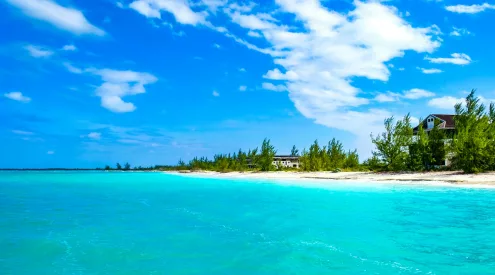
Kraalbaai Beach/Raita Futo from Tokyo, Japan/Wikimedia Commons
Kraalbaai in West Coast National Park
While West Coast National Park attracts large numbers during flower season, Kraalbaai remains one of its calmer corners. The sheltered lagoon offers warm, shallow water ideal for kayaking and paddleboarding, with white sand that feels almost tropical on a still day.
Arriving early or visiting outside peak season reveals a softer, more contemplative side of the park that many visitors miss.
Mountain passes and back-road magic

Bainskloof Pass
Bainskloof Pass
Bainskloof Pass is often treated as a route rather than a destination, but that would be a mistake. This historic mountain pass between Wellington and Ceres offers waterfalls, rock pools and dramatic viewpoints that invite lingering.
It is the kind of road where the journey truly matters, especially after winter rains when the landscape comes alive with flowing water and fresh green growth.
Local secrets on the edges of the city
Oudekraal Beach
Just minutes from Cape Town’s city bowl, Oudekraal feels surprisingly remote. Hidden coves, boulder-strewn shorelines and icy Atlantic water create an atmosphere far removed from busy urban beaches.
It is a reminder that even near major cities, the Western Cape still holds pockets of wildness for those willing to look beyond the obvious.
Tokai Forest’s quieter corners
While Tokai Forest is popular with walkers and cyclists, its lesser-used paths and tucked-away forest cafés offer moments of calm beneath towering trees. It is a softer, greener version of Cape Town that rewards early starts and unhurried exploration.
Why these places can often fly under the radar
The common thread linking these destinations is not trendiness or luxury, but restraint. These places do not shout for attention. They reveal themselves slowly, often to travellers willing to trade convenience for character.
In a province celebrated for its show-stopping highlights, the real cool factor often lies in the margins. The towns with stories rather than slogans. The landscapes that ask for patience. The coastlines that remain are shaped by wind and tide, not development.
For travellers seeking something more meaningful than a checklist, the Western Cape’s most rewarding experiences may well be hiding in plain sight.
Follow us on social media for more travel news, inspiration, and guides. You can also tag us to be featured.
TikTok | Instagram | Facebook | Twitter
ALSO READ: A taste of the land: Exploring South Africa through harvest season