





When South Africans think of beach breaks elsewhere in Africa, the same destinations often come to mind. Zanzibar. Mauritius. Seychelles. They are undeniably beautiful, but there is more beyond these popular wonders.
Africa’s coastline extends far beyond its islands, offering mainland beaches shaped by historic ports, fishing towns, surf culture and long stretches of sand where everyday life still plays out by the sea.
From the Indian Ocean to the Atlantic, these coastal destinations offer sand and salt without the island logistics. They are easier to reach, richer in layered history and often more affordable, making them ideal for travellers craving something new without losing that unmistakable beach feeling.
Why mainland coastal travel hits differently
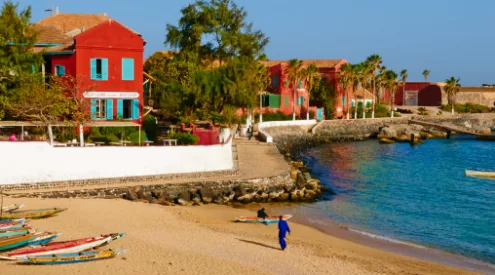
Mainland beach destinations tend to feel more grounded. Fishing boats share the shoreline with morning walkers. Markets spill towards the sea. Ports hum with movement. Instead of resort bubbles, you get working towns where beach time fits naturally into everyday life.
For South Africans used to road trips, coastal cities and seaside towns, these destinations feel intuitive rather than isolated. They are places to explore slowly, pairing ocean time with culture, food and local rhythm.
East Africa’s Indian Ocean coast beyond the islands

Kenya’s coastal towns offer reef-protected beaches and Swahili culture
Diani Beach sits south of Mombasa and stretches for kilometres with soft white sand and calm swimming conditions. Coral reefs protect the shoreline, making it ideal for snorkelling and paddleboarding, while nearby Ukunda adds a distinctly local layer with markets, eateries and casual nightlife.
Further north, Watamu feels smaller and more nature-focused. Its marine national park shelters coral gardens, turtles and seasonal whale sharks. The town itself is relaxed and walkable, blending beach lodges with Italian-influenced cafés and Swahili heritage.
For those wanting fewer crowds, Tiwi Beach offers a quieter alternative. Shallow waters and a laid-back pace make it feel more like a coastal village than a resort hub.
These Kenyan coastal towns pair seamlessly with safari travel, making them ideal add-ons to trips through Tsavo or the Maasai Mara.
South Africa’s coastline proves the mainland beach can do it all

Ballito Beach, Ballito/Panashe Tarusenga/Unsplash
Durban and the KwaZulu-Natal coast deliver warm water and urban energy
Durban’s Golden Mile is one of Africa’s most accessible city beaches. Warm Indian Ocean waters allow for year-round swimming, while promenades, food stalls and surf culture keep the shoreline lively. Beyond the city, Umhlanga and Ballito offer polished seaside towns with tidal pools, coastal walks and easy beach access.
Further north, Sodwana Bay draws divers and nature lovers with its coral reefs and sense of remoteness. It feels worlds away from urban beaches yet remains firmly on the mainland.
The Western and Eastern Cape balance wild scenery with coastal towns

Camps Bay/Der Berzerker from Washington/Wikimedia Commons
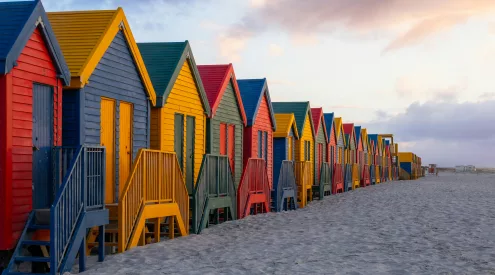
Cape Town’s beaches need little introduction, but their diversity is worth noting. Camps Bay and Clifton deliver postcard beauty, while Muizenberg brings surf culture and colourful charm. All are framed by mountains, making the city one of the most visually striking coastal destinations on the continent.
Along the Eastern Cape, the Wild Coast lives up to its name. Long beaches, rural villages and dramatic cliffs define towns like Port St Johns, where river meets ocean and development remains intentionally slow.
In Gqeberha, formerly Port Elizabeth, city beaches sit close to wildlife reserves, allowing travellers to combine ocean swims with game viewing in a single trip.
Morocco’s Atlantic coast blends beach life with history and surf culture

Essaouira beach/Peter Schulz/Unsplash
Historic port towns redefine the beach holiday
Morocco’s coastline faces both the Atlantic and the Mediterranean, but it is the Atlantic side that delivers the most character-rich beach towns.
Essaouira is a fortified port city where fishing boats line the harbour and sea spray drifts into the medina. Known for strong winds, it attracts surfers and kitesurfers while remaining deeply rooted in art, music and maritime history.
Further south, Agadir offers a long sandy beach backed by promenades and cafés. It is modern, sunny and relaxed, making it one of Morocco’s easiest coastal cities to settle into.
In Casablanca and Rabat, beaches exist alongside urban life. Oceanfront cafés, historic architecture and working ports give these cities a coastal feel without relying on tourism alone.
West Africa’s Atlantic beaches come with music, markets and memory

A beach in Kokrobite/Fkoku/Wikimedia Commons
Beach towns shaped by culture rather than resorts
Near Accra, Kokrobite is known for its creative energy. Drumming, dance and live music spill onto the beach, especially on weekends. It feels social, expressive and distinctly Ghanaian.
In Ivory Coast, Grand-Bassam combines beach access with colonial architecture and UNESCO-listed heritage. Its shoreline is relaxed, but its streets tell stories of trade, migration and cultural exchange.
Around Lagos, beaches like Tarkwa Bay and Badagry reveal a more local side of Nigeria’s coast. Fishing communities, beach bars and historical sites coexist, offering depth beyond sunbathing.
In Sierra Leone, beaches near Freetown such as Lumley and Tokeh remain surprisingly undeveloped, with warm Atlantic waters and a growing surf scene.
Central and West Africa’s quieter coastal corners
View this post on Instagram
Remote mainland beaches for slow travel
In Cameroon, Kribi is a working port town where waterfalls meet the ocean, and grilled fish is served straight from the fire. It feels low-key and authentic, ideal for travellers who prefer simplicity over spectacle.
Further south, Mayumba in Gabon stretches along an unspoilt Atlantic coastline known for turtle nesting. Long beaches, minimal infrastructure and a strong conservation focus make it one of Africa’s most underrated mainland coastal destinations.
Why mainland beaches deserve a spot on your travel radar
Island escapes promise isolation. Mainland coastal travel offers a connection. These destinations invite you into daily life shaped by tides, trade and tradition. They are places to eat seafood caught hours earlier, watch ports come alive at dawn and end the day with sand still on your feet as the town carries on around you.
For South Africans ready to move beyond the obvious, Africa’s mainland coast delivers beach holidays with substance, story and soul.
Follow us on social media for more travel news, inspiration, and guides. You can also tag us to be featured.
TikTok | Instagram | Facebook | Twitter
ALSO READ: Why more and more South Africans are travelling to Brazil this summer