



South Korea has confirmed that its controversial bear bile farming industry will officially come to an end in 2026, marking a significant step in animal welfare reform. However, around 200 bears remain confined in small pens, awaiting relocation to sanctuaries that are not yet fully in place.

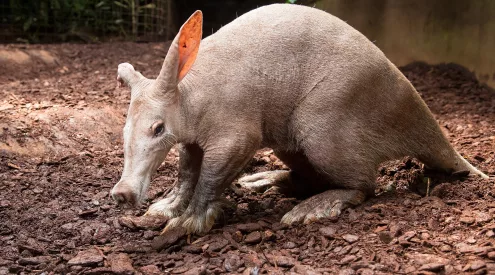
Image used for illustrative purposes/Isabel Lee/Unsplash
The Ministry of Climate, Energy and Environment announced that the breeding and possession of bears, as well as the extraction of their bile, will be banned from 1 January 2026, as reported by Euro News.
The move follows revisions to South Korea’s animal protection laws, which will impose prison sentences of up to five years on offenders.
South Korea is one of the few countries that has legally allowed bear bile farming, primarily involving Asiatic black bears, also known as moon bears. Their bile has traditionally been used in medicine and food products believed to enhance vitality and stamina.
The practice has steadily declined over the past two decades due to growing public awareness of animal cruelty, questions around its medicinal value, and the availability of cheaper pharmaceutical alternatives.
A long-planned ban
The ban stems from a 2022 agreement between government officials, bear farmers and animal rights groups to phase out the industry by 2026. Under the agreement, animal welfare organisations are responsible for purchasing bears from farmers, while the government is tasked with establishing facilities to house them.
The Environment Ministry said farmers would be given a six-month grace period after the ban takes effect, but any further extraction of bile would be prosecuted. The government will also provide financial support to farmers while bears remain in their care before being transferred.
“Our plan to end the bear farming business is an implementation of our country’s resolve to improve the welfare of wild animals and fulfil our international responsibility,” said Environment Minister Kim Sung-hwan. “We will strive to protect bears until the last one.”
Farmers voice concern
Some farmers have criticised the policy, saying it has left them financially vulnerable. Kim Kwang-soo, who raises 78 bears in the southern city of Dangjin, said many farmers were forced to sell their animals at extremely low prices due to economic pressure.
He described the ban as “a very bad policy” but said he would comply with the law.
Bear farming began in South Korea in the early 1980s, when bears were imported from Malaysia and other Southeast Asian countries. The industry has since been widely condemned for keeping bears in cramped, barren cages for their entire lives before slaughter.
An estimated 1,000 bears were kept on farms in 2014. Kim said many farmers have since sterilised their animals in exchange for government compensation, while others died naturally or were killed due to poor management and aggressive behaviour caused by overcrowding.
Calls for more sanctuaries
While animal rights groups have welcomed the ban, they warn that South Korea lacks sufficient facilities to care for the remaining bears.
The government’s sanctuary in Jeolla province can house up to 49 bears, although activists argue the number should be capped at 30 to ensure proper care. A second government-run facility, initially scheduled to open in April last year, has been delayed until 2027 after flood damage.
Kang Jae-won of the Korea Animal Welfare Association said activists are now in talks with foreign zoos to relocate some of the rescued bears.
“It’s positive that the government is ending the bear bile industry, but it’s disappointing that there aren’t enough measures in place to protect the bears,” said Cheon Jin-kyung, head of Korea Animal Rights Advocates. “There simply aren’t enough places for them to go.”
Sangkyung Lee, campaign manager at Humane World for Animals Korea, urged the government to accelerate the removal of the remaining bears and support the creation of private sanctuaries.
“These animals deserve a life of peace and relative freedom in natural surroundings, without further delay,” she said.
Follow us on social media for more travel news, inspiration, and guides. You can also tag us to be featured.
TikTok | Instagram | Facebook | Twitter
ALSO READ: Farewell to a giant: Amboseli’s iconic tusker Craig dies at 54