





South Africa is famous for its Big Five, but some of the country’s most rewarding wildlife encounters involve species that are far harder to find.
From nocturnal aardvarks and graceful servals to tiny forest antelope and playful otters, these elusive animals require patience, a bit of luck, and often an early start or late-night adventure.
While sightings are never guaranteed, the destinations below offer some of the best chances of spotting wildlife that many travellers never get to see.
Karoo National Park, Western Cape

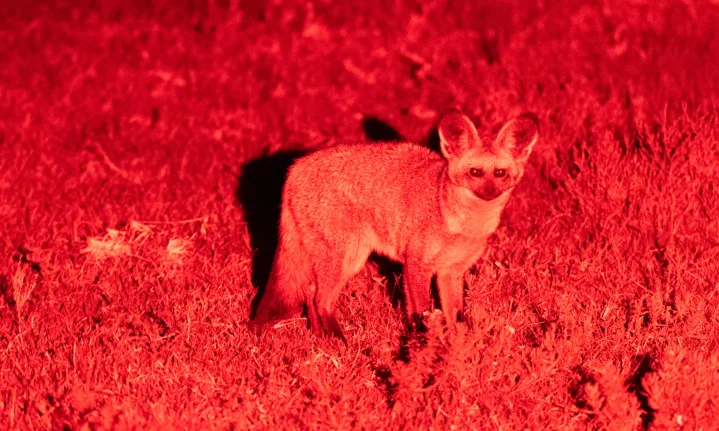
Bat-eared fox at night/Eric Kilby/Wikimedia Commons
Aardvark, aardwolf and bat-eared fox
For wildlife enthusiasts, Karoo National Park is one of the best places in South Africa to search for members of the so-called “Shy Five.” The vast semi-arid plains provide ideal habitat for aardvarks, aardwolves, and bat-eared foxes, all of which are primarily active after dark.
Joining one of the park’s guided night drives dramatically improves your chances of spotting these secretive mammals. While aardvark sightings remain rare, Karoo National Park is widely regarded as one of the country’s top places to spot them.
Kgalagadi Transfrontier Park, Northern Cape
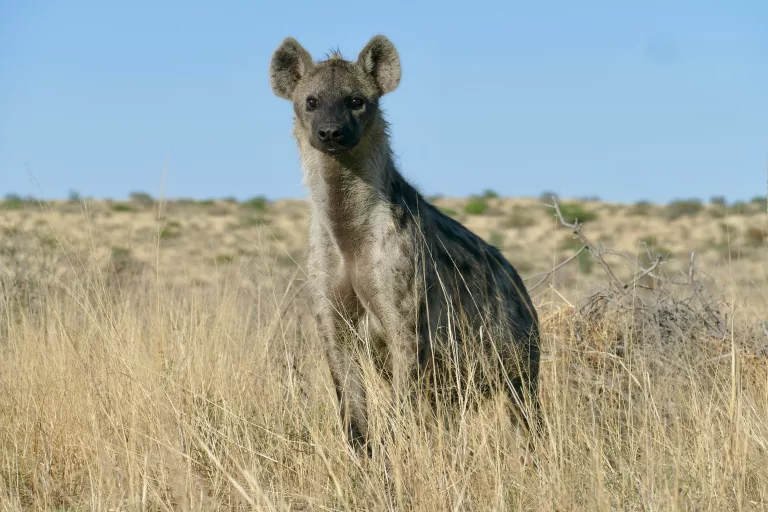
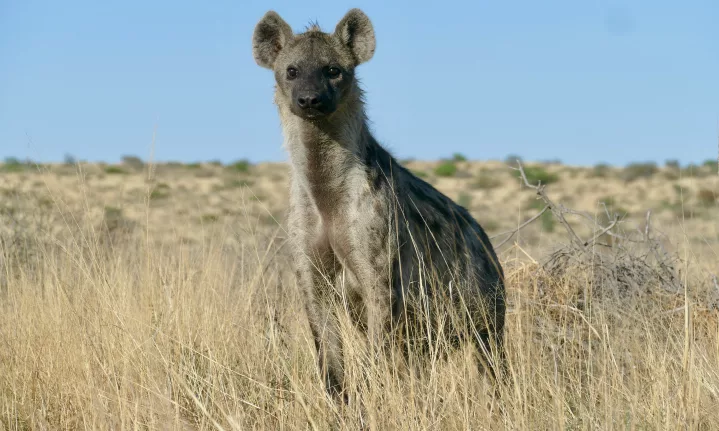
Spotted hyena at Nossob Riverbed, Kgalagadi Transfrontier Park/Bernard DUPONT from FRANCE/Wikimedia Commons
Bat-eared foxes and brown hyenas
The open red dunes of the Kgalagadi make wildlife easier to spot than in dense bushveld, and the park has earned a reputation as one of South Africa’s premier destinations for elusive predators.
Bat-eared foxes are regularly seen trotting across the dunes at sunrise and sunset, while patient visitors may also encounter brown hyenas, aardwolves, and African wild cats. Unlike many reserves, the sparse vegetation often allows for extended views of these normally shy animals.
Tsitsikamma National Park, Eastern Cape
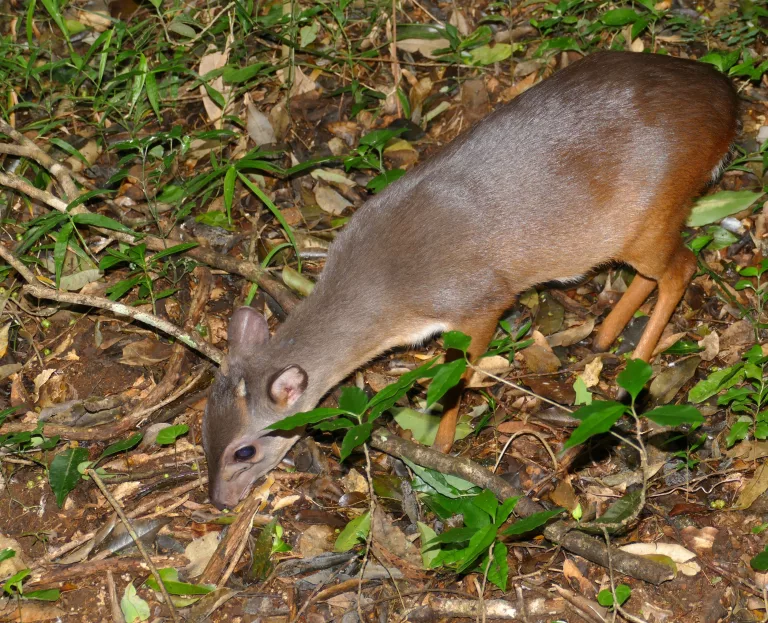
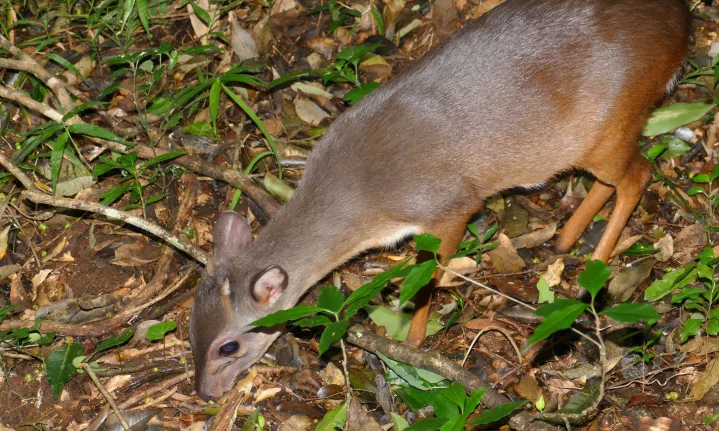
Blue duiker/Bernard DUPONT from FRANCE/Wikimedia Commons
Blue duiker
Standing a little more than 30cm tall at the shoulder, the blue duiker is South Africa’s smallest antelope and one of its easiest animals to overlook.
These tiny forest dwellers inhabit the indigenous forests of Tsitsikamma, where they quietly browse beneath dense vegetation. Early morning walks along forest trails offer the best opportunity for a sighting, although you’ll need to move slowly and keep a close eye on the undergrowth.
iSimangaliso Wetland Park, KwaZulu-Natal
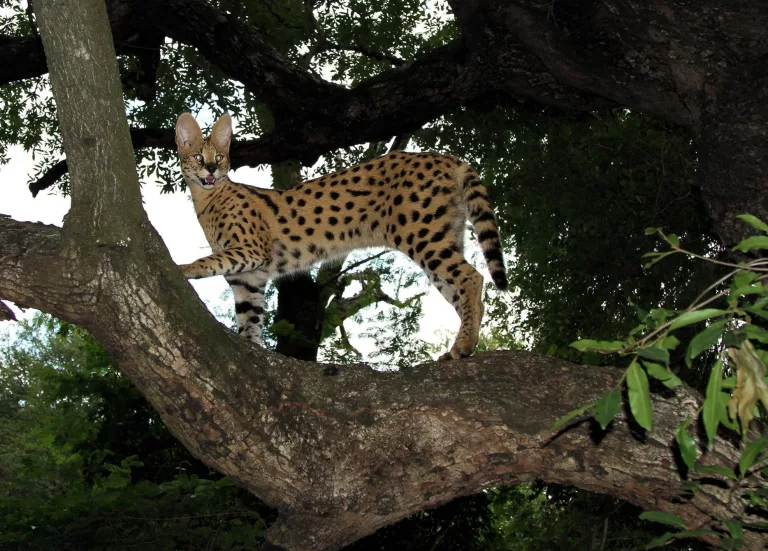
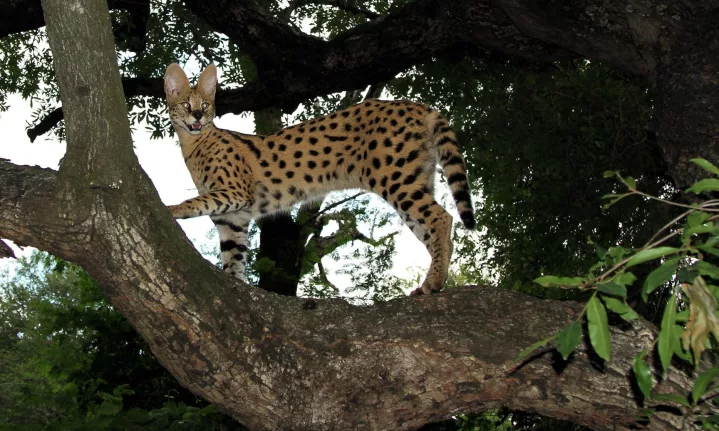
Image of serval used for illustrative purposes/Wynand Uys/Wikimedia Commons
Serval
With its exceptionally long legs and striking spotted coat, the serval is one of Africa’s most elegant wild cats. Despite its size, it remains surprisingly difficult to find.
The wetlands and grasslands of iSimangaliso provide excellent habitat, particularly around the park’s open floodplains. Dawn and dusk game drives offer the greatest chance of seeing one hunting rodents or birds in the long grass.
ALSO READ:
Beyond safari: Meet the new ‘big five’ on travellers’ wildlife wishlists
Hluhluwe-iMfolozi Park, KwaZulu-Natal
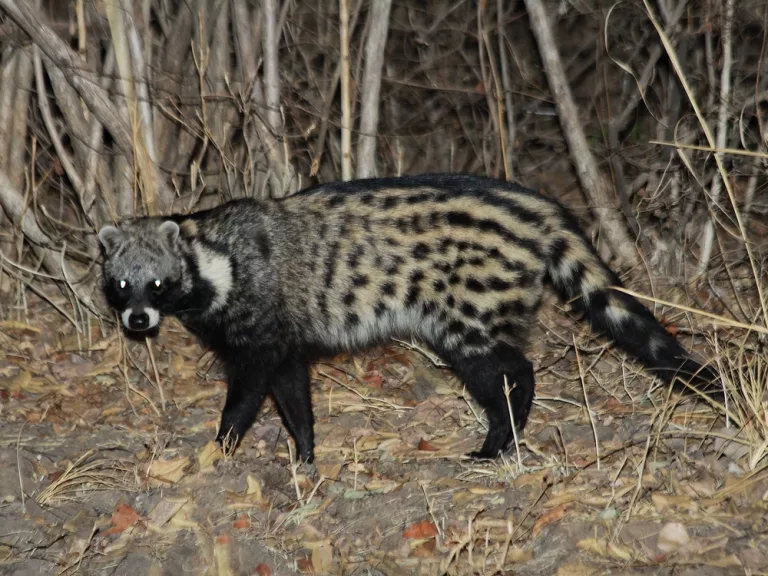
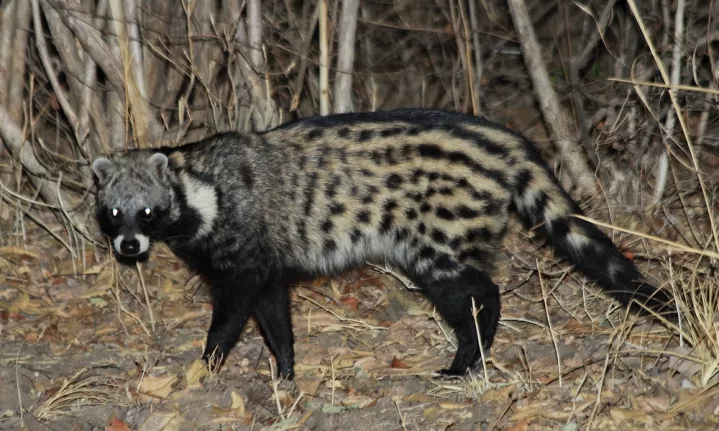
Image of African civet used for illustrative purposes/Michal Sloviak/Wikimedia Commons
Serval and African civet
Better known for rhinos and elephants, Hluhluwe-iMfolozi also rewards visitors who spend time looking beyond the headline species.
Servals occasionally appear in the park’s open grasslands, while guided evening drives may reveal African civets, genets, and other nocturnal mammals that remain hidden during the day.
Garden Route National Park, Western Cape
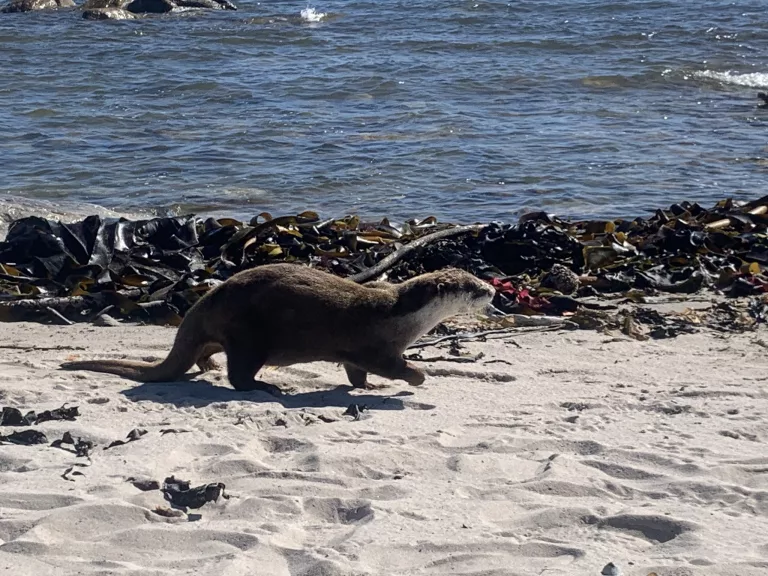
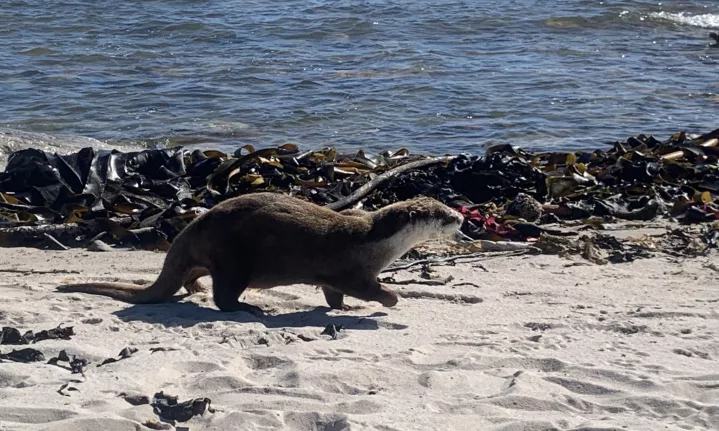
Cape clawless otter/Sam McCarren/Wikimedia Commons
Cape clawless otter
Africa’s largest freshwater otter can be found in several estuaries, rivers, and lagoons along the Garden Route, although sightings require patience and a little luck.
The waterways around Wilderness and Knysna are among the country’s best locations for spotting Cape clawless otters as they forage along riverbanks or swim through calm estuaries. Early mornings and quiet evenings typically produce the best results.
Cederberg Wilderness Area, Western Cape
Elusive mammals under dark skies
The rugged Cederberg is celebrated for its dramatic rock formations and hiking trails, but it is also home to an impressive collection of shy wildlife.
Aardvarks, bat-eared foxes, porcupines and Cape clawless otters all occur in the area, although most are active after sunset. Spending a night at one of the wilderness camps or joining a guided nature experience offers the greatest chance of an unforgettable encounter.
Mountain Zebra National Park, Eastern Cape
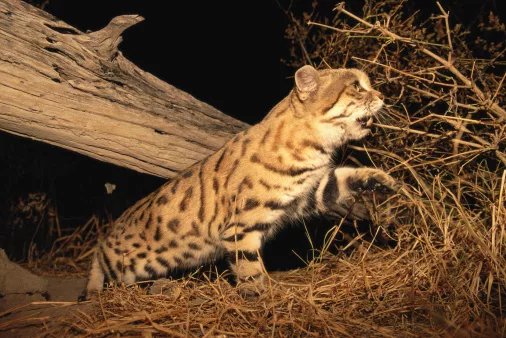
Image of black-footed cat used for illustrative purposes/By: Gallo Images-Dave Hamman/Stockbyte
Aardwolf and black-footed cat
Although famous for conserving the endangered Cape mountain zebra, this Eastern Cape park also protects some of South Africa’s most secretive carnivores.
Aardwolves are occasionally seen on night drives, while the elusive black-footed cat—Africa’s smallest wild cat—is present but exceptionally rare. Even experienced guides celebrate every sighting, making it one of the country’s ultimate wildlife prizes.
Mokala National Park, Northern Cape
Black-footed cat and nocturnal wildlife
Mokala’s open plains have become a favourite among wildlife photographers hoping to spot rare nocturnal mammals.
The park supports healthy populations of aardwolves, porcupines, bat-eared foxes and one of South Africa’s better chances of encountering the critically elusive black-footed cat. Guided sunset and night drives are highly recommended.
Tembe Elephant Park, KwaZulu-Natal
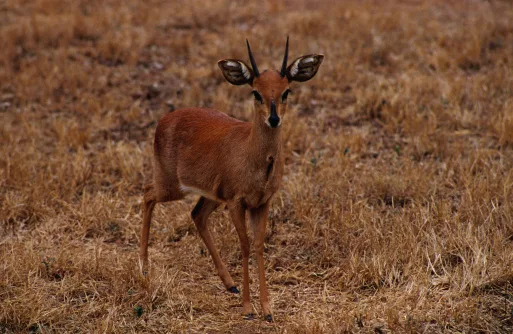
Image of suni antelope used for illustrative purposes/By: Richard I’Anson/Stone
Suni antelope
Hidden within the sand forests of northern KwaZulu-Natal lives one of South Africa’s smallest antelopes.
The shy suni prefers dense vegetation, making sightings uncommon even for regular visitors. While searching for elephants and other larger game, keep an eye on the forest edges where these tiny antelope occasionally emerge before disappearing back into cover.
Tips for spotting elusive wildlife
Timing is everything
Many elusive mammals are nocturnal or crepuscular, meaning they are most active around sunrise, sunset or after dark. Booking guided night drives can significantly improve your chances.
Slow down
Unlike searching for elephants or giraffes, spotting smaller mammals often means driving slowly, scanning carefully and stopping regularly to observe movement in the surrounding vegetation.
Trust your guide
Experienced field guides know where animals have recently been active and can identify subtle signs such as tracks, calls and fresh spoor that visitors often miss.
Pack binoculars
Many elusive species are small or well camouflaged. A good pair of binoculars can make the difference between spotting a blue duiker in the forest or walking straight past it.
Every sighting feels earned
Unlike the Big Five, elusive wildlife rarely announces its presence. Spotting an aardvark emerging at dusk, watching a Cape clawless otter slip through an estuary or catching a glimpse of a serval stalking through long grass feels all the more rewarding because it isn’t guaranteed. These quieter encounters remind us that South Africa’s wild spaces still hold plenty of surprises for travellers willing to slow down, look carefully and embrace the thrill of the unexpected.
Follow us on social media for more travel news, inspiration, and guides. You can also tag us to be featured.
Instagram | Facebook | Twitter | Spotify
ALSO READ:






_(51665425715).jpg)
_(46501840942).jpg)


