Two decades of second chances: Wildlife rescue centre in Vischkuil marks 20 years of saving animals

Posted on 12 March 2026 By Zaghrah Anthony

Two decades of second chances: Wildlife rescue centre in Vischkuil marks 20 years of saving animals

For two decades, a quiet corner of Vischkuil has been giving injured animals something priceless, a second chance at life.

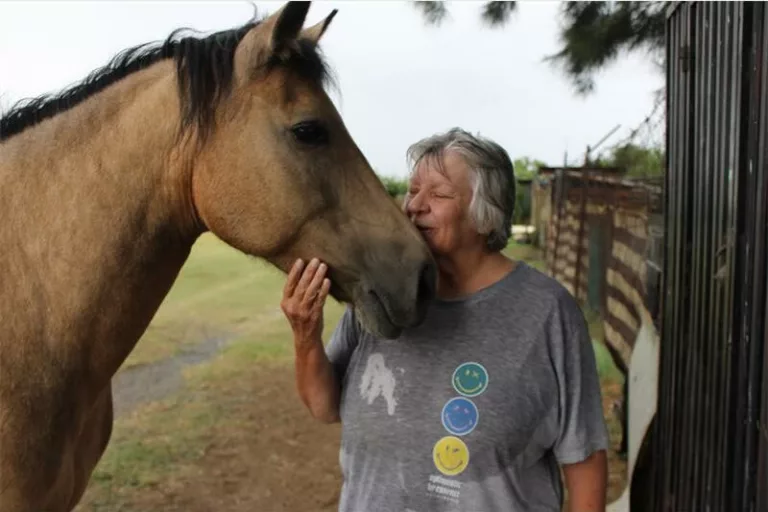
Queenie with the centre’s CEO Judy Davidson. Photo: Zamokuhle Ndawonde

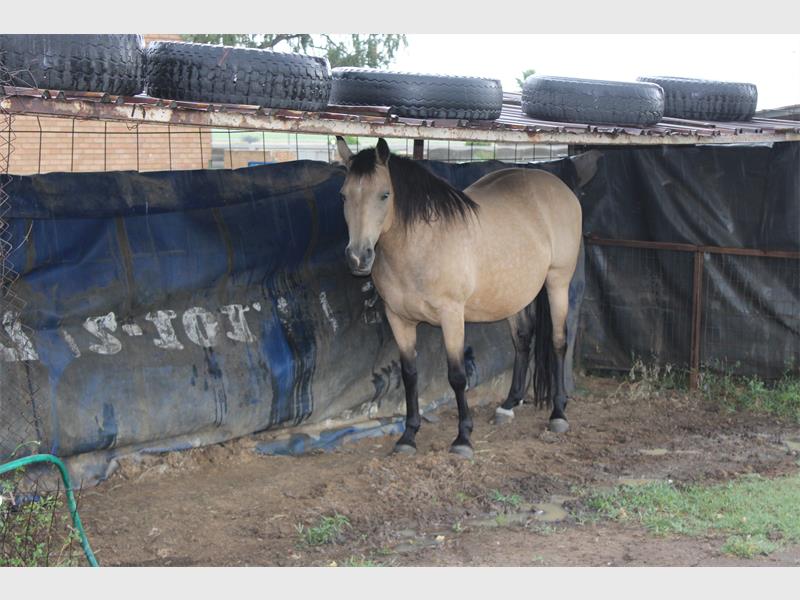
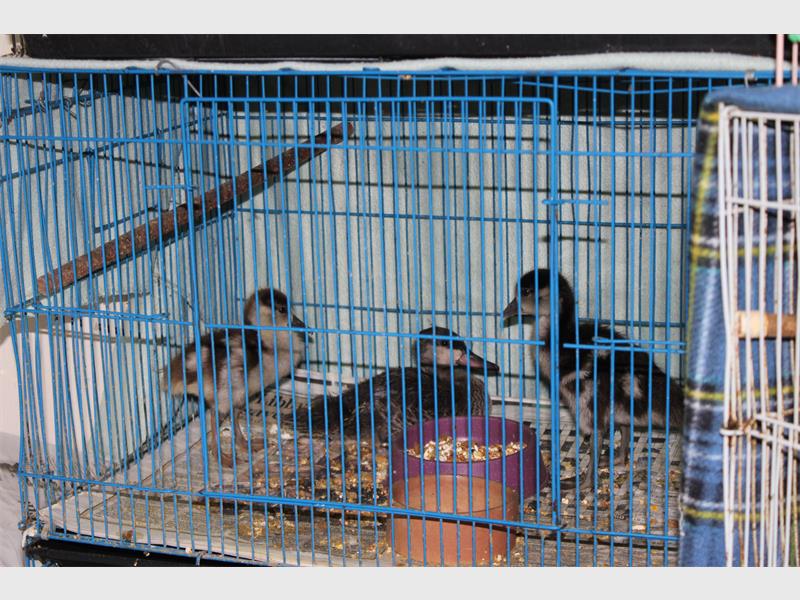
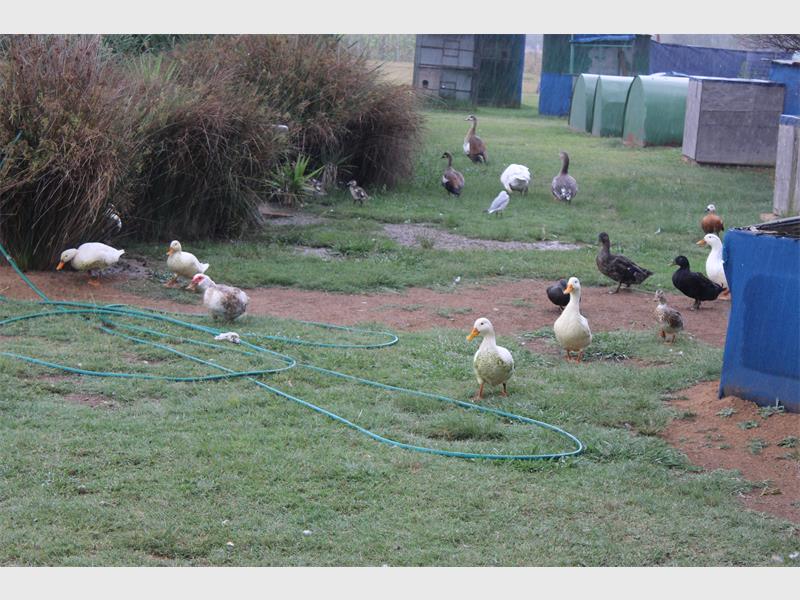
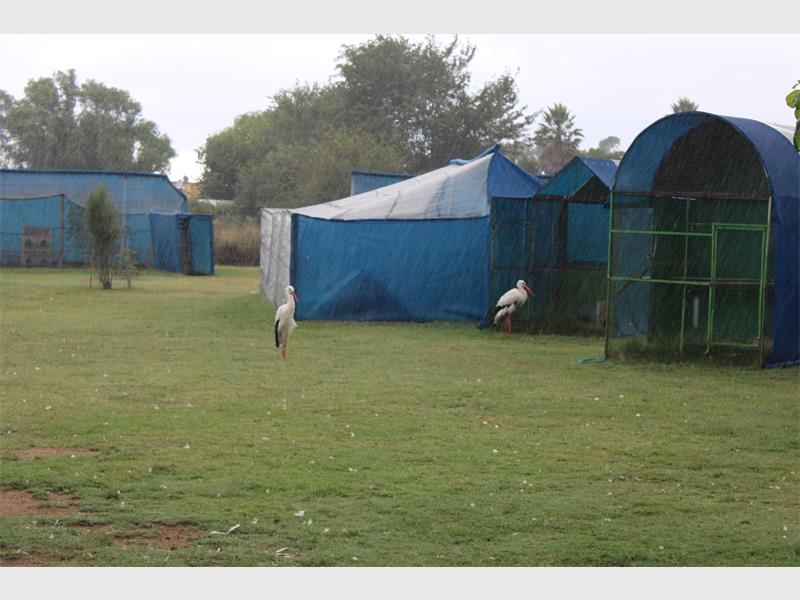
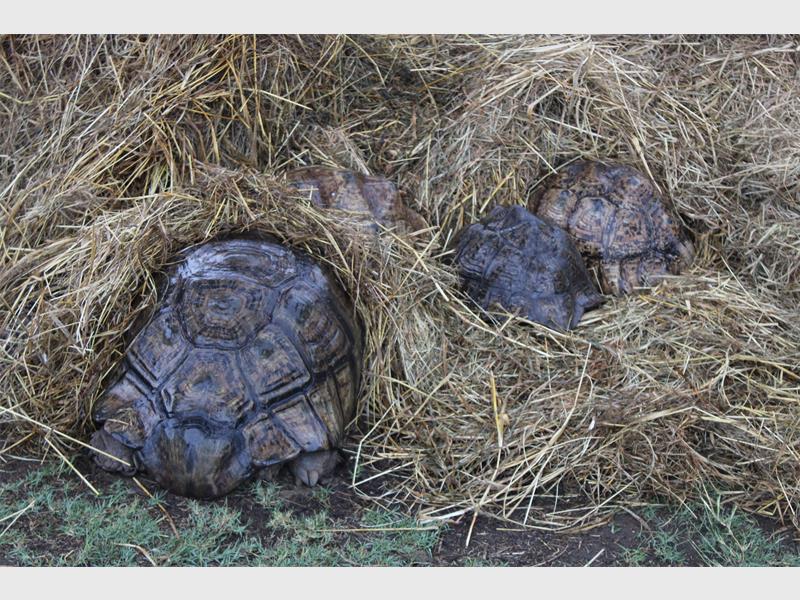
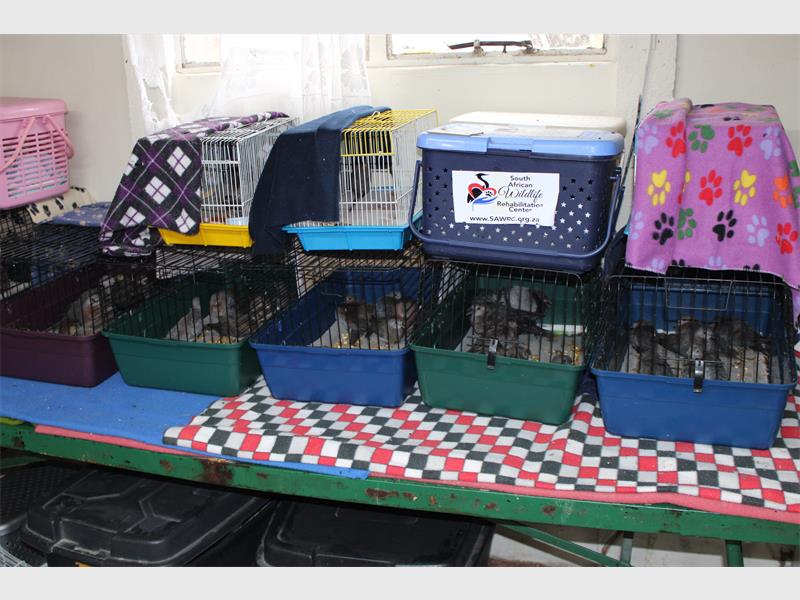
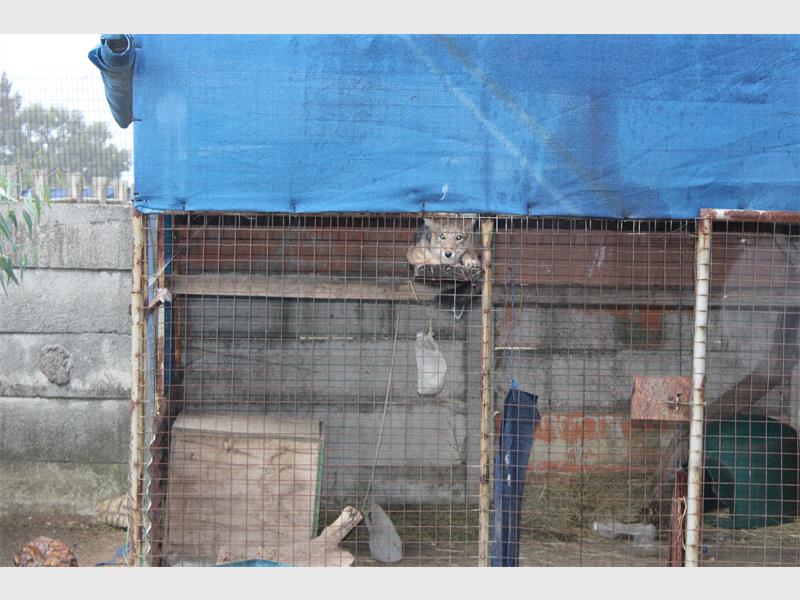
According to The Citizen ,this year, the South African Wildlife Rehabilitation Centre is celebrating 20 years of rescuing, treating and releasing animals back into the wild. What began as a small effort to help injured wildlife has grown into a vital sanctuary for animals ranging from birds and turtles to deer and even horses.

At the heart of it all is founder and CEO Judy Davidson, whose passion for animal care spans more than four decades.

A safe haven for injured wildlife

Located in Vischkuil, the centre has become a lifeline for injured and vulnerable animals across the region.

When wildlife arrives at the facility, the goal is always the same: rehabilitate and release.

According to Davidson, the centre usually has about six months to help an animal recover before it can safely return to its natural habitat. But nature doesn’t always work on a strict timeline.

Some animals require more time to heal or adapt, and in those cases the centre applies for an extension permit from the Gauteng Department of Agriculture to continue caring for them.

Preparing animals for life in the wild

Releasing an animal back into the wild isn’t as simple as opening a cage door.

The process often involves careful preparation and monitoring. For animals that struggle to adapt to their natural surroundings, the centre uses a technique known as a “soft release.”

This involves placing the animal in a controlled environment, such as a game reserve, where it can gradually learn to fend for itself while still being monitored.

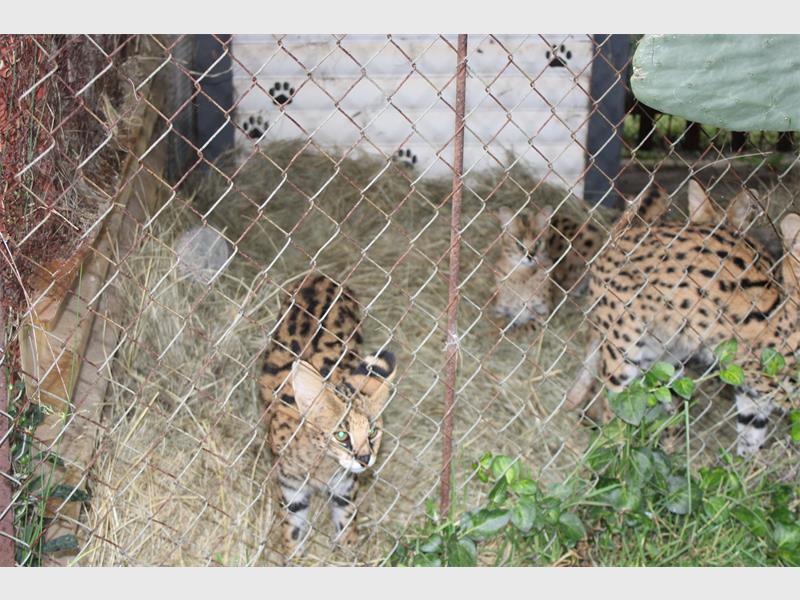
For members of the cat family, Davidson explains, the process can take up to eight months before they are ready to survive independently.

“We won’t release an animal until we know it’s ready,” she said. “Otherwise it would defeat the purpose of rehabilitation.”

Young animals receive special attention as well. Staff help teach them essential survival skills — from feeding habits to hunting techniques — that they would normally learn from their parents in the wild.

A labour of love and risk

Working with wildlife isn’t without its challenges.

Staff members must receive annual vaccinations for rabies and tetanus, a necessary precaution when working closely with animals that may bite or scratch during treatment.

For Davidson, however, the work is deeply rewarding.

She says anyone wanting to enter the field must have a genuine passion for animals — something that can’t be taught in a classroom.

After 41 years working with wildlife, she believes dedication and patience are just as important as technical skills.

Community support keeps the centre alive

Like many conservation initiatives in South Africa, the centre operates as a non-profit organisation and depends heavily on community support.

Donations, partnerships with other animal organisations and occasional fundraising events help keep the facility running.

Other wildlife groups frequently bring injured animals to the centre after discovering them in the field, creating a collaborative network of people working to protect wildlife across the region.

Social media love for local wildlife heroes

Stories of rescued animals from the centre often find their way onto social media, where animal lovers share photos and videos celebrating successful releases.

Posts showing rehabilitated birds taking flight again or rescued wildlife returning to their natural habitat frequently attract hundreds of supportive comments.

For many locals, the centre has become a symbol of hope — proof that ordinary people can make an extraordinary difference for animals in need.

How the public can help

Davidson says the public plays a crucial role in wildlife rescue.

If residents find an injured animal, acting quickly can save its life. The centre encourages people to contact them immediately so trained professionals can provide proper care.

The facility is located at 63 First Street in Vischkuil, and the team can be reached at 073 112 1131.

“Time is of the essence,” Davidson says. “The sooner we receive the animal, the better the chances of helping it recover.”

After 20 years, the centre’s mission remains unchanged: rescue, rehabilitate and release — giving wildlife the opportunity to return where it belongs.

{Source: The Citizen}

Follow us on social media for more travel news, inspiration, and guides. You can also tag us to be featured.

TikTok | Instagram Facebook Twitter


yoast-primary - 1004439
tcat - Wildlife
tcat_slug - wildlife
tcat2 - Wildlife
tcat2_slug - wildlife
tcat_final -