
Travelling is one of life’s greatest joys, but all too often, weeks of planning culminate in a blur that’s over far too soon, writes Zoë Erasmus.
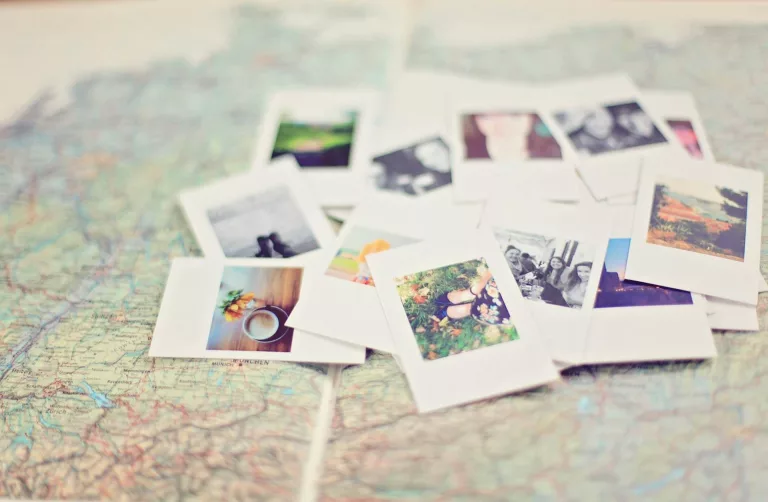
Leah Newhouse / Pexels
What if your journeys could feel longer, richer, and more meaningful without adding extra days to your itinerary? With a few intentional travel practices, you can expand your experience of time, deepen your memories, and return home feeling refreshed instead of rushed. Here’s how to make your trips feel longer — no matter how short they actually are.
1. Slow down your pace
One of the biggest culprits of the “time flew” feeling is trying to do too much. When you cram every hour with activities, your brain skims over experiences rather than savouring them. Instead of rushing from one attraction to another:
- Choose quality over quantity: visit fewer places, but give yourself time to really explore them.
- Spend full mornings or afternoons in a neighbourhood, café, or park.
- Take breaks — sit with your coffee, watch street life, and let your senses absorb the moment.
Slow travel isn’t about laziness; it’s about presence. When you’re present, your brain forms more detailed memories — and time feels more expansive.
2. Stay longer in one place
This idea might seem obvious, but its impact is profound: staying in one destination longer makes your trip feel more substantial. The first few days in a new place are when you absorb the most — the sights, sounds, rhythms, and textures are fresh. When you stay put:
- You build familiarity with your surroundings.
- Routines emerge — like favourite breakfast spots or market routes.
- You notice subtleties most travellers miss.
Even adding one extra night can change the tone of a trip from hurried to immersive.
3. Prioritise experiences over photos
Taking photos is a natural part of travel, but obsessing over pictures can pull you out of the moment. When you’re constantly framing a shot, your attention is half outside your experience.
Instead:
- Take a few meaningful photos — then put your camera away.
- Focus on how a place feels: the breeze on your skin, the scent of herbs at a market, laughter at a café.
Memories formed through sensory experience — not just visual documentation — tend to endure longer and feel fuller in hindsight.
4. Choose local, everyday experiences
Tourist sites are fun, but they’re not always time-stretching. What feels more authentic and memorable are local routines and ordinary moments. Seek out:
- A morning coffee at a local café where residents gather
- Markets buzzing with life
- Public transport trips alongside everyday commuters
- Parks where you can watch people and nature
These simple, grounded moments expand time because they aren’t rushed or filtered, they’re real.
5. Walk more, go slow
Walking changes the way we perceive a place. At walking speed, your senses are active, you notice textures on a building, snippets of conversation, the way light changes through a street.
Benefits of walking travel:
- You cover ground slowly enough to absorb surroundings.
- You stumble upon unexpected discoveries.
- Your brain processes richer detail, which stretches the sense of time.
Even in cities with great public transport, try exploring neighbourhoods on foot.
6. Journal or reflect each day
Writing, even briefly, helps anchor memories. When you articulate what you saw, felt, and learned, your trip becomes more layered and nuanced.
Try these prompts:
- What surprised me today?
- What’s a small detail I want to remember?
- How did this place make me feel?
Reflection doesn’t only happen in writing; you can also voice-memo, sketch, or simply take quiet moments before bed to revisit the day in your mind. Either way, you’re encoding memories in a way that makes them last.
7. Learn a little of the local language
Language opens doors. Even a few simple phrases do more than help you order food, they connect you with people and with deeper cultural layers.
When you make effort to speak with locals, even imperfectly, interactions feel warmer and more memorable. These small, human moments lengthen your travel narrative far more than another museum selfie.
8. Embrace unplanned time
Travellers often fear spontaneity because it feels “unproductive,” but unplanned time is precious:
- Wander without a map.
- Spend an afternoon reading in a park.
- Say yes to unexpected invitations.
Unscheduled hours give your brain the space to roam and create memories that structured itineraries never will.
Final thought
Travel doesn’t have to be a checklist. The trips that feel longest are those lived with intention, curiosity, and openness. By slowing down, connecting deeply, and embracing the ordinary, you stretch not just your itinerary — but your experience of time itself. Time may be finite, but memories don’t have to feel short.
Follow us on social media for more travel news, inspiration, and guides. You can also tag us to be featured.
TikTok | Instagram | Facebook | Twitter
ALSO READ: