


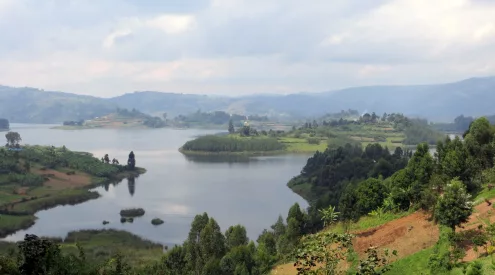
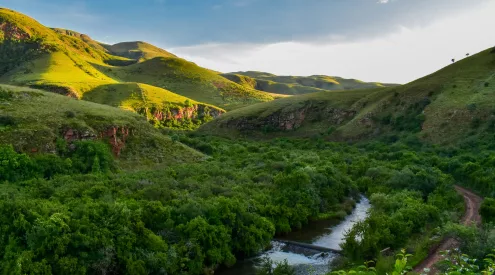

If you have ever stepped out of the car in a quiet Karoo town and felt the air hit differently, crisp, dry, almost startlingly clean, you are not imagining it. A new regional air quality report has confirmed what many travellers have quietly suspected for years: some corners of Southern Africa offer air that rivals the cleanest places on earth.
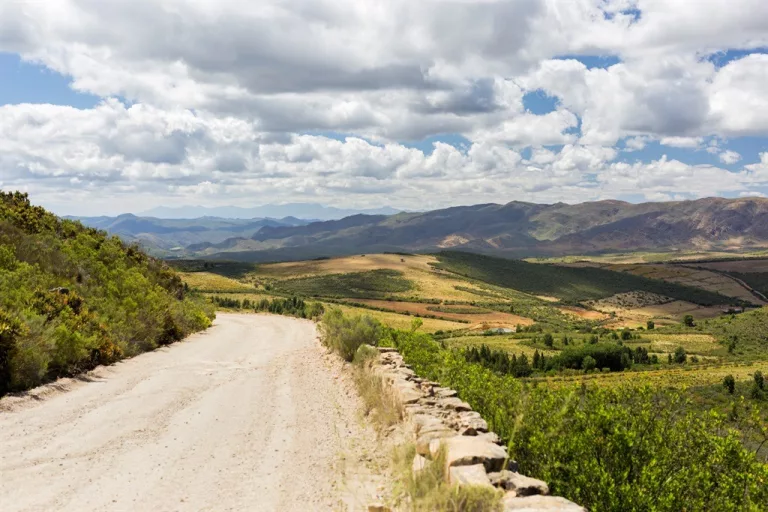
Source: News24
According to travelnews.africa, at a time when wellness travel is shaping how people choose their next trip, this kind of insight is becoming more than just interesting. It is becoming a deciding factor.
The science behind that fresh-air feeling
The report focuses on PM2.5, tiny particles in the air that are small enough to enter the lungs and bloodstream. Health experts consider it one of the most important measures of air quality. The global benchmark for clean air is set at just 5 micrograms per cubic metre.
Very few places anywhere in the world consistently meet that mark. This makes what is happening in parts of Southern Africa quietly remarkable.
The small-town surprise leading the pack
Tucked away in the Northern Cape, Nieuwoudtville has emerged as one of the cleanest places not just in the region, but globally. With readings around 1 microgram per cubic metre, it is the kind of place where the air feels almost untouched.
It is not flashy. There are no big-city lights or packed itineraries. But for travellers chasing wide skies, wildflowers, and that rare sense of stillness, it is exactly the point.
Worcester and Mossel Bay are also standing out, helped by lighter industry and coastal or semi-rural conditions. These are the kinds of places where you can spend a morning outdoors and actually feel the difference by lunchtime.
Coastal cities still holding their own
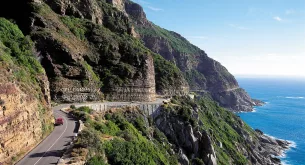
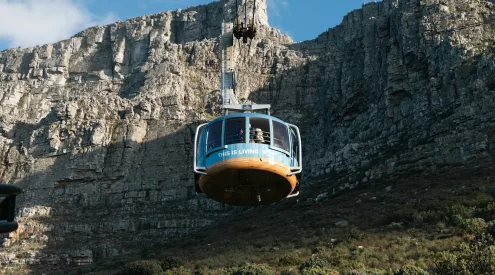
Even some of the region’s larger cities are managing to strike a balance. Cape Town benefits from consistent ocean winds that help clear pollutants, keeping conditions relatively moderate for a city of its size.
Further along the coast, Gqeberha offers a similar advantage. While still urban, it avoids the heavier pollution patterns seen inland, making it a quieter, cleaner alternative for travellers who want city comforts without the same environmental pressure.
The inland reality many locals already know
For those living in Johannesburg or travelling through Gauteng, the findings will not come as a shock. The region’s combination of traffic, industry, and seasonal weather patterns often traps pollution close to the ground.
Areas like the Vaal Triangle, Centurion, and Vereeniging consistently record higher levels. It is part of the trade-off that comes with being in the country’s economic engine room.
Across the border, Lusaka is facing similar pressures, driven by rapid growth and increasing vehicle use.
What travellers are saying
There has already been a quiet buzz online, especially among local travellers who are rethinking quick getaways. The idea of escaping Joburg for a weekend somewhere like the Northern Cape or the Garden Route is not new. But now there is a fresh reason behind it.
Clean air is becoming part of the appeal. Not just scenery or food, but how a place actually feels to be in.
Not the full picture, but a useful one
It is worth noting that not every country in the region is equally monitored. Namibia and Mozambique, for example, have fewer air quality tracking systems in place. That does not automatically mean cleaner or dirtier air, just that the data is less complete.
Season also plays a role. Dust, dry spells, and temperature shifts can change conditions quickly, even in typically clean areas.
Why this matters for travel right now
For most visitors, Southern Africa’s air will feel broadly similar to what they experience in major cities abroad. This is not about avoiding destinations. It is about understanding them better.
The real opportunity lies in how travellers plan their trips. A few days in a busy city, followed by time in a quieter, open landscape or along the coast, can completely change the experience.
As tourism continues to grow across the continent, destinations that protect their natural environment may find themselves standing out in new ways. Not just for what you can see, but for something you can feel with every breath.
Source: travelnews.africa
Follow us on social media for more travel news, inspiration, and guides. You can also tag us to be featured.
TikTok | Instagram | Facebook
ALSO READ:
Cabo Verde illness cases raise concern as tourism boom continues