


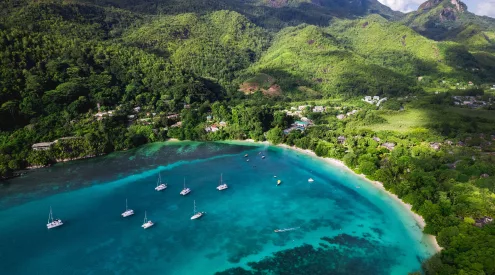

Escaped ornamental aquarium fish are becoming established in a Philippine lake, raising concerns among scientists about the long-term impact on native biodiversity and freshwater ecosystems, as reported by The Guardian.
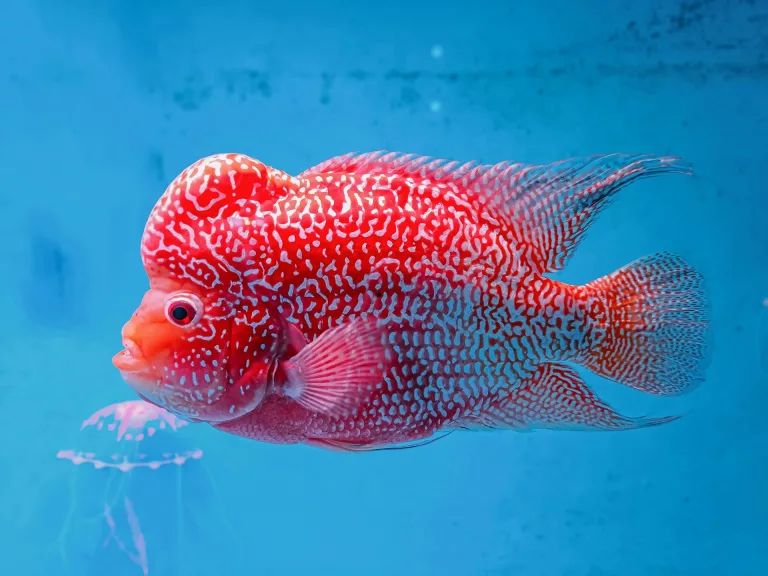
Image of flowerhorn used for illustrative purposes/Kartik Verma/Unsplash
Researchers say flowerhorn cichlids, brightly coloured hybrid fish bred for the aquarium trade, likely escaped breeding facilities into Lake Sampaloc, a volcanic crater lake in the Philippines, during a typhoon. Since then, the fish have adapted to the lake and are increasingly being integrated into local aquaculture.
A recent study by researchers from Ateneo de Manila University found that flowerhorns, like the farmed tilapia that dominate the lake, can tolerate poor water quality and challenging environmental conditions. Some fish that enter tilapia cages are kept and sold back into the ornamental fish trade, while others are intentionally released into the lake.
Scientists warn that this practice could further expand an already established invasive population.
The 104-hectare Lake Sampaloc is already under pressure from sewage, household runoff, aquaculture waste and plastic pollution, creating ideal conditions for hardy invasive species. Researchers say flowerhorn cichlids compete with native fish for food, shelter and breeding habitat.
Among the species at risk is the ayungin (silver perch), once common in the lake but now considered endangered by the International Union for Conservation of Nature (IUCN).
Experts say degraded ecosystems are often more susceptible to biological invasions. Generalist species such as cichlids are particularly adaptable, allowing them to establish themselves quickly in disturbed environments.
ALSO READ:
Researchers also highlighted potential public health concerns. Flowerhorns kept in captivity have previously been found carrying Paracapillaria philippinensis, a parasitic roundworm capable of infecting humans. Although the parasite has not been detected in Lake Sampaloc’s wild flowerhorn population, scientists advise against promoting the fish for human consumption.
Beyond the Philippines, the findings reflect a broader global conservation challenge. The movement and release of non-native species is recognised as one of the leading drivers of biodiversity loss worldwide, while climate change could increase the spread of invasive species by altering where aquaculture can take place.
To reduce future escapes, researchers recommend stronger fish pens, finer mesh netting, overflow barriers, regular inspections and community-based monitoring. They also suggest exploring the use of harvested invasive fish in aquafeed, provided they are first screened for pathogens and contaminants.
The researchers say protecting freshwater ecosystems will require collaboration between local communities, scientists and policymakers to limit the spread of invasive species and safeguard native biodiversity.
Follow us on social media for more travel news, inspiration, and guides. You can also tag us to be featured.
Instagram | Facebook | Twitter | Spotify
ALSO READ:
Five arrested in Malmesbury after alleged illegal pangolin sale