



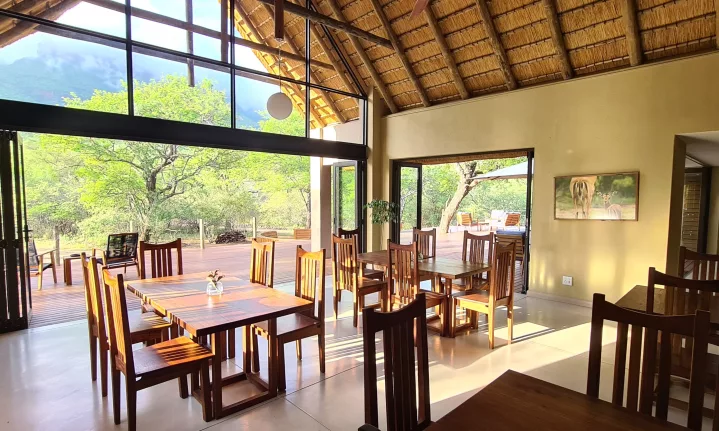
Women are playing an increasingly important role in Southern Africa’s hospitality industry.
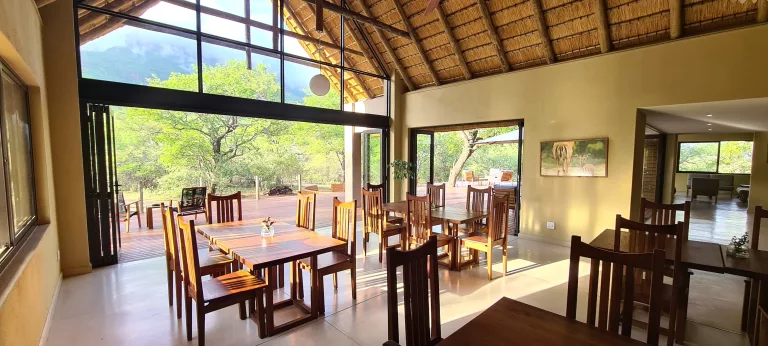
South Africa’s Women’s Month is a time to reflect on the progress women have made since the historic 1956 march, when around 20 000 women marched to the Union Buildings in protest against apartheid pass laws.
Today, that legacy can be seen in workplaces across the country, including the tourism and hospitality industry. From chefs and lodge managers to educators and hospitality trainers, women are building careers, leading teams and opening doors for the next generation.
Here are six women whose stories offer a glimpse into what that journey looks like.
From family recipes to safari kitchens
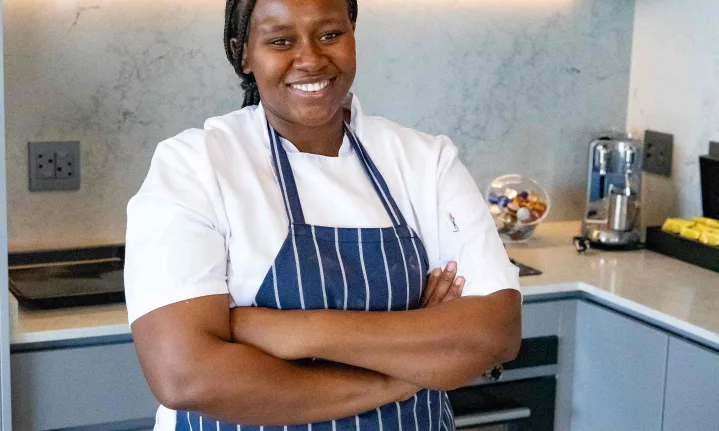
After school, Jessica Mhlanga could not afford to attend tertiary education. Encouraged by a mother figure in her life, however, she applied to the community selection for the Singita School of Cooking. Out of thousands of applicants, she was one of just 10 selected and the youngest woman in her intake.
Today, Jessica is a Sous Chef at one of Shiviko Kruger’s private villas, where her cooking includes traditional dishes such as oxtail prepared in potjie pots and mangwinya, the South African vetkoek she once made with her mother to help support their household.
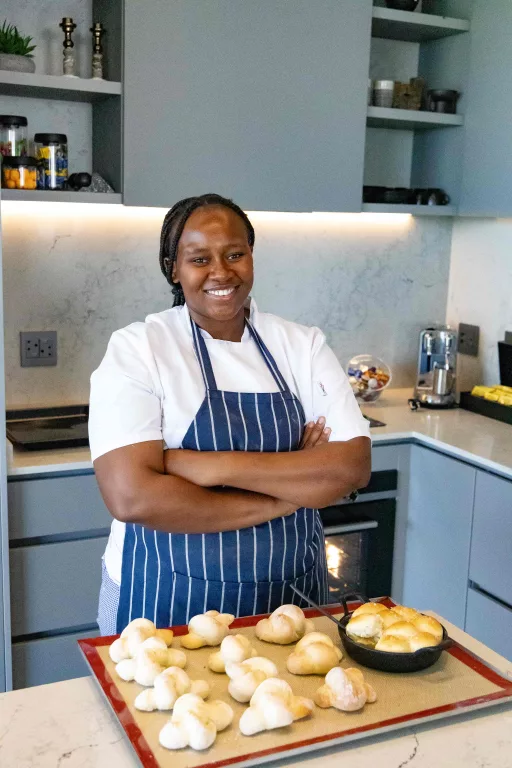
Jessica Mhlanga
For Jessica, working in a private villa is about much more than preparing good food.
“As a mother and a chef, being in a villa environment is one of my favourite things about Shiviko! The villa set-up allows you to understand your guests, build a relationship, anticipate requests and get to know them for who they are.”
At Thonga Beach Lodge, Head Chef Nomazulu Ndlovu has spent much of her career working in kitchens where men have traditionally made up most of the team. Family meals inspired her love of peanut sauces, while mussels foraged with her parents at low tide became another connection between food, family and place.
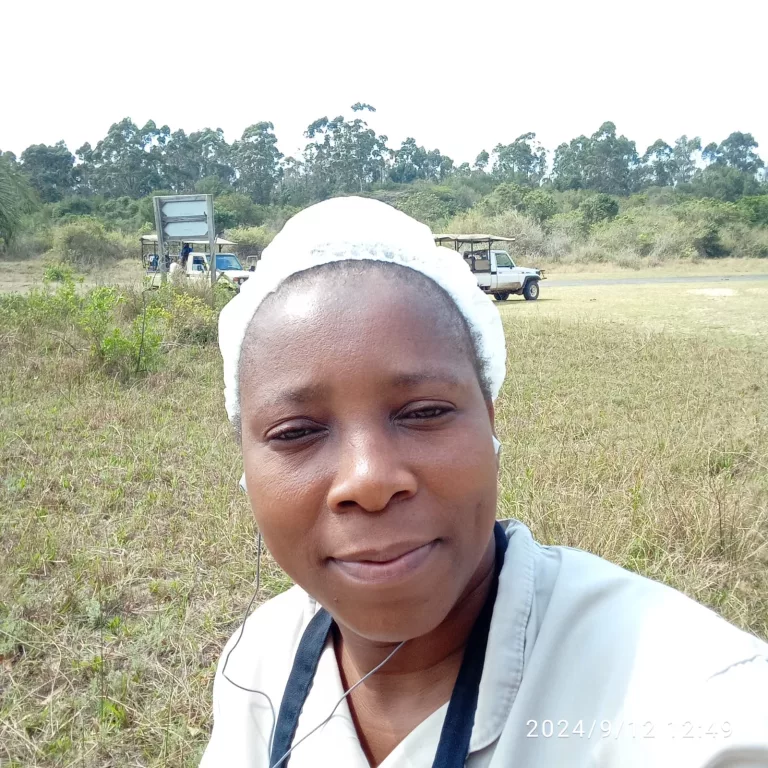
Nomazulu Ndlov
Nomazulu says she enjoys the hard work that comes with life in a professional kitchen, from learning new recipes to making sure her guests leave happy.
“I just want everyone to be happy, enjoy a meal cooked with love, and spread that happiness.”
The work guests don’t see
A safari holiday might look effortless from a guest’s perspective, but there is a huge amount of work happening behind the scenes. Anna Mugabe knows this better than most. As Lodge Manager at Tsowa Safari Island, she has at times been the only woman on an otherwise all-male team.
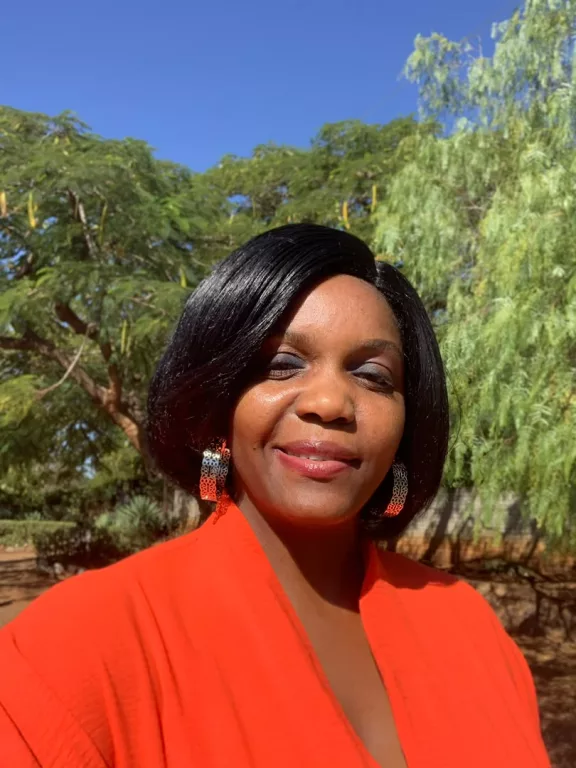
Anna Mugabe
She learned to balance firmness with care as she took on a leadership role, but says the dynamic changed when the lodge introduced a spa and more women joined the team.
“The energy changed. Having more women on the team brought new ideas and a nurturing touch.”
Anna also points to the often-invisible work involved in running a safari lodge.
“Guests only see the finished product. They don’t see the 05h00 wake-ups, coordinating five teams, and problem-solving behind the scenes. It’s 90% logistics so the 10% they experience feels effortless.”
At Cape Vulture Lodge, HR and Lodge Manager Lerato Maseko also sees leadership as something that extends far beyond a job title. She was involved from the beginning in building both the operational side of the lodge and the culture within its team. For Lerato, one of the most meaningful parts of the role has been seeing how her decisions can influence the people around her.
“It became real when I realised my decisions influenced not only the success of the lodge but the confidence and growth of the people I work with. As women, we often underestimate our impact. Real leadership is about lifting others as you grow.”
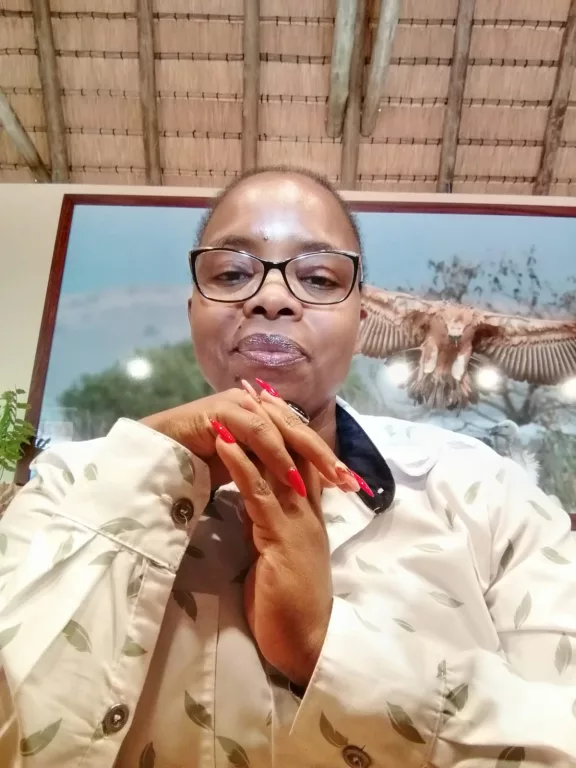
Lerato Maseko
Creating opportunities for the next generation
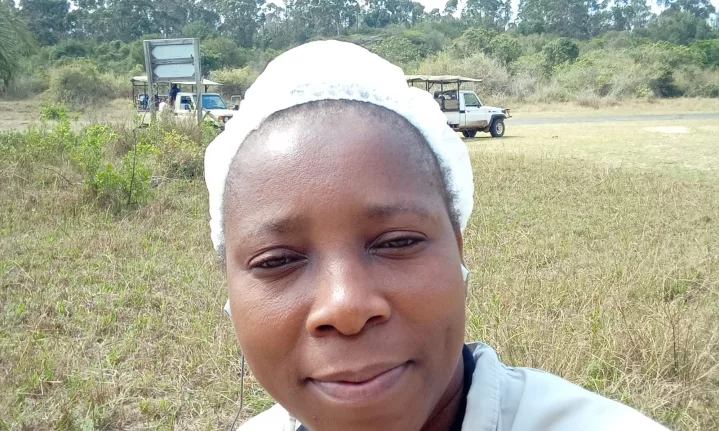
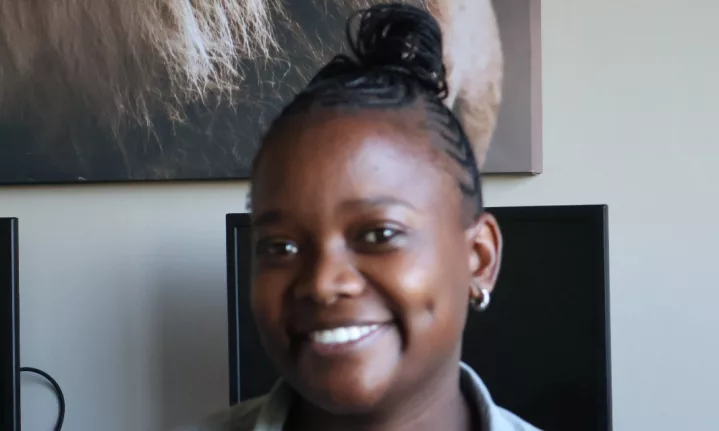
For some women working in hospitality, the biggest impact they can make is by helping others find their own way into the industry. At Rhino Ridge Safari Lodge, Sinethemba (Sne) Manqele teaches computer literacy through the Isibindi Foundation, helping local community members develop skills that can open up new opportunities.
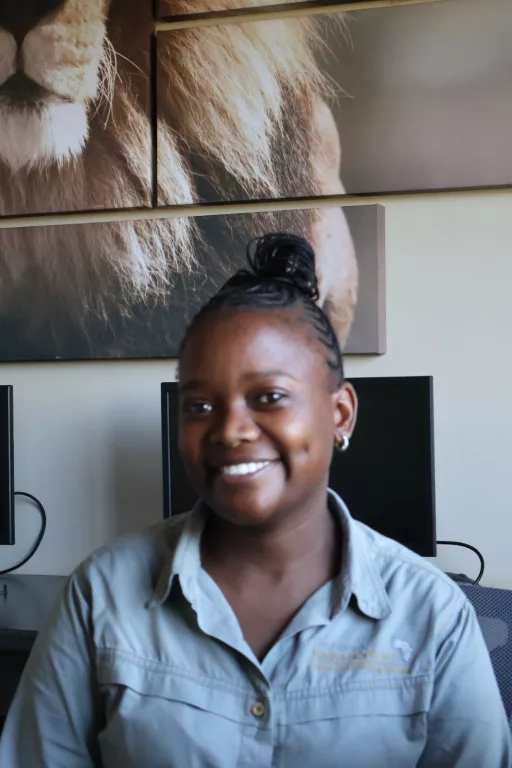
Sinethemba Manqele
The lessons start with the basics – even learning how to use a computer mouse.
“If you can’t use a computer at university, you’re left behind. We give them basic skills so they don’t struggle.”
One of Sne’s proudest moments came when a 52-year-old local woman went from struggling with the basics to confidently using an office computer. For Sne, seeing that transformation was a reminder of why community education matters.
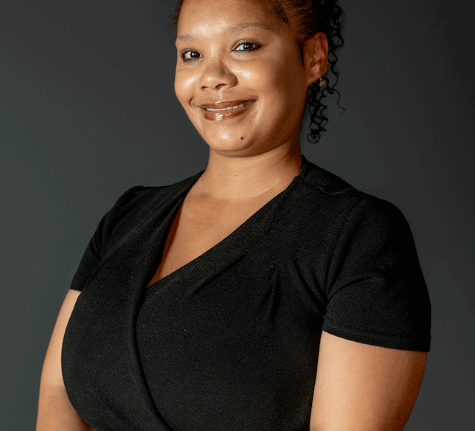
Monique Soulse knows what it is like to have a hospitality career delayed by circumstances outside her control. Her ambitions were put on hold until a scholarship in 2014 gave her the opportunity to study at the South African College for Tourism (SACT). From there, she worked her way up from an intern to Front Office Manager at Drostdy Hotel. In 2025, she returned to SACT as a Front Office Facilitator, this time training students on the same hotel floor where she once learned the ropes herself.
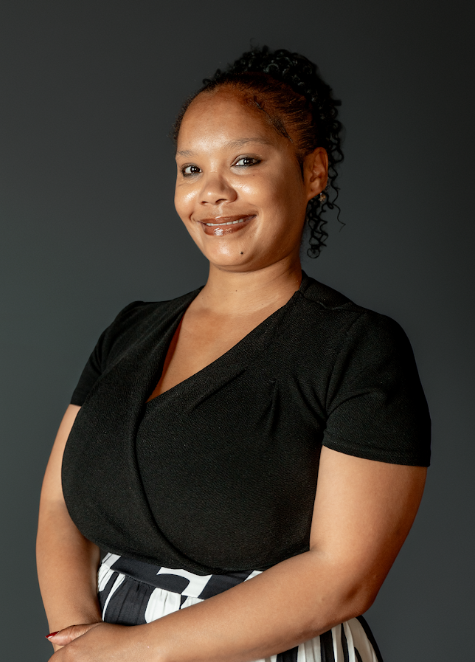
Monique Soulse
Looking back, she says every step of her career has played a role in getting her where she is today.
“Looking back on my journey, I am proud of how far I have come. From starting as a hospitality student, every role has contributed to my growth.”
Now, Monique sees something of her younger self in the students she teaches.
“When I look at my learners, I see my younger self. I want them to understand that where you start does not determine where you finish.”
ALSO SEE: Why more travellers are choosing a private villa over a traditional safari lodge
Why more travellers are choosing a private villa over a traditional safari lodge