



Food tours in South Africa offer a different way to experience the country. Instead of simply visiting a destination, you can taste your way through its history, culture and communities with the people who know them best.
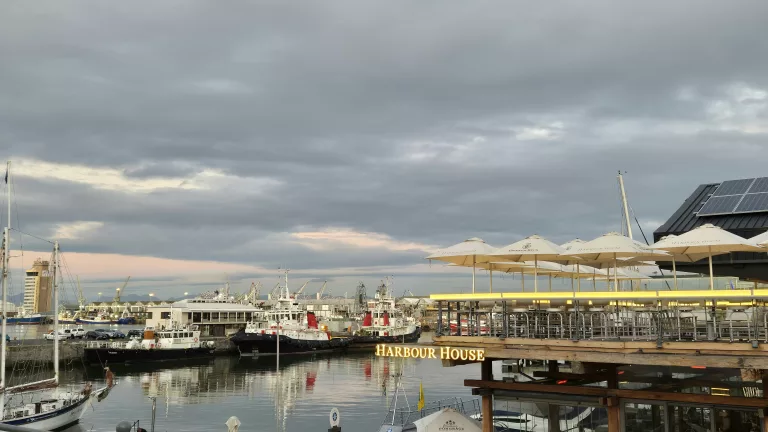
Photo by Nico Smit / Unsplash
South Africa is particularly good at this. Our food culture is layered, regional and deeply tied to our history. From Cape Malay cooking in Cape Town to bunny chow in Durban and township favourites in Soweto, some of the best ways to understand a destination are through the people who live there.
These local-led food experiences offer more than a meal. They give you a reason to slow down, ask questions and see a familiar place differently.
Bo-Kaap Roots, Cape Town
There are few places where food and history are as closely intertwined as Cape Town’s Bo-Kaap. Perched on the slopes of Signal Hill, the neighbourhood’s origins stretch back to the 1760s, when rental houses were built for enslaved people brought to the Cape from places including Southeast Asia and other parts of Africa. Today, Bo-Kaap remains an important centre of Cape Muslim heritage and culture.
The best way to experience it is with someone who actually knows the neighbourhood. Bo-Kaap Roots is run by local guides Bilqees Baker and Rafiq Jacobs, whose tours combine the area’s history with food, storytelling and experiences hosted by members of the community. Depending on the tour, you can walk through the neighbourhood, visit the Auwal Mosque, hear personal stories, stop for tea and traditional treats, enjoy a Cape Malay meal or take part in a cooking class in a local home.
The cooking experience is particularly worthwhile if you have always wondered what goes into the fragrant curries, samoosas, roti and koesiesters associated with Cape Malay cuisine. Rather than simply ordering a plate in a restaurant, you get to see how food is prepared and hear the stories that travel with the recipes.
And when you have finished eating, stay awhile. Explore the Bo-Kaap Museum, wander the steep cobbled streets, look out for the neighbourhood’s colourful houses and visit the local spice shops. Cape Town Tourism also recommends exploring the area’s mosques, kramats, food and craft markets. The important distinction here is that the neighbourhood is not simply being presented as a backdrop. Bo-Kaap Roots says its experiences support residents directly and give local people a platform to tell their own stories.
Why go: For an experience where the meal is inseparable from the history of the people who made it.
Taste of Africa, Durban
Durban is one of South Africa’s great food cities, and you could spend days eating your way through it. Its culinary identity is closely connected to the city’s Indian community. The first indentured Indian labourers arrived in Durban in 1860, and by the late 19th century Indian immigrants were involved in agriculture, food production, trading and other businesses. Durban is now home to South Africa’s largest Indian population.
That history is one reason Durban’s food feels so distinctive. Honest Travel Experience’s Taste of Africa food experience takes visitors into the city with a local guide, using public transport and stopping at a market and local food spots. The experience includes bunny chow, other street food and traditional dishes, with an optional drumming experience.
The operator describes the experience as a mixture of Zulu and Indian influences. And yes, you should eat the bunny chow. There are several competing stories about its origins, but the dish itself is unmistakably Durban: a hollowed-out loaf filled with curry. South African History Online notes that one account links its beginnings to a Bania restaurant in Grey Street, while another suggests it developed as a practical way for migrant workers to carry vegetable curry for lunch.
The point of a food tour here is not simply to tick bunny chow off your list. It is to understand why Durban tastes the way it does. After the tour, spend more time in the city. Explore Victoria Street Market, walk through the CBD, visit the KwaMuhle Museum or head towards the beachfront. If you still have room, continue eating. Durban is not a city that expects you to leave hungry.
Why go: For a taste of the cultural meeting point between Zulu, Indian and other African influences that makes Durban so distinctive.
Soweto on Foot, Johannesburg
Soweto is one of those places where a guide can completely change the way you experience a destination. A drive through the township will show you the landmarks. Walking with someone who lives there can give you context.
Soweto on Foot was founded by local guide Lebo Mokoena in 2022 and offers walking experiences through the township that combine history, community and food. Its food-focused experience includes stops at local vendors and eateries, with traditional snacks and meals forming part of the walk. Expect everything from magwinya, also known as vetkoek, to traditional dishes, kota and food from local braai spots. The experience also takes in places such as Vilakazi Street and the Orlando area, allowing the food to sit alongside the much bigger story of Soweto.
That history is impossible to ignore. Vilakazi Street is associated with both Nelson Mandela and Archbishop Desmond Tutu, while the Hector Pieterson Memorial commemorates the 1976 Soweto Uprising. A food tour here works because it allows visitors to experience the township as a living community rather than only as a collection of historical sites. There is also something refreshingly ordinary about eating along the way. A kota from a local spot, a snack from a street vendor or a meal around a braai can tell you something about everyday Soweto that a museum display cannot.
Once the food tour is over, give yourself time for the major landmarks. Visit the Hector Pieterson Museum and Mandela House, walk around Vilakazi Street and take in the Orlando Towers. The Department of Tourism has increasingly highlighted township tourism as a way for visitors to spend directly within local economies, supporting small businesses, entrepreneurs and community initiatives.
Why go: Because some of the best stories of Soweto are found between the famous landmarks, over food and conversation.
The Franschhoek Food Tour
Franschhoek is hardly an undiscovered food destination, but there is a difference between booking a table and understanding why the valley became such a culinary heavyweight. The Franschhoek Food Tour is a four-hour small-group experience led by a local guide. It takes visitors through the village on foot, combining tastings at cafés, wine bars and other food spots with stories about the area’s history and culinary influences.
The valley’s French Huguenot history is central to the story. Huguenot settlers arrived in the area in 1688, and their influence remains part of Franschhoek’s identity. But the modern food culture is not simply French. The tour also highlights Cape-inspired dishes, Cape Malay flavours, local craft beverages and contemporary food.
Expect artisan coffee, baked treats, Cape-inspired plates, craft beer and wine, ending with sparkling wine overlooking the valley. The experience is deliberately small, with groups limited to 12 people.
Once you have finished eating, there is plenty to do. Visit the Huguenot Memorial Monument and museum, explore the village on foot or continue your wine-tasting adventure at one of the valley’s estates. And if you are staying overnight, do not rush away after dinner. Franschhoek is particularly good in the early morning, when the mountains are quieter and the village has not yet filled with day visitors.
Why go: For a polished food experience that still makes room for the history and people behind Franschhoek’s culinary reputation.
Taste of Africa, Johannesburg
Johannesburg’s food story is much bigger than braai and kota. In Yeoville, Honest Travel Experience’s Taste of Africa food tour introduces visitors to dishes from across the continent, with a local guide leading the way between restaurants. The experience includes foods from countries including Ghana, Nigeria and the Democratic Republic of Congo, among others.
This is a particularly good fit for travellers who want to understand Johannesburg as a modern African city rather than a collection of South African clichés. Yeoville has long been one of Johannesburg’s most cosmopolitan neighbourhoods, and the food reflects that. Instead of eating one version of “African food”, you can taste your way through several different culinary traditions in a single afternoon or evening.
The experience is designed around walking between restaurants, so come hungry. The operator specifically warns that the portions are generous.
There is plenty to add to the day, too. Explore Johannesburg’s inner city with a local guide, visit Constitution Hill, head to the Apartheid Museum or spend time in neighbourhoods such as Braamfontein and Newtown. The broader appeal of this type of tour is that it challenges the idea that you need to leave South Africa to experience the rest of Africa. Johannesburg’s immigrant communities have helped create a city where the continent’s cuisines meet, overlap and evolve.
Why go: To eat your way through a more contemporary, cosmopolitan side of Johannesburg.
Why local-led food experiences are worth seeking out
There is a temptation to think of a food tour as simply a more organised way of finding somewhere to eat. The better experiences offer something else. South Africa’s Department of Tourism describes gastronomy tourism as an activity that connects visitors with food, culinary products, culture, heritage and traditions. It also identifies the potential for these experiences to support jobs, local communities and small businesses.
That matters when choosing what to book. Look for experiences where local people are actually involved in telling the story, preparing the food or hosting visitors. Ask who benefits from the experience. Choose small groups where possible. And remember that neighbourhoods are homes first and tourist attractions second. The reward is usually a better travel experience anyway.
The final bite
South Africa does not need to manufacture food tourism. The stories are already here. They are in family kitchens, corner cafés, township stalls, spice shops, bakeries, markets and restaurants. They are in recipes passed between generations and dishes that emerged from migration, hardship, creativity and cultural exchange.
The trick is to find the people willing to share those stories. So, on your next trip, do not just ask where you should eat. Ask who can show you why people eat it.
That is where the real taste of a place begins.
Follow us on social media for more travel news, inspiration, and guides. You can also tag us to be featured.
Instagram | Facebook | Twitter | Spotify
ALSO READ:
Africa’s forgotten peninsulas that deserve a place on your travel list