






Four people have been arrested in Kenya as authorities investigate the deaths of 18 elephants in the Amboseli ecosystem, with preliminary findings pointing to possible poisoning.
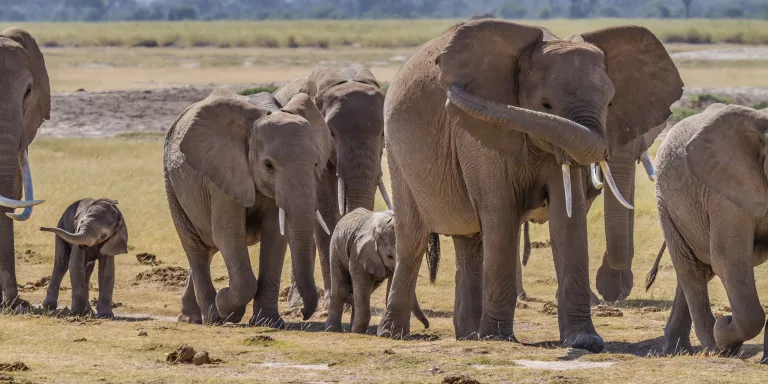
Elephant herd in Amboseli [image used for illustrative purposes]/Benh LIEU SONG from Torcy, France/Wikimedia Commons
The Kenya Wildlife Service (KWS) told the BBC that three Kenyan nationals and one Tanzanian national had been detained in connection with the deaths. The suspects have reportedly been released on bail while investigations continue.
The investigation centres on whether the elephants were exposed to cyanide after eating tomatoes contaminated with illegal or improperly used pesticides. Preliminary testing has detected traces of cyanide in samples taken from the elephants, while some of the animals reportedly showed signs of paralysis before dying.
Elephants died across the Amboseli ecosystem
The deaths were recorded in several parts of the Amboseli ecosystem between late June and July, with further fatalities bringing the reported total to 18.
The area includes Amboseli National Park and surrounding wildlife habitats, farms and community land. It forms part of an important movement corridor for elephants travelling between protected areas in southern Kenya and towards the Tanzanian border.
The region is also known for farming, particularly around Kimana, where elephants can come into contact with agricultural areas while searching for food and water.
According to the BBC, more than 2,000 elephants move through the wider Amboseli ecosystem.
ALSO READ:
Investigators are examining possible pesticide contamination
One of the main theories being investigated is that elephants consumed tomatoes carrying toxic pesticide residues.
Tomatoes were reportedly found in the stomach contents of some of the dead elephants, while laboratory tests detected cyanide. Authorities are still working to establish how the substance entered the food chain and whether the contamination was accidental or deliberate.
Investigators have also searched an area in Tikondo, Kimana, where they recovered several unlabelled substances and chemicals believed to have come from a neighbouring country. The materials have been secured for further scientific testing.
The findings remain preliminary, and officials have stressed that the presence of potentially toxic substances does not by itself establish who was responsible for the elephant deaths.
Human-wildlife conflict adds to the concern
The investigation comes against the backdrop of long-running tensions between wildlife and farmers around Amboseli.
Elephants regularly move between protected areas and agricultural land, where they can raid crops. The use, storage and disposal of agricultural chemicals in areas frequented by wildlife has therefore become an additional conservation concern.
Previous reports have also highlighted disagreement among local farmers over the theory that contaminated tomatoes caused the deaths. Some growers have questioned whether agricultural chemicals were responsible, underlining the need for further scientific testing before a definitive cause is established.
Investigation remains ongoing
Kenyan authorities have formed a multi-agency team involving wildlife, security, investigative and scientific agencies to establish what caused the deaths.
Officials are also investigating the possible source of the suspected toxic substance and whether the cases are connected.
The four people arrested are being treated as persons of interest, rather than having been found guilty of a crime. Tourism and Wildlife Cabinet Secretary Rebecca Miano has stressed that arrests and the recovery of chemicals do not, on their own, establish criminal responsibility.
Further laboratory analysis and investigation will be needed before authorities can determine exactly what killed the elephants and whether anyone should face prosecution.
Source: BBC, with additional reporting from Kenyan authorities and local news reports.
Follow us on social media for more travel news, inspiration, and guides. You can also tag us to be featured.
Instagram | Facebook | Twitter | Spotify
ALSO READ:





.jpg)