
South Africa has never been short of reasons to travel. But over the past year, some of the country’s most familiar places have had to close their doors, repair what was damaged and, in some cases, rethink how they welcome visitors.
James Lee / Unsplash
Floods have washed away roads and bridges. Rockfalls have cut off attractions. Ageing infrastructure has needed attention. And some much-loved hotels and landmarks have temporarily stepped out of the spotlight for extensive refurbishment. Now, one by one, they are coming back.
Not always completely, and not always exactly as they were before. Some are reopening in phases, while restoration work continues around them. Others have emerged from months of closure with a fresh look and a renewed sense of place. For travellers, that makes the next few months an interesting time to return. These aren’t necessarily new destinations. They are familiar ones entering new chapters.
Kruger National Park, Limpopo and Mpumalanga
There are few places in South Africa where the idea of a comeback feels quite as significant as Kruger National Park. In January 2026, severe flooding caused extensive damage across the park. Roads, bridges, tourism facilities and staff accommodation were affected, with some areas temporarily becoming inaccessible. SANParks has continued to assess and repair the damage throughout the year.
The recovery has happened gradually. By March, several key camps and routes had returned to operation. Shingwedzi, Olifants and Mopani were operational, while Letaba was reopening in stages. Accommodation at Letaba was scheduled to return progressively, with further units reopening into August.
The northern part of the park has seen particularly important progress. Shingwedzi, which was severely affected by the floods, began reopening facilities to visitors as rehabilitation work progressed. By July, most of Kruger’s road network had reopened, although a number of roads remained closed. SANParks has continued to warn visitors not to bypass road closures, particularly where infrastructure remains compromised.
So this isn’t a case of saying Kruger is simply “back open”. It is more accurate, and more interesting, to say that Kruger is coming back piece by piece.
Why go?
Because even after a difficult season, the reason to visit hasn’t changed. Kruger remains one of Africa’s great wildlife destinations, stretching across almost two million hectares and offering the chance to encounter everything from elephant and lion to wild dog, leopard and an extraordinary variety of birdlife.
A self-drive safari gives you the freedom to explore at your own pace, while guided drives offer a deeper understanding of the animals and landscape. And if you’ve visited before, this could be a particularly good excuse to return.
The park is still recovering, but that recovery is part of the story now.
Before you go: check the latest SANParks road and facility updates. Conditions can change, and a route that appears on an old itinerary may still be closed.
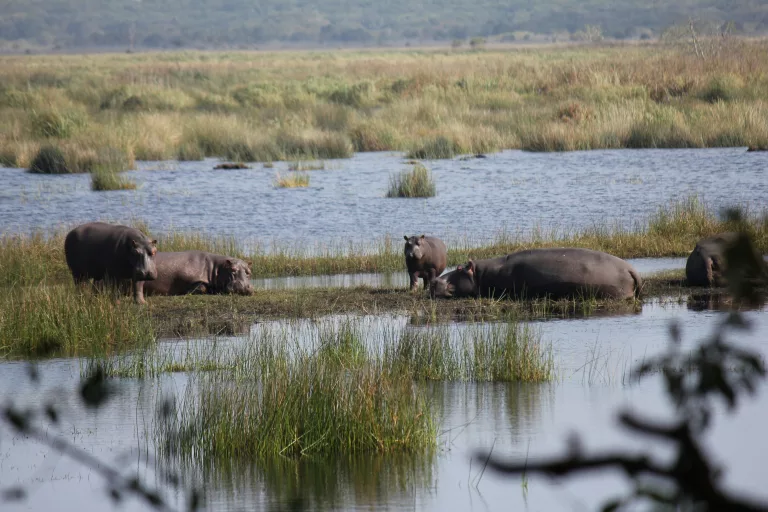
Hippo’s tanning in the warm sun / Martie Bloem / Unsplash
Bontebok National Park, Western Cape
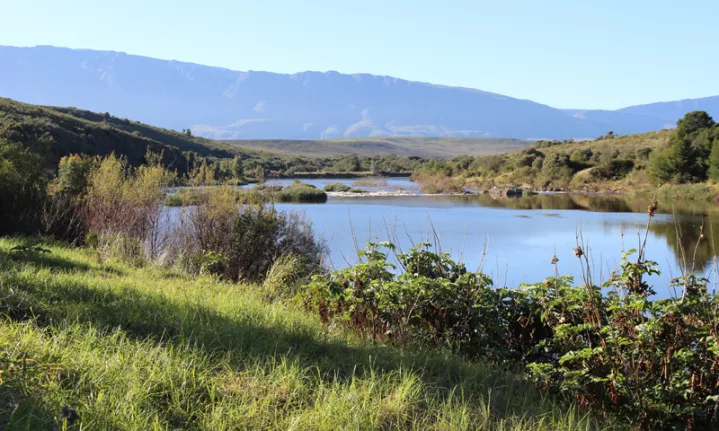
Bontebok National Park has had a particularly rough year. In June 2026, severe flooding caused by the Breede River damaged roads, hiking trails, viewing decks and visitor facilities, forcing the park to close while rehabilitation work got underway.
Just two months later, visitors began returning. SANParks announced a phased reopening from 1 August 2026, with selected accommodation, camping facilities and trails returning to use while other sections remain closed for rehabilitation. It is an easy park to underestimate.
Near Swellendam, the reserve protects one of South Africa’s most distinctive antelope species, the bontebok, along with fynbos and riverine landscapes around the Breede River.
Its history is closely tied to the survival of the species it was created to protect. Bontebok numbers had fallen dramatically, and conservation efforts eventually resulted in the establishment of the reserve.
Why go?
Bontebok is ideal for travellers who don’t necessarily want a full safari weekend. You can combine a visit with time in Swellendam, explore the park’s trails, look for bontebok and other wildlife, picnic beside the river and take in the Langeberg mountains.
The park’s smaller scale also makes it particularly appealing for a road trip. You don’t need three days to experience it. A morning or overnight stop can easily become one of those unexpected highlights of a longer journey through the Overberg.
And there is something satisfying about visiting now, while the park is still rebuilding. Not everything is open yet, but that is exactly why you should check what’s available before arriving.
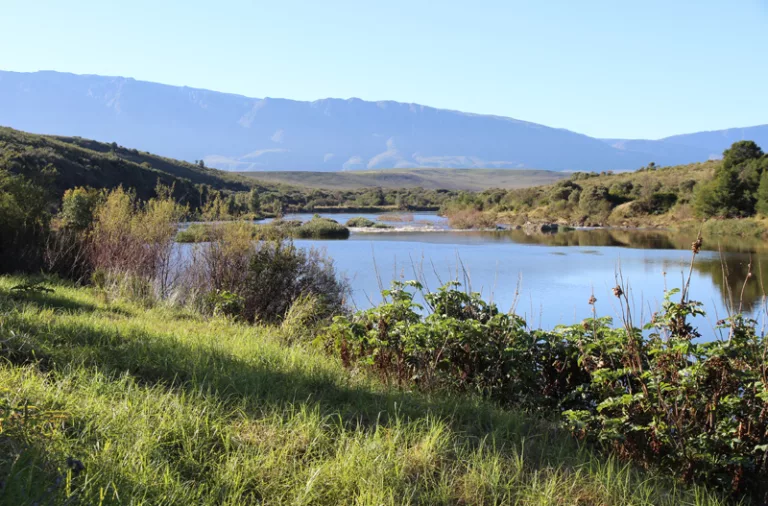
Breede River in Bontebok National Park / Landia Davies / Wikimedia Commons
Cango Caves, Western Cape
The Cango Caves have been welcoming visitors for generations, but in 2026 it was the road to the caves that became the problem.
Flooding triggered rockfalls that made the R328 inaccessible, disrupting access to one of the Little Karoo’s best-known attractions. Further severe weather in June caused additional erosion and damaged some of the preliminary stabilisation work.
After extensive clearing and safety work, the road reopened to traffic on 10 July. The caves subsequently reopened to visitors, with an official reopening celebrated on 24 July. The timing matters because Cango Caves is not simply another tourist attraction.
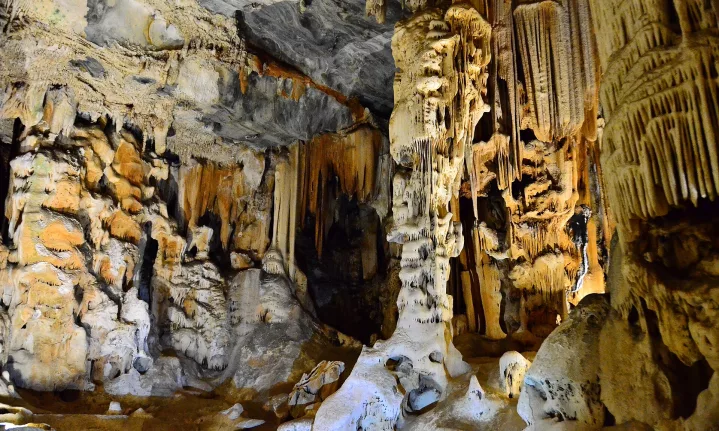
It is one of South Africa’s oldest and best-known natural heritage sites, with an extensive limestone cave system beneath the Swartberg mountains. The caves contain enormous chambers, stalactites and stalagmites and have a long history of human use and exploration.
Why go?
Because the caves remain one of those places that photographs never quite capture. Guided tours take visitors underground through enormous chambers and passages, with options ranging from the more accessible standard tour to the considerably more adventurous Adventure Tour.
And once you’re back above ground, there is plenty more reason to stay in the area. Oudtshoorn puts you within easy reach of the Swartberg Pass, the Cango Valley and the wider Klein Karoo, where a cave visit can become part of a much bigger road trip.
The reopening also matters beyond the caves themselves. The temporary road closure affected tourism businesses in the surrounding Matjiesrivier area, making the return of visitors important for the wider local economy.
Go for: geology, adventure and a reminder that some of South Africa’s most extraordinary landscapes are hidden beneath our feet.
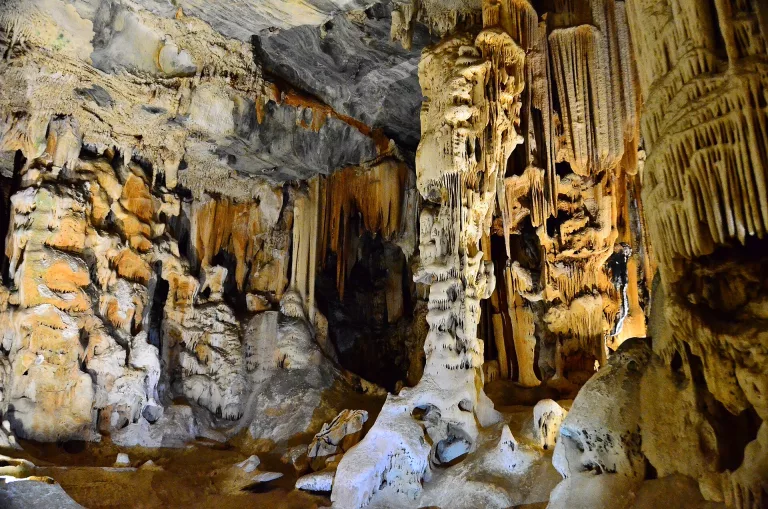
Cango caves (South Africa) / Dariusz Jemielniak (“Pundit”) / Wikimedia Commons
Storms River Mouth, Eastern Cape
Some reopenings happen because something has been damaged. Others happen because something simply needs to be made stronger. That is the story at Storms River Mouth in the Garden Route National Park.
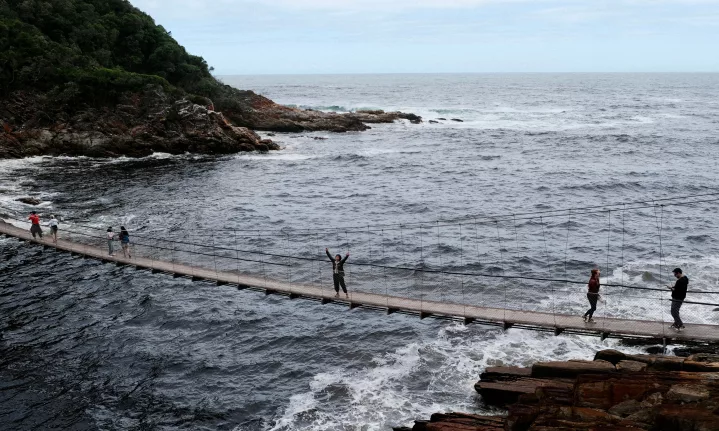
The famous suspension bridge has been undergoing phased refurbishment to improve its long-term safety and durability. The final stage required the bridge and access to all three suspension bridges to close temporarily from 20 to 31 July 2026.
On 1 August, they reopened. It may sound like a small travel update, but the bridge is one of the most recognisable landmarks along this stretch of the Garden Route.
It has been part of the Storms River Mouth experience since 1969, suspended above the gorge where the Storms River meets the Indian Ocean.
Why go?
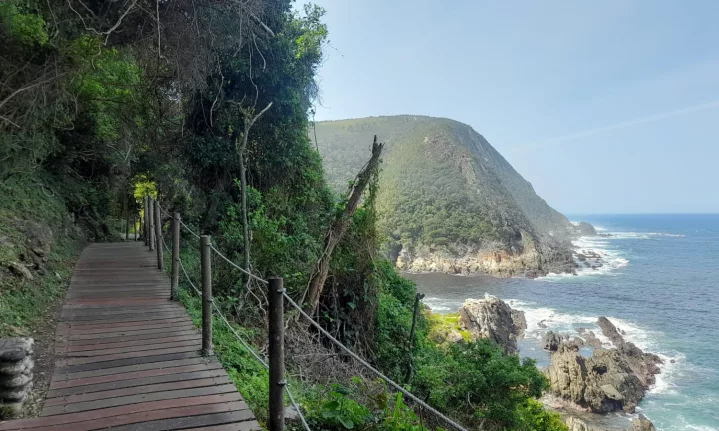
Because Storms River Mouth remains one of those places where the landscape does most of the talking. The popular Mouth Trail takes you through indigenous forest towards the suspension bridges and the meeting point of river and ocean. There are viewpoints along the way, while more adventurous hikers can tackle longer trails in the surrounding Tsitsikamma section.
The area is also part of the Garden Route National Park, where forest, fynbos, coastline and marine environments meet. If you’ve been putting off a Garden Route trip because you’ve heard about closures around the bridge, the latest reopening gives you another reason to go.
Just don’t make the mistake of thinking the bridge is the entire experience. Slow down. Walk the forest. Listen to the river. Stand on the bridge and watch the ocean below. That’s the point.
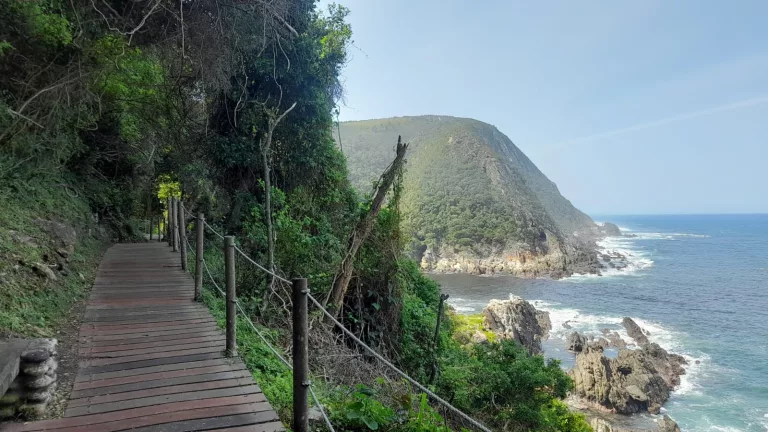
View of the Storms River Mouth from the Tsitsikamma National Park / M J Hurter / Wikimedia Commons
The Marine, Hermanus
Not every comeback story involves floodwater and damaged roads. Sometimes a place closes because it is time for a new chapter.
In June 2026, The Marine in Hermanus reopened its refurbished ground-floor public spaces following a significant redesign. The work included the reception, cocktail bar, Pavilion Restaurant and connecting spaces, while retaining the hotel’s historic architecture.
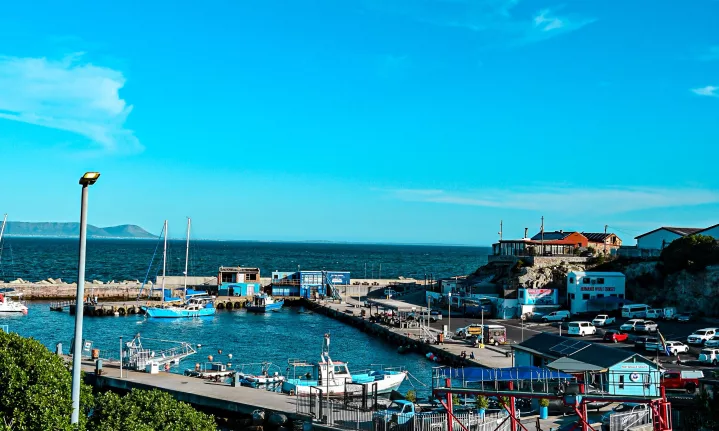
The Marine has been part of Hermanus since 1902, making it one of the town’s defining landmarks. Its position above Walker Bay has always been part of its appeal, but the latest refurbishment brings the surrounding landscape indoors through fynbos-inspired interiors, botanical artwork and views towards the bay.
This is not a hotel trying to become something it isn’t. The refurbishment deliberately retains original elements, including historic photographs, terracotta flooring and architectural details, while giving the public spaces a softer, more contemporary feel.
Why go?
Because Hermanus is one of the easiest places in South Africa to turn a weekend away into a proper reset. Walk the cliff path. Explore the town’s galleries and restaurants. Swim in a tidal pool. Drive into the Hemel-en-Aarde Valley for wine. Or, if you’re there during whale season, simply find a good vantage point and watch the water.
You don’t need an elaborate itinerary. That is part of the appeal.
The Marine gives you a comfortable base from which to explore one of the Western Cape’s most scenic coastal towns, while the refreshed spaces offer another reason for returning visitors to see the hotel with fresh eyes.
Go for: a coastal escape that feels familiar without feeling stuck in the past.
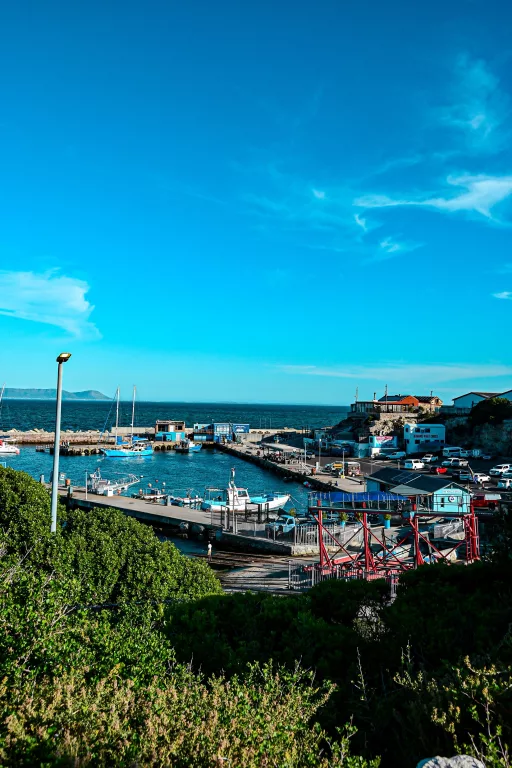
Hermanus, Western Cape, South Africa / Callum Stegmann / Pexels
A country coming back to itself
There is a temptation, when a place reopens, to immediately move on to the next new thing. But these comebacks are worth paying attention to.
At Kruger, reopening is happening gradually as roads, bridges and facilities are repaired after devastating floods. At Bontebok, visitors are returning while rehabilitation continues. Cango Caves has welcomed visitors again after floods and rockfalls disrupted access. At Storms River Mouth, a familiar landmark has been strengthened for the years ahead. And in Hermanus, The Marine has used refurbishment to begin another chapter without losing the character that made it special.
None of these places needs a grand comeback speech. They just need us to go. Perhaps that is the most useful way to think about travel in South Africa right now. Not as a search for somewhere untouched, but as an opportunity to return to places we love, support the communities and businesses around them, and see what has changed.
Because sometimes a destination is most interesting not when it is brand new, but when it has survived something. And these places have.
Follow us on social media for more travel news, inspiration, and guides. You can also tag us to be featured.
Instagram | Facebook | Twitter | Spotify
ALSO READ: