



Olive oil may not be the first thing that comes to mind when you picture the Karoo. Yet beneath the dry mountains and wide-open skies, olive groves have become part of the region’s agricultural story.
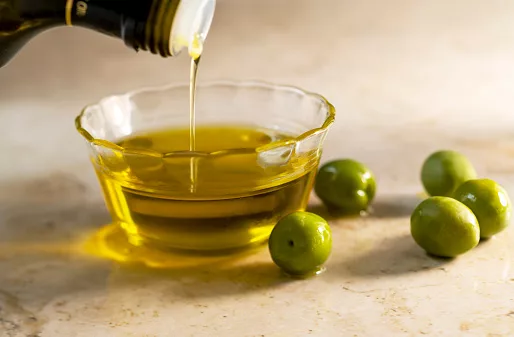
Olive oil pouring into small glass bowl with olives on table/By: TGI/Tetra Images/Getty Images
A 48-hour road trip through Prince Albert, De Rust and Calitzdorp offers a different way to experience the Karoo and Klein Karoo, following the journey from tree to bottle while making time for farm kitchens, historic towns and dramatic mountain scenery.
The route works particularly well as a food-focused escape, but you don’t need to be an olive-oil expert to enjoy it. Along the way, there are tastings, farm lunches, local produce and plenty of reasons to slow down.
Day 1: Discover the olives of Prince Albert
Start your trip at a working olive farm
Begin in Prince Albert, one of the Great Karoo’s most atmospheric towns, with the Swartberg Mountains providing a dramatic backdrop.
Just outside town, O for Olive at Swartrivier Farm offers an introduction to the region’s olive-growing tradition. The farm has more than 3 000 mature olive trees across 20 hectares, including Mission, Manzanilla and Leccino varieties.
The best way to experience it is with a guided farm tour. The experience moves from the olive groves to the sorting tables, brining room and olive press before ending with a tasting and light lunch platter at Café O. Tours should be booked in advance.
The contrast is part of the appeal. Beyond the orchards is the dry, open Karoo, while inside the farm the landscape turns green beneath the mountains.
Make the necessary lunch pit stop
Allow time for lunch at Café O, the restaurant on Swartrivier Farm.
The menu includes light lunches, tapas, fresh bread and dishes made with locally sourced ingredients, while the farm shop sells extra virgin olive oil, olives, tapenades and other products. The outdoor setting looks towards the Swartberg Mountains.
Pair lunch with a tasting if you have not already done the farm tour. It is an easy way to start noticing the differences between oils – from fruitiness and bitterness to the peppery finish that characterises many good extra virgin olive oils.
Take a breather in Prince Albert
Leave the afternoon free to explore Prince Albert itself.
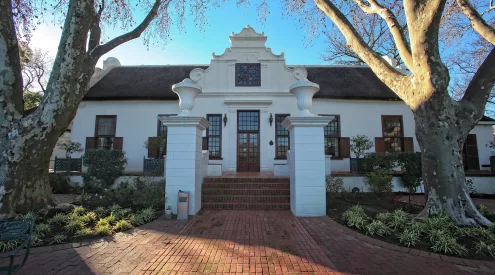
The town’s Cape Dutch, Karoo and Victorian buildings, small galleries and quiet streets make it worth exploring on foot. This is also where the route becomes more than a food trip: the olive farms are woven into a landscape shaped by generations of farming and settlement.
As evening approaches, settle in for a Karoo dinner and an early night. The next day’s route heads deeper into the Klein Karoo.
ALSO READ:
Wakkerstroom without the binoculars: a weekend for everyone else
Day 2: From De Rust to Calitzdorp
View this post on Instagram
Stop at De Rustica Olive Estate
Leave Prince Albert and make your way towards De Rust, where the olive route continues at De Rustica Olive Estate.
The estate offers guided olive-oil experiences that begin in the orchards before moving into tastings of different cultivars. Visitors can learn how olives are grown and harvested and how the fruit is turned into oil. During harvest, which generally runs from April to July at De Rustica, visitors can also see more of the extraction, filtering and storage process.
The tasting is the ultimate lesson. Rather than treating olive oil as a generic cooking ingredient, you begin to understand how different cultivars produce different aromas, flavours and levels of bitterness and pepperiness.
The estate also has a coffee shop where visitors can stop for breakfast, drinks and light snacks, with the Klein Karoo landscape providing the backdrop.
Take the scenic road into the Klein Karoo
From De Rust, continue towards Calitzdorp and let the scenery become part of the itinerary.
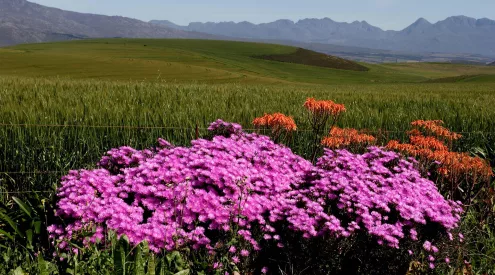
This is where a self-drive route has an advantage over simply visiting a collection of farms. The distance between stops gives you time to appreciate the changing landscape – dry plains, rugged mountains and isolated farmsteads replacing the greener agricultural scenery found elsewhere in the Western Cape.
If you are travelling during olive harvest, the route becomes particularly interesting, as this is when the orchards are at their busiest.
End at Pètra Olives
Near Calitzdorp, finish the olive trail at Pètra Olives, based at Droëkloof Olive Estate beneath the Swartberg Mountains.
The estate’s first olive trees were planted in 2007, and today its orchards include Frantoio, Leccino, Mission, Manzanilla, Coratina, Koroneiki and Piqual varieties. The farm is still in the care of the sixth-generation Nel family.
The setting makes this a fitting final stop. Here, the relationship between mountain, climate and agriculture is particularly clear, with olive trees growing in a landscape better known for its ruggedness than its orchards.
Pètra’s oils have also received recognition at the annual SA Olive competitions, making the farm a worthwhile stop for anyone interested in South African olive production.
What makes the Karoo a distinct olive-growing region?
At first glance, the Karoo might seem an unlikely place for olive farming. Its dry climate and dramatic temperature variations are part of what makes the region distinctive.
Olive trees are well suited to Mediterranean-type conditions, and producers in the Karoo and Klein Karoo have developed orchards that work with rather than against the area’s climate.
That gives the route an interesting agricultural story. The landscape is not simply scenery between tasting rooms; it is part of what ends up in the bottle.
The variety of cultivars also means no two tastings need to be identical. Frantoio, Coratina, Mission, Manzanilla and other varieties can produce oils with noticeably different characteristics.
When to follow the olive route
April to July is particularly appealing if you want to see olive production in action, although exact harvest dates vary with conditions and location. De Rustica, for example, lists April to July as its harvest period.
For a quieter food-and-landscape weekend, travel outside the busiest periods and book farm experiences ahead of time.
Remember that many smaller producers operate on limited hours or by appointment. Check opening times before setting off, particularly if you are planning your itinerary around tastings.
Make the most of 48 hours
The best way to approach this route is not to rush from one producer to the next.
Allow time for a long lunch, stop for photographs, wander through Prince Albert and leave space for the unexpected farm shop or roadside produce stall.
Most importantly, taste the oils properly. Try them with bread, compare different cultivars and pay attention to the aroma, bitterness and pepperiness. By the end of the weekend, olive oil will feel less like a condiment and more like an expression of place.
Follow us on social media for more travel news, inspiration, and guides. You can also tag us to be featured.
Instagram | Facebook | Twitter | Spotify
ALSO READ:
Adventure activities in Great Brak and Klein Brak (and surrounds)