


South Africa’s small towns have often depended on a single lifeline.
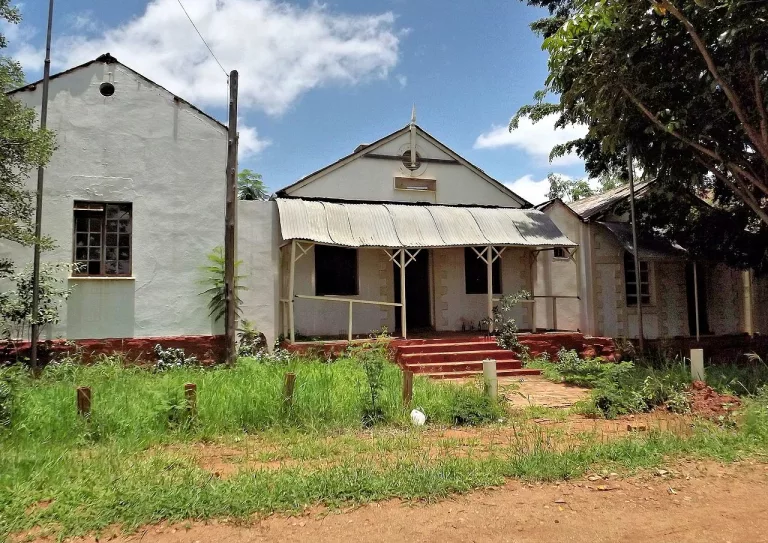
Abandoned hotel in Leydsdorp/Ossewa/Wikimedia Commons
A gold reef, copper mine, railway line, farming industry or passing route could bring people and money to an isolated settlement. When that lifeline disappeared, the town could shrink just as quickly. Some became ghost towns. Others adapted, reinvented themselves or survived as quiet reminders of a very different South Africa. These five towns reveal what happens when fortunes change.
Leydsdorp, Limpopo
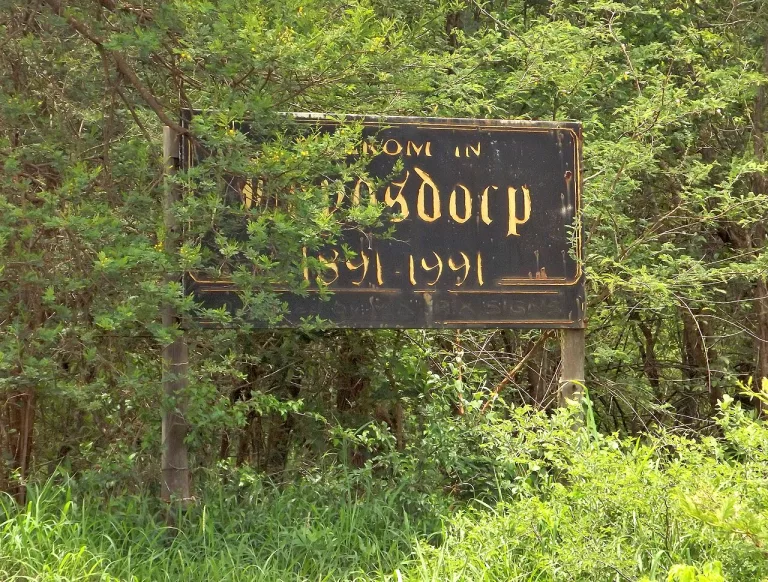
Ossewa/Wikimedia Commons
Leydsdorp is one of the clearest examples of a town built around a boom that was never going to last. Gold was discovered in the Murchison Range in the late 1880s, triggering a rush of prospectors into the Lowveld. By 1890, Leydsdorp had developed into a lively mining settlement with shops, bars, a hospital, police station, bakery, printing house and magistrate’s office. The problem was that gold was not the only threat. Malaria and blackwater fever made life exceptionally difficult, while richer gold deposits on the Witwatersrand drew prospectors elsewhere. Leydsdorp rapidly declined and eventually became a ghost town. Today, its remaining buildings and the famous baobab that once housed the Murchison Club offer a glimpse into its extraordinary gold-rush past.
Okiep, Northern Cape
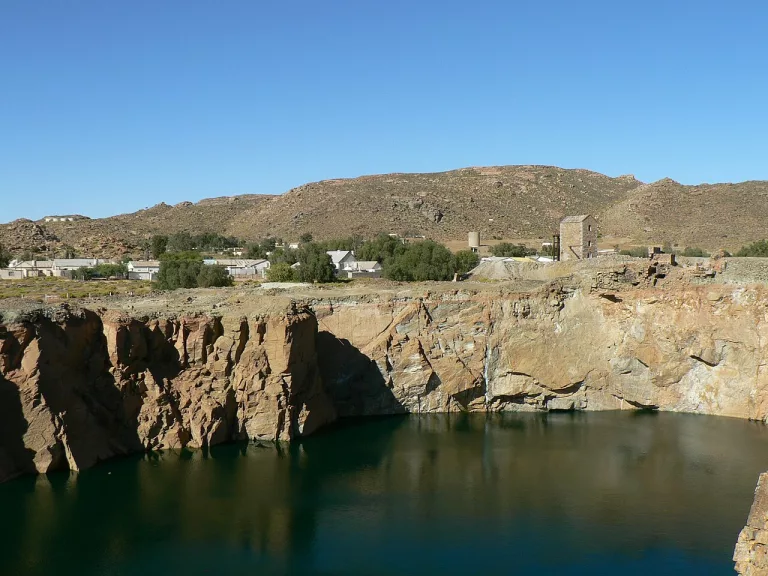
In the dry landscape of Namaqualand, Okiep grew because of copper. Mining in the region dates back to the nineteenth century and the town became the centre of one of South Africa’s most important historic copper districts. Its fortunes were closely tied to the copper industry and the railway that transported ore towards the coast. The Anglo-Boer War brought another dramatic chapter when Okiep endured a 30-day siege in 1902.
Copper prices later fell below profitable levels, forcing mining operations to stop. Mining resumed when conditions improved, but the town’s dependence on the industry left it vulnerable to every downturn. The railway also eventually declined as road transport became more important. Okiep survived, but its history is proof of how quickly a mining settlement can lose its economic importance when the industry supporting it changes.
Pilgrim’s Rest, Mpumalanga
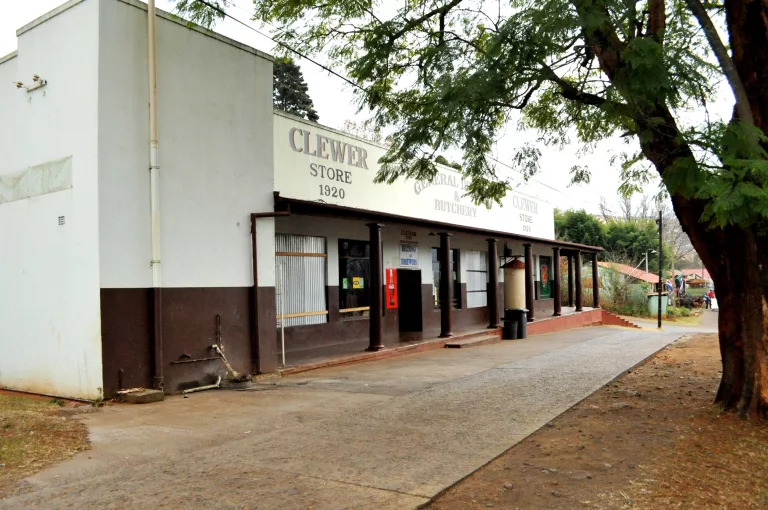
Photo by Lucky Maibi/Foto24/Gallo Images
Pilgrim’s Rest experienced one of South Africa’s most dramatic gold rushes. Gold was discovered in 1873, and within months around 1,500 diggers were working thousands of claims in the valley. As easily accessible alluvial gold became harder to find, mining shifted towards larger-scale underground operations. The town continued to exist for decades, but mining eventually lost its grip. The last operational mine, Beta Mine, closed in 1972.
That could have been the end of Pilgrim’s Rest. Instead, its historic character became its salvation. The settlement was preserved as a heritage site and living museum, with its old buildings and mining history attracting visitors long after the gold had disappeared.
Heritage can sometimes become the new economy when the original reason for a town’s existence disappears.
Wakkerstroom, Mpumalanga
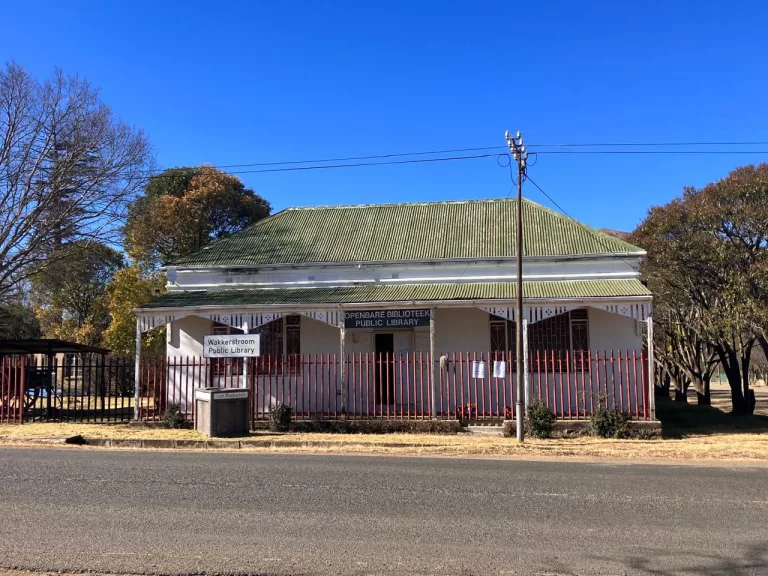
Mrs Weblearning/Wikimedia Commons
Wakkerstroom’s decline was less spectacular but equally revealing. Established in 1859, the town developed around agriculture, trade and transport. Its fortunes were affected by a major decision involving the railway. The main Durban to Johannesburg railway line bypassed Wakkerstroom, leaving the town away from one of the region’s most important new transport networks. A branch line eventually reached the area, but the station was later downgraded and railway traffic declined.
By the late 1980s, Wakkerstroom was in serious economic difficulty. Its hotel was described as virtually derelict, while visitors were rare. Then came an unexpected revival. Residents began recognising the tourism potential of the surrounding wetlands and grasslands, particularly for birding. Today, Wakkerstroom is known as one of South Africa’s premier birding destinations.
Fraserburg, Northern Cape
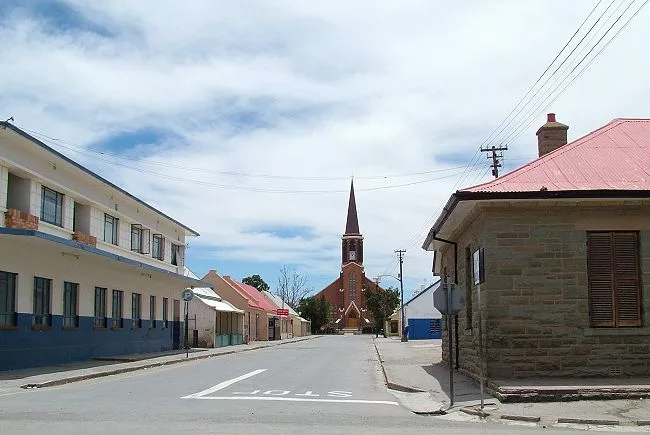
Etienne Marais/Wikimedia Commons
Fraserburg is another Karoo town whose story is closely tied to the fortunes of the surrounding countryside. The settlement became a separate administrative division in 1853, with pastoral farming forming the backbone of the local economy. The region was also affected by periodic droughts, while ostrich farming became increasingly important during the nineteenth century. Population figures reveal the pressures facing the district. The wider division had more than 9,000 residents in 1875, but that figure had fallen to about 6,900 by 1891 and 6,469 by 1904.
Fraserburg never became a complete ghost town, but its story demonstrates another form of decline. When farming becomes harder and economic opportunities move elsewhere, rural populations can steadily shrink. Today, its isolation is part of its appeal. The surrounding Karoo landscape, historic buildings and slower pace make Fraserburg a destination for travellers interested in the quieter side of South African history.
Follow us on social media for more travel news, inspiration, and guides. You can also tag us to be featured.
Instagram | Facebook | Twitter | Spotify
ALSO READ:
South Africa’s wetlands: The ecosystems we can’t afford to lose