

A 4,400-year-old tomb decorated with colourful scenes of ancient Egyptian life has been uncovered at Saqqara, one of Egypt’s most important archaeological sites, according to Euronews.
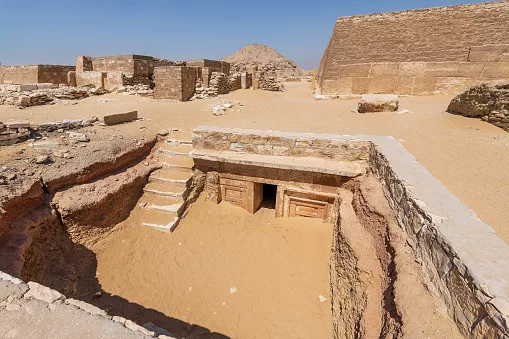
[Iamge used for illustrative purposes]The remains of buried tombs at Saqqarah, Egypt/By: Nick Brundle Photography/Getty Images
The discovery was made by a Spanish-Egyptian archaeological team led by Spanish Egyptologist Josep Cervelló during excavations this summer. The mission is being conducted by the Autonomous University of Barcelona and Egypt’s Supreme Council of Antiquities.
Dating to the late Fifth Dynasty of Egypt’s Old Kingdom, the mastaba contains two funerary chapels belonging to a senior official named Yunmen and his father, Iti. Yunmen served under Pharaoh Djedkare Isesi and appears to have risen from a provincial background to a senior position in the central administration.
Ancient scenes still retain their original colours
One of the most striking features of the tomb is the condition of its decorations.
The walls feature reliefs depicting agricultural activities, offering processions, donkeys and other animals. Many of the scenes still retain their original colours, giving archaeologists a rare glimpse of the visual world of ancient Egypt more than four millennia ago.
The tomb also contains a finely decorated architrave and funerary inscriptions linked to Yunmen’s position and responsibilities.
According to Egypt’s Ministry of Tourism and Antiquities, the discovery could provide new information about the architecture, art and administrative life of Egypt during the final years of the Fifth Dynasty.
ALSO READ:
A glimpse into daily life at Saqqara
The discovery is significant not only for its age but also for what it reveals about life around the ancient necropolis.
Archaeologists believe Yunmen’s double tomb may reflect his rise through Egypt’s administration. His decision to have his father buried alongside him could also offer clues about family relationships and social status during the period.
Saqqara has been explored since excavations by French archaeologist Auguste Mariette in the 19th century, but parts of the necropolis remain less thoroughly documented.
The latest research is focused on reconstructing how the wider area functioned, including its streets, open spaces, movement of people and religious rituals. Mapping work eventually led archaeologists to the previously unknown mastaba.
The team has also identified indications of two further tombs nearby, which could be investigated during future excavation seasons.
Follow us on social media for more travel news, inspiration, and guides. You can also tag us to be featured.
Instagram | Facebook | Twitter | Spotify
ALSO READ:
Durban’s Curries Fountain Stadium is now a Provincial Heritage Site