



Authorities in Zambia have warned people not to eat or handle wildlife that has died suddenly after an anthrax outbreak killed dozens of animals, including hippos, elephants, buffalo and a crocodile, as reported by the BBC.
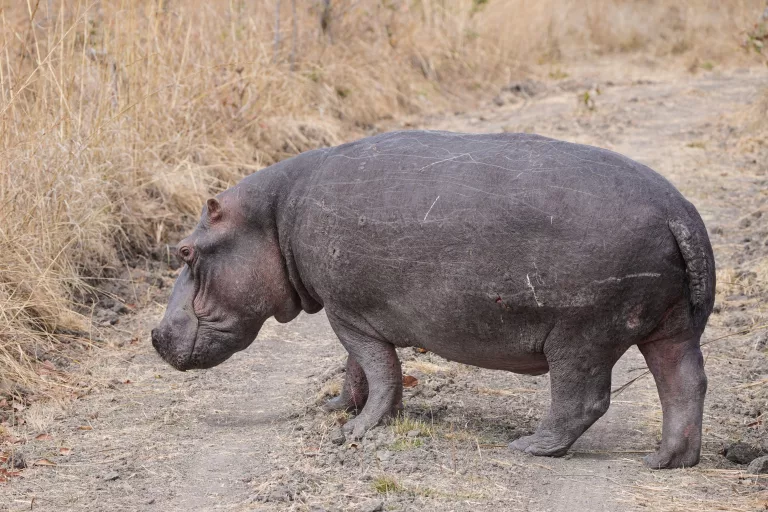
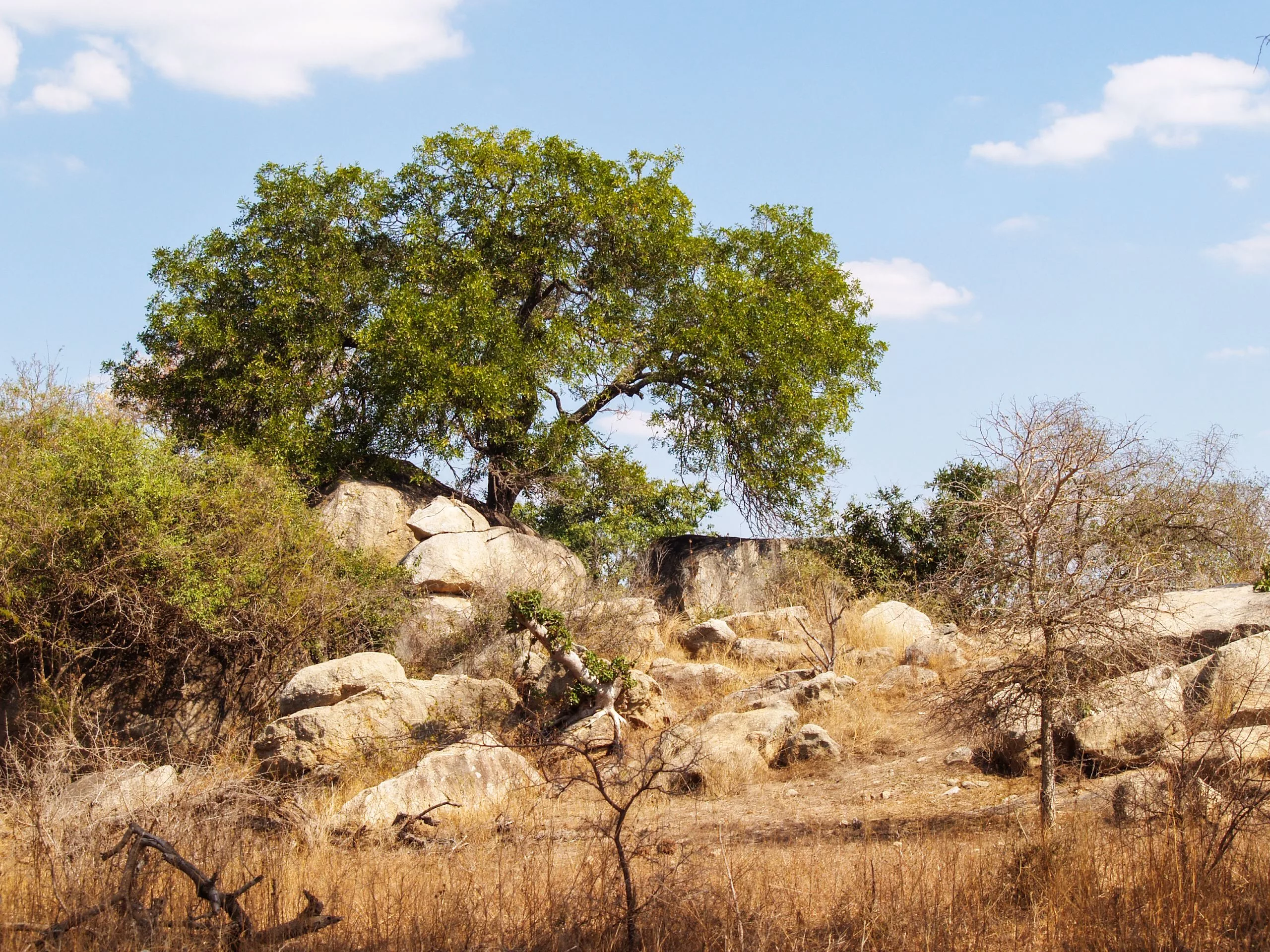
Image used for illustrative purposes/Timothy A. Gonsalves/Wikimedia Commons
At least 46 hippos, eight elephants, five buffaloes and one crocodile have died since July in the Munyamadzi Game Management Area in Muchinga province, according to Zambia’s Disaster Management and Mitigation Unit.
The outbreak has also affected people in the area. Twelve people have reportedly contracted anthrax after consuming meat from wildlife that had died, although no human deaths have been recorded. Those infected are receiving treatment.
Authorities urge public to avoid wildlife carcasses
Officials have urged communities not to consume, sell, distribute or handle meat from animals that have died suddenly or from unknown causes.
The warning comes as authorities investigate the extent of the outbreak and conduct further surveillance and laboratory testing.
Hunting in the affected area has also been suspended while officials assess the risks.
Norman Chipakupaku, national coordinator of Zambia’s Disaster Management and Mitigation Unit, said the situation was particularly concerning because some of the animal carcasses had been eaten by local communities.
“That’s what they depend on for their food,” he said, highlighting the challenges faced by communities that rely on wildlife meat.
Anthrax can remain in the environment for years
Anthrax is caused by the bacterium Bacillus anthracis. The bacteria can survive in soil for years in the form of spores before infecting animals.
The disease primarily affects grazing animals and can cause sudden death. Humans can become infected through contact with infected animals or contaminated animal products, including meat.
Zambia has experienced anthrax outbreaks before. In 2023, an unusually large outbreak spread to nine of the country’s 10 provinces and resulted in four deaths. A major outbreak in 2011 was linked to more than 500 cases, with five people dying after eating meat from infected hippos.
The latest outbreak has prompted renewed warnings for people living near affected wildlife areas to avoid carcasses and report animals found dead unexpectedly.
Source: BBC
Follow us on social media for more travel news, inspiration, and guides. You can also tag us to be featured.
Instagram | Facebook | Twitter | Spotify
ALSO READ: