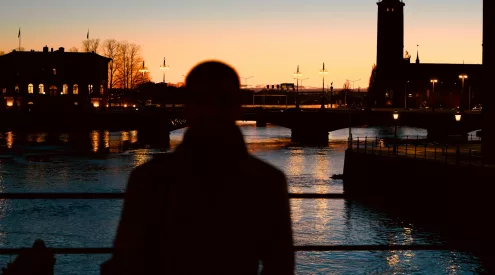


Fire can transform a Western Cape mountain in hours. But for fynbos, fire is not simply destruction. It’s part of the cycle that keeps this extraordinary landscape alive.
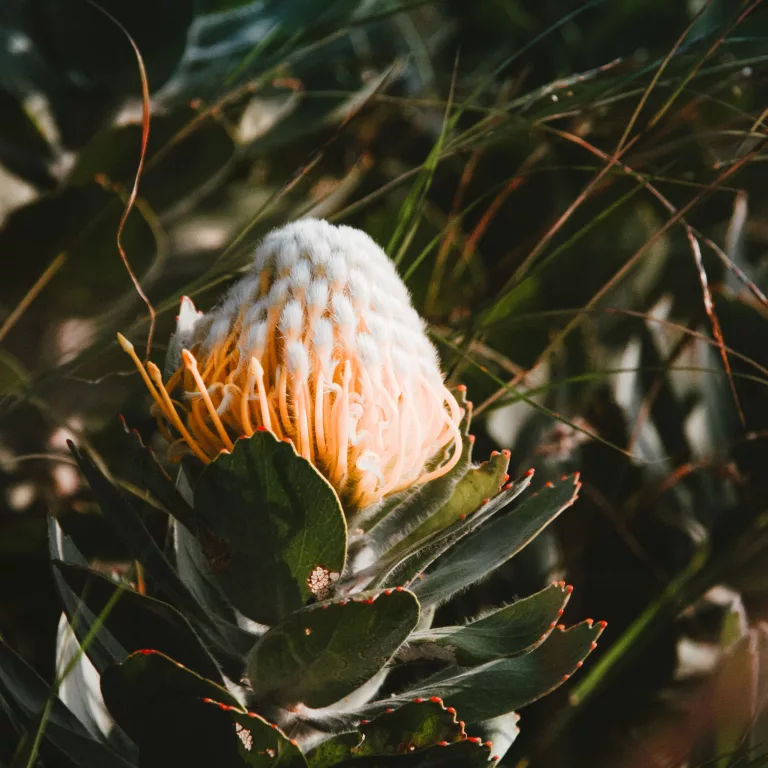
Close-up of a beautiful Protea flower / Elisabeth Ende / Pexels
For every Capetonian who has watched a familiar mountain turn black, it’s unsettling, to say the least.Green slopes disappear beneath smoke and flames, leaving behind ash, charred stems and a landscape that looks stripped bare. Yet beneath the blackened surface, something else is happening.
Fynbos is beginning again. Many of the plants of the Cape Floristic Region have evolved alongside fire. Some resprout afterwards, while others rely on seeds stored in the soil. Proteas and other species can hold seeds in cones until fire triggers their release.
But fynbos doesn’t simply need fire. It needs the right fire.
When fire becomes too much
A healthy fynbos landscape needs time between burns. Plants must grow, flower and produce seed before another fire comes through. Burn an area too soon and slow-growing species may not have reached maturity. Repeated fires can eventually reduce some of these plants from the landscape. Leave fynbos unburnt for too long, however, and older vegetation can become senescent.
That makes fire management a delicate balancing act. Fire ecologists consider how often an area burns, the season in which it burns and the intensity of the fire. Research in the Outeniqua area, for example, found better recruitment of some slow-maturing Proteaceae after longer fire intervals and warm-season burns, with researchers suggesting a minimum interval of around 14 years in parts of the study area.
There is no single recipe for the entire province. Fynbos changes with the landscape and climate.
Not every fire is a good fire
An ecological burn is very different from a wildfire racing through dry vegetation in strong winds. Conservation managers can plan a prescribed burn around the condition and age of the vegetation, weather and surrounding landscape. A wildfire offers no such control.
Invasive alien plants make the problem worse. They can create heavier fuel loads than indigenous fynbos, potentially producing hotter, harder-to-control fires. And the consequences do not stop when the flames disappear.
The mountains covered in fynbos are important water catchments. Research in Jonkershoek has shown that fire can alter runoff and peak flows, changing how water moves through a burned landscape.
A hotter Western Cape
The Western Cape has always lived with fire. Climate change is making the conditions around it more difficult.
Between April 2025 and March 2026, CapeNature recorded 107 wildfires that burned approximately 215,936 hectares across the province, almost three times the area burned during the previous reporting period. CapeNature has also warned that hotter and drier conditions associated with the developing El Niño pattern could increase fire risk.
That makes understanding fire more important than ever. The goal is not to stop every fire. Nor is it to let every fire burn. It’s to protect people and infrastructure while allowing fire to continue doing the ecological work it has always done. That can involve prescribed burns, invasive alien clearing and maintaining a mosaic of vegetation at different ages across the landscape.
Even then, there is no simple formula. Research has questioned whether burning more automatically prevents large wildfires, while long-term studies show that natural fire patterns have varied considerably over thousands of years.
What comes after the flames
The first thing you see after a fynbos fire is loss. Then the rain comes. Tiny shoots emerge through the ash. Green returns to blackened slopes. Flowers follow. Slowly, the mountain begins to look alive again.
That resilience is part of what makes fynbos so remarkable. But resilience is not invincibility. As the Western Cape becomes hotter and drier, the challenge will be learning how to live with fire without losing the landscapes that depend on it.
Because sometimes protecting the fynbos means keeping fire away. And sometimes, remarkably, it means giving it room to burn.
Follow us on social media for more travel news, inspiration, and guides. You can also tag us to be featured.
Instagram | Facebook | Twitter | Spotify
ALSO READ:
5 national parks with surprising things to do after the game drive