


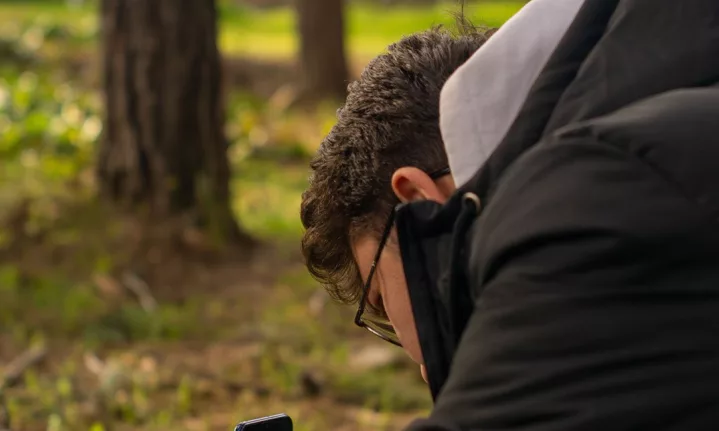
You don’t need to be a scientist or experienced birdwatcher to contribute to biodiversity research. This November, anyone in the Southern Hemisphere with a smartphone can help document plants, animals, fungi and other living organisms as part of the Great Southern Bioblitz 2026.
The annual citizen-science event takes place from 27 to 30 November 2026, bringing people across the Southern Hemisphere together to record the natural world using the free iNaturalist app.
For the Garden Route, Wild Rescue nature reserve is leading the 2026 campaign, encouraging residents, visitors, schools, conservation organisations and anyone with an interest in nature to get outdoors and start recording what they find.
What is the Great Southern Bioblitz?
The Great Southern Bioblitz is an international biodiversity survey that uses observations from members of the public to build a detailed record of species across the Southern Hemisphere.
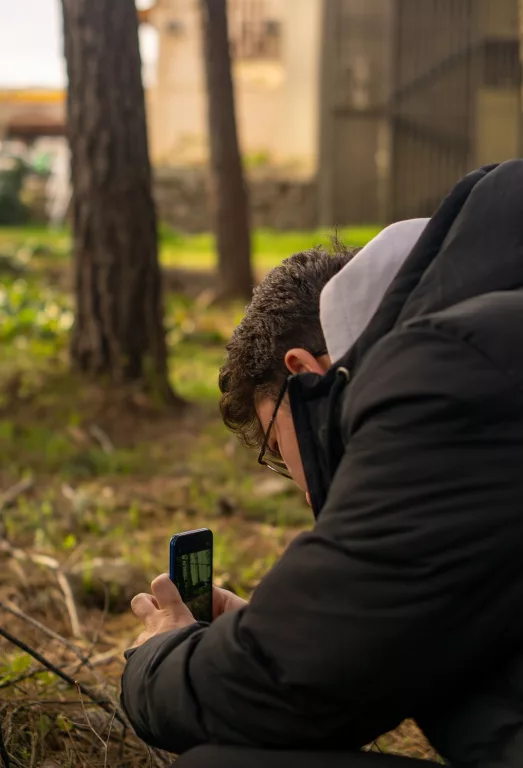
Participants simply photograph living organisms they encounter and upload their observations to iNaturalist. Each photograph becomes a record of what was seen, where it was found and when it was recorded. Other members of the iNaturalist community can then help identify the species.
You could photograph a bird in your garden, a mushroom after rain, a wildflower on a hiking trail or an insect you spot on a weekend away. You don’t need to know what you’ve photographed before uploading it.
The observations can contribute to a growing dataset used for biodiversity research and conservation.
Why citizen science matters
South Africa is one of the world’s most biologically diverse countries, but species and habitats are constantly changing. Recording what is found across different areas helps researchers build a clearer picture of where species occur and how those patterns change over time.
The South African National Biodiversity Institute (SANBI) has recognised the value of citizen-generated data and is extensively involved with iNaturalist in South Africa. Information collected through the platform contributes to work including Red List assessments and land-use decision-making.
Citizen observations have also contributed to significant discoveries. According to Wild Rescue, SANBI’s 2024/25 reporting recorded three plant species new to science through the Custodians of Rare and Endangered Wildflowers programme, while four plant species previously thought to be extinct in the wild were rediscovered.
There are examples closer to the Garden Route, too. A geometrid moth, Drepanogynis insciata, which was thought to have been extinct for 147 years, was rediscovered in the Western Cape between 2020 and 2023 through photographs uploaded to iNaturalist. The observation was later confirmed and published in scientific literature.
South Africa has a strong track record
South Africans have already made a substantial contribution to the Great Southern Bioblitz.
In 2025, South African participants recorded 103,380 observations of 12,434 species, according to Wild Rescue. This was more observations than any other country that year and accounted for more than a third of the global total.
The Western Cape recorded more than 26,000 observations of over 3,000 species, while the Overstrand district recorded more than 15,000 observations, making it the leading individual region globally that year.
The Garden Route has also featured prominently in previous bioblitzes. In 2022, the region ranked among the leading areas internationally for observations and species recorded.
Globally, the Great Southern Bioblitz has grown considerably since it began in 2020. The 2025 event generated 282,261 observations of 37,550 unique taxa from 9,993 observers.
How to take part in the Great Southern Bioblitz 2026
Participation is free and open to anyone in the Southern Hemisphere. No specialist knowledge is required.
To take part:
- Download the free iNaturalist app on your iOS or Android smartphone and create an account.
- Get outdoors between 27 and 30 November and photograph wild plants, animals, fungi or other living organisms you encounter.
- Upload your observations to iNaturalist. Participants have an additional 14 days after the event to finish uploading observations and help identify what has been recorded.
- Link your observations to the relevant project, including the Great Southern Bioblitz 2026 Garden Route project or the wider Southern Africa umbrella project.
The platform’s community of users can help identify observations, alongside its AI-assisted identification tools.
Wild Rescue is hosting Garden Route workshops
If you’re in the Garden Route and would like some help getting started, Wild Rescue will host practical iNaturalist workshops at its nature reserve on Saturday 28 and Sunday 29 November.
Participants will learn how to use the platform before heading out along the reserve’s walking trails to photograph and record the biodiversity they encounter. The Wild Rescue team will also assist with uploading observations and identifying species.
All you need to bring is a smartphone with the iNaturalist app installed. Details about workshop times, bookings and participation arrangements will be announced on Wild Rescue’s social media closer to the event.
Whether you’re heading out for a hike, spending time in the garden or simply stopping to photograph something unusual on a walk, the Great Southern Bioblitz offers a chance to look a little more closely at the natural world around you.
And that photograph of a beetle, bird, flower or mushroom could become part of a much bigger picture of South Africa’s biodiversity.
ALSO SEE: A new three-day festival is coming to the Garden Route next week
A new three-day festival is coming to the Garden Route next week