


Queen guitarist Brian May is known around the world for his music, but one of his lesser-known projects has helped create a haven for wildlife in Dorset, England.
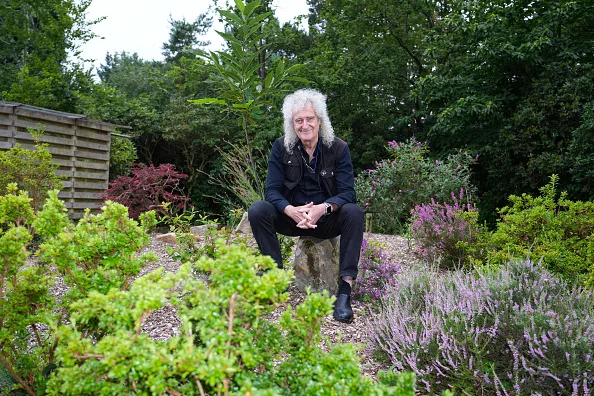
Sir Brian May during a interview with PA Media at Harper Asprey Wildlife Rescue and Save Me Trust in Surrey. Picture date: Thursday August 15, 2024. (Photo by Ian West/PA Images via Getty Images)
In 2012, May bought 157 acres of former farmland near Bere Regis that had been earmarked for housing development. Rather than seeing the land transformed into homes, he set out to create a wildlife sanctuary where native trees and animals could thrive.
More than a decade later, the site, known locally as May’s Wood, has become a woodland reserve with more than 100,000 trees, while also providing a base for a wildlife rescue organisation. The story was recently highlighted by Upworthy.
From farmland to wildlife sanctuary
May purchased the land after plans had been discussed to develop it for housing. He worked with residents and wildlife officials to establish a different future for the property.
His vision was not simply to create a traditional woodland, but a space that could help wildlife move through the landscape.
In a 2013 BBC interview, May described his plans as creating a wildlife sanctuary that could act as a corridor for animals. He also hoped the project would become a lasting legacy for future generations.
The first trees were planted in September 2013, when May joined residents for a ceremony and planted the reserve’s first oak tree.
The woodland was designed primarily around native British species, including hazel, hawthorn, bird cherry, spindle and viburnum. Areas were also retained and managed for wildflowers, creating a more varied habitat for wildlife.
The reserve also supports wildlife rescue
More than 100,000 trees now grow here
What began as a former agricultural site has since developed into a substantial woodland landscape.
According to Upworthy, more than 100,000 trees now grow across the reserve, helping create habitat for native wildlife and adding another patch of woodland to the surrounding landscape.
The project is a reminder that conservation does not always mean protecting untouched wilderness. Restoring land that has previously been used for agriculture or earmarked for development can also create important habitat.
ALSO READ:
Cape Leopard Trust cycling team takes on 200km race to raise funds for leopards
The reserve also supports wildlife rescue
May’s conservation work extends beyond trees.
The land is also home to Harper Asprey Wildlife Rescue, which cares for injured, orphaned and vulnerable British wildlife. The organisation was founded by animal welfare advocate Anne Brummer, who also co-founded the Save Me Trust with May.
Species found in and around the reserve include badgers, foxes, hedgehogs and deer. According to figures cited by Upworthy from the BBC, the rescue takes in an average of about 750 British wildlife animals each year.
The combination of restored woodland and wildlife rescue means the site serves both as a habitat and as a place where animals in need can receive care.
A conservation legacy beyond the stage
For May, the project represents something quite different from his career with Queen.
The guitarist has previously spoken about his passion for Britain’s wildlife and his desire to leave something useful for future generations. His vision for the land was focused on creating a landscape that could continue developing long after he was gone.
Today, May’s Wood offers an example of how privately owned land can be transformed into a space for nature, demonstrating the potential for rewilding, habitat creation and wildlife protection to happen alongside human development.
Source: Upworthy
Follow us on social media for more travel news, inspiration, and guides. You can also tag us to be featured.
Instagram | Facebook | Twitter | Spotify
ALSO READ: