






Overtourism has become an increasingly familiar challenge at some of the world’s best-known attractions. From the Taj Mahal in India to the Louvre in Paris, popular landmarks can draw thousands of visitors a day, making it difficult to appreciate the places that inspired the journey in the first place.
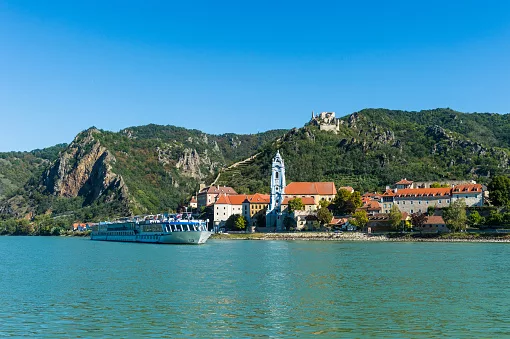
Austria, Wachau, cruise ship passing Duernstein on the Danube/By: Westend61/Getty Images
River cruising offers an alternative way to explore, combining access to historic destinations with a slower pace of travel. With stops in riverside towns, scenic journeys between attractions and itineraries that can include quieter corners of a country, it offers a different perspective on familiar destinations.
Here are four reasons to consider river cruising for your next international trip.
1. Spend less time dealing with road traffic
Reaching a popular attraction by road can involve congested streets, long queues and the challenge of finding parking. River cruising offers a different approach, with ships often docking close to towns and attractions, allowing travellers to explore on foot or join excursions without navigating the same road traffic.
Along Egypt’s Nile, for example, travellers can sail past ancient temples and riverside villages, with stops at historic destinations such as Kom Ombo and Edfu. The journey becomes part of the experience, rather than simply a transfer between attractions.
2. Visit famous landmarks at quieter times
The timing of a visit can make a significant difference at popular attractions, particularly when large tour groups arrive during the busiest hours.
Some river cruise itineraries build visits around early mornings or later afternoons, offering opportunities to experience landmarks in different light and potentially avoid the busiest periods. Uniworld’s India’s Golden Triangle & the Sacred Ganges itinerary, for instance, includes visits to the Taj Mahal at sunrise and sunset, when the changing light adds another dimension to the experience.
Travellers should still expect crowds at major attractions, but a thoughtfully planned itinerary can help make visits more rewarding.
ALSO READ:
3. Discover smaller towns and lesser-known stops
River journeys can introduce travellers to places that are often overlooked on conventional coach tours. Smaller destinations offer opportunities to explore local architecture, crafts, food and everyday life beyond the best-known tourist attractions.
Along India’s Ganges River, itineraries may include artisan communities and riverside temples. In Austria’s Wachau Valley, Danube cruises can stop at picturesque villages such as Dürnstein and Weissenkirchen, known for their historic streets and vineyard-lined landscapes.
These stops offer a chance to experience a destination beyond its headline attractions, with more time to appreciate the character of individual places.
4. Travel at a slower, more immersive pace
One of river cruising’s biggest advantages is the opportunity to visit several destinations without repeatedly packing bags, checking into hotels or arranging road transfers. Travellers unpack once and continue to new destinations as the ship moves along the river.
European itineraries, for example, can connect historic cities and riverside towns along the Danube or Rhine, with scenery unfolding between stops. Depending on the route, travellers might combine time in major cities with visits to medieval towns, castles and traditional villages.
The slower pace also creates opportunities to enjoy the journey itself, whether watching vineyards pass along the riverbanks or taking in historic architecture from the water.
A different perspective on familiar destinations
River cruising is not a guarantee of crowd-free sightseeing, particularly at internationally renowned landmarks. However, for travellers looking beyond the usual rush between attractions, it offers another way to experience a destination.
From Egypt’s ancient monuments and India’s historic sites to Europe’s vineyard-lined valleys, river journeys combine sightseeing with the chance to explore smaller communities along the way. For those who prefer a more relaxed approach to travel, the appeal lies as much in the journey between destinations as in the places where the ship docks.
Follow us on social media for more travel news, inspiration, and guides. You can also tag us to be featured.
Instagram | Facebook | Twitter | Spotify
ALSO READ: