

An anthrax outbreak has killed at least 28 hippos in the Semuliki River ecosystem near the Democratic Republic of Congo’s Virunga National Park, raising concerns about wildlife conservation and the health of communities living nearby.
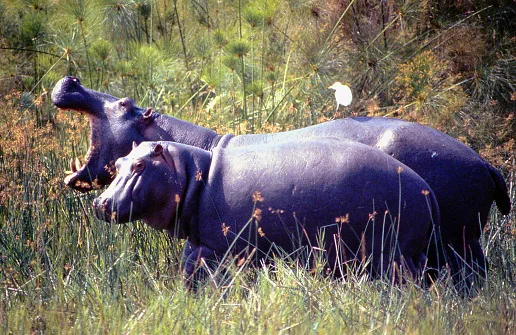
Two hippos in Papyrus Swamp in Virunga National Park Republic of Congo/By: Robert_Ford/iStock
The deaths were recorded over approximately four weeks, with the first reports emerging in mid-September 2026. Laboratory tests confirmed that anthrax, a bacterial disease caused by Bacillus anthracis, was responsible for the deaths.
According to Al Jazeera, residents living along the Semuliki River began noticing hippo carcasses in the water in September, prompting concerns about the growing number of deaths.
The outbreak comes as the DRC continues to battle a serious Ebola outbreak, placing additional pressure on communities already dealing with public health challenges.
Why anthrax is a concern for Virunga’s wildlife
Anthrax is a potentially fatal infectious disease that affects both domestic and wild animals. Its spores can survive in soil for decades, making outbreaks particularly difficult to eliminate once an area has been contaminated.
Virunga National Park officials say the disease can spread to people through contact with infected or dead animals, as well as through the consumption of contaminated meat.
Authorities have urged residents not to touch, skin or eat animals found dead in the affected area. Communities have also been encouraged to report carcasses and suspected cases to the relevant authorities.
Park teams are monitoring the affected areas, recording new wildlife deaths and coordinating the safe handling and disposal of carcasses.
The loss of hippos is particularly concerning because these large herbivores play an important role in maintaining healthy aquatic ecosystems. Often described as ecosystem engineers, hippos move nutrients between land and water through their feeding habits and waste, influencing the ecological balance of rivers and surrounding habitats.
Drought and environmental pressures could contribute to outbreaks
Anthrax outbreaks are not entirely new to Virunga. Park officials say previous incidents have affected hippos and other wildlife, particularly during periods of drought.
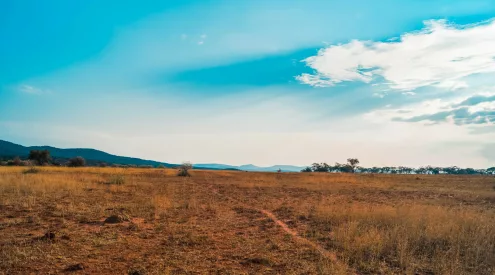
Changing environmental conditions can increase the risk of exposure. When vegetation becomes scarce, herbivores may gather around limited grazing areas and water sources, increasing their chances of coming into contact with contaminated soil.
According to Al Jazeera, ecological pressures, the persistence of anthrax spores in the environment and difficulties monitoring wildlife health all contribute to the recurrence of outbreaks.
The scale of the latest incident is concerning, particularly given that a previous outbreak killed 65 hippos in Virunga in 2025.
Despite these losses, the park’s February 2026 population census estimated that more than 2,700 hippos remained in the ecosystem, distributed across 171 groups.
Conservation challenges in Africa’s oldest national park
Established in 1925, Virunga National Park is Africa’s oldest national park and one of the continent’s most important biodiversity conservation areas.
Located in eastern DRC, the UNESCO World Heritage Site is known for its remarkable range of habitats, including tropical forests, savannahs, wetlands and volcanic landscapes. It is also home to mountain gorillas, forest elephants, hippos and numerous other wildlife species.
However, conservation efforts have been complicated by decades of armed conflict in the region. According to Al Jazeera, ongoing insecurity has contributed to poaching, deforestation and difficulties protecting parts of the park.
Virunga officials have also reported losing control of significant portions of the park’s territory over the past four years amid fighting involving the Congolese army and M23 armed fighters.
These challenges make monitoring wildlife populations and responding to disease outbreaks particularly difficult.
Why protecting hippos matters
The latest outbreak highlights the close relationship between wildlife conservation, environmental health and human wellbeing.
Conservation experts have called for stronger disease surveillance, improved management of animal carcasses and closer cooperation between wildlife authorities, public health officials and local communities.
Protecting Virunga’s hippos is about more than conserving a single species. Their movements and feeding habits help sustain the ecological processes that support other wildlife and aquatic habitats.
As the park continues to monitor the outbreak, the situation serves as a reminder of the environmental pressures facing some of Africa’s most important protected wilderness areas.
Follow us on social media for more travel news, inspiration, and guides. You can also tag us to be featured.
Instagram | Facebook | Twitter | Spotify
ALSO READ:
Cape Town puppy finds a second chance after botched tail-docking incident