
From open-air museums and cultural villages to rock art and heritage trails, here are seven ways to step into South Africa’s living history while soaking up the outdoors.
1. Cultural Villages
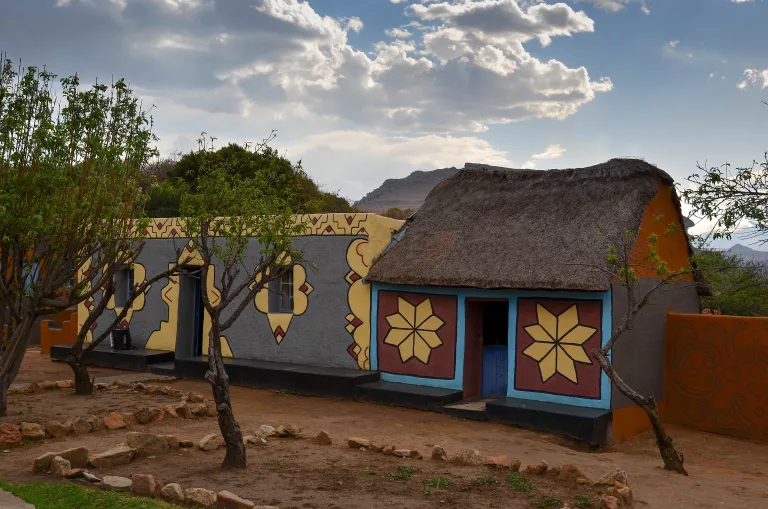
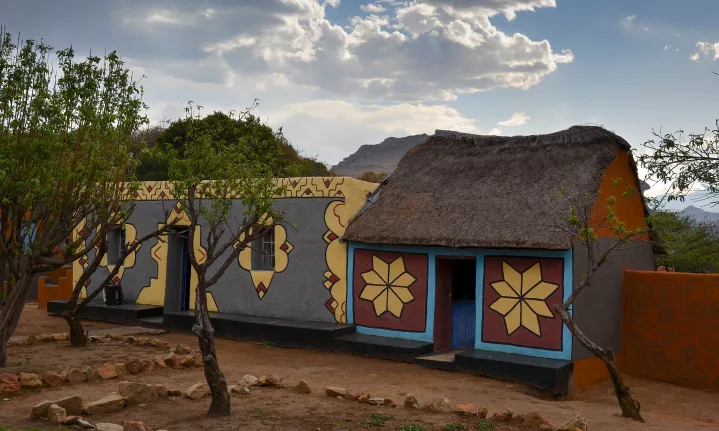
Basotho Cultural Village/Pavel Špindler/Wikimedia Commons
South Africa’s cultural villages give visitors the chance to step into traditions that are still practiced today.
Botshabelo Historical Village (Mpumalanga): Once a 19th-century mission station, Botshabelo has been transformed into an open-air museum. Colourful Ndebele homesteads, beadwork demonstrations, and surrounding trails make it an immersive blend of history and culture.
Basotho Cultural Village (Free State): In Golden Gate Highlands National Park, traditional thatched homesteads showcase the art, crafts, and oral traditions of the Basotho people. A highlight is a marabaraba (board game) challenge with locals after a herbal-guided walk through the landscape.
Lesedi Cultural Village (Gauteng): Near Johannesburg, Lesedi offers a multi-tribal experience, with Zulu, Xhosa, Pedi, Ndebele, and Basotho homesteads. Expect storytelling, lively dancing, and generous hospitality, all in an outdoor setting that keeps heritage alive.
2. Walking History

Steps up to Donkin Reserve on Route 67/Suzi-k/Wikimedia Commons
Some of South Africa’s richest heritage is best uncovered on foot.
Donkin Heritage Trail (Gqeberha): This 5 km self-guided route links 47 historic sites, from Victorian churches to Georgian-era houses. It’s a chance to slow down and absorb a city’s colonial and liberation history.
Stilbaai Heritage Routes (Western Cape): Guides here connect visitors to the region’s layered past, from Khoikhoi fish traps along the shoreline to the famous Blombos Cave—home to some of the earliest known examples of human art.
3. Rock art under open skies

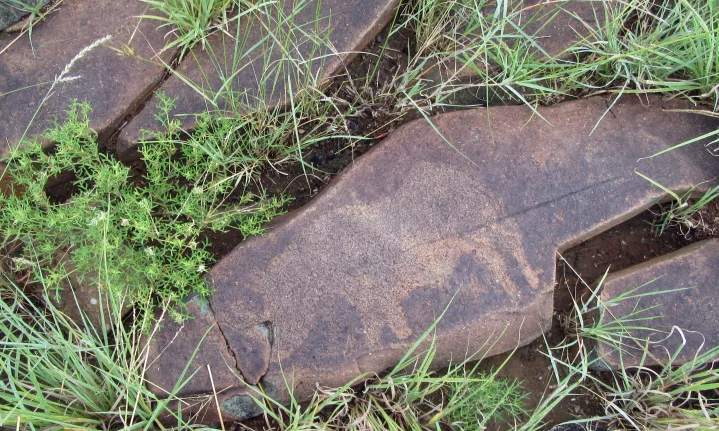
Rhino carving, Wildebeest Kuil Rock Art Centre/amanderson2/Wikimedia Commons
Few outdoor experiences are as humbling as standing before ancient art etched into stone.
Wildebeest Kuil Rock Art Centre (Northern Cape): With over 400 engravings dating back thousands of years, this site is guided by custodians from the !Xun and Khwe communities. Their stories add depth to the open-air gallery.
uKhahlamba-Drakensberg Park (KwaZulu-Natal): This UNESCO-listed mountain wilderness is home to some of the world’s finest San rock paintings. Trails here lead you past waterfalls and cliffs to paintings that whisper stories of hunters, shamans, and sacred rituals.
4. Archaeological landscapes

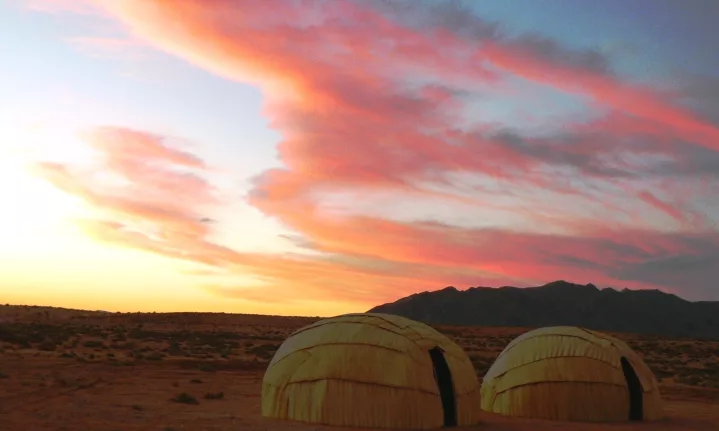
Richtersveld World Heritage Site, Matjieshuts/Andrew Hall/Wikimedia Commons
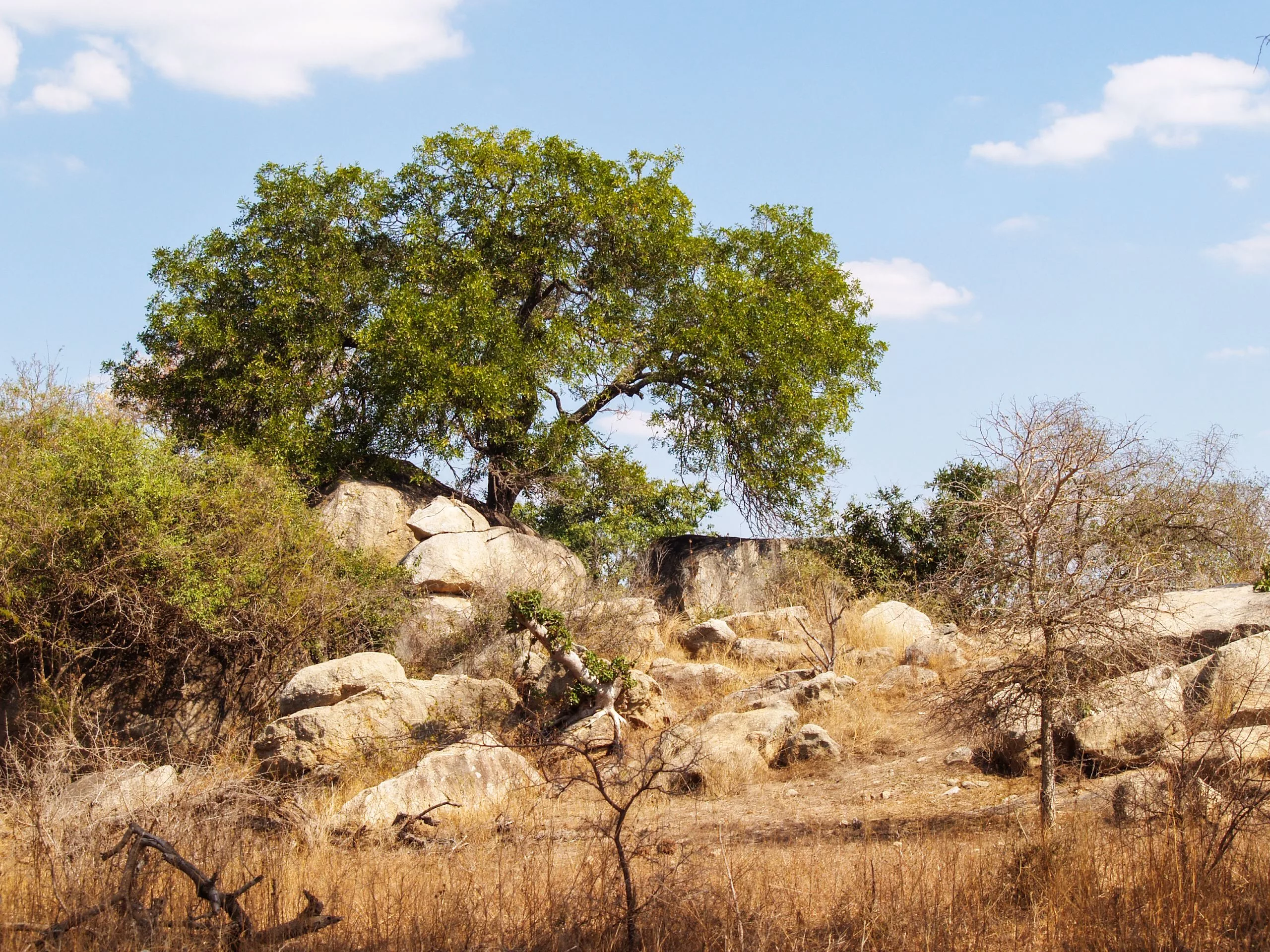
The open veld holds the ruins of South Africa’s earliest civilisations.
Mapungubwe Cultural Landscape (Limpopo): This UNESCO World Heritage site was the seat of a powerful African kingdom between 900 and 1300 AD. From hilltop ruins and royal graves to the iconic golden rhino, the site is layered with significance—and sweeping river confluence views.
Richtersveld Cultural and Botanical Landscape (Northern Cape): A stark but beautiful desert, the Richtersveld is home to Nama pastoralists whose traditions remain intact. Visitors can join community-led tours that celebrate indigenous plant knowledge, semi-nomadic history, and starlit desert nights.
5. Dance and storytelling in the Cederberg

Die Nuwe Graskoue Trappers, traditional dancers from Wupperthal in the Cederberg mountains/SanDanceVR/Wikimedia Commons
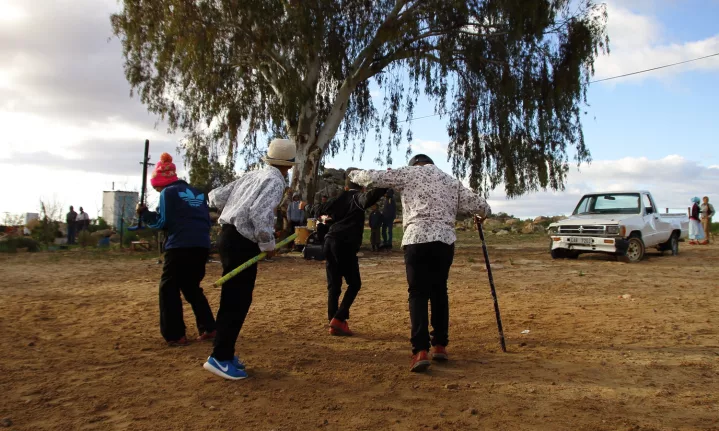
The Cederberg mountains aren’t only known for rock formations—they’re also a stage for one of Africa’s oldest dances. The San Riel Dance Experience brings to life a dance that blends storytelling, rhythm, and heritage. Performed in the open, it’s a moving reminder of culture as living expression.
6. Pioneer life at open-air museums

Old Harbour Museum/Aliyahreflections/Wikimedia Commons
Outdoor museums offer hands-on encounters with the past.
Kleinplasie Living Open-Air Museum (Worcester): This working farmstead demonstrates pioneer crafts, from candle-making to bread-baking. Visitors can taste, touch, and try their hand at traditional activities under the sun.
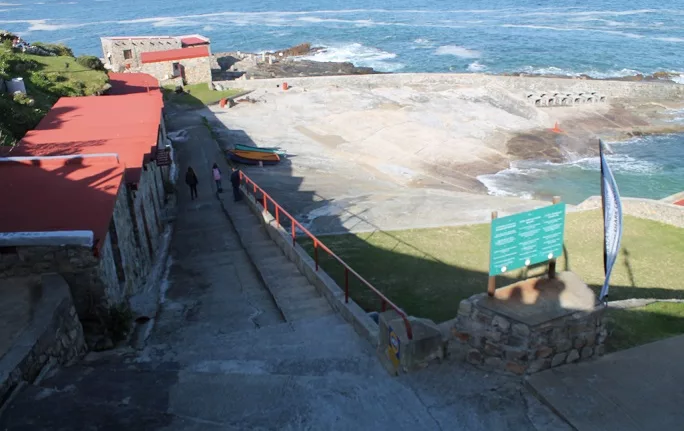
Old Harbour Museum (Hermanus): Overlooking the ocean, this site preserves the fishing heritage of Hermanus. Restored fishing shacks, a reconstructed “Fishermen’s Village,” and the Whale House create a vivid maritime atmosphere in the open air.
7. Heritage by the sea and sky
For a truly atmospheric way to encounter heritage, combine culture with landscape. Whether it’s listening to San stories under the vast Cederberg stars or standing on the cliffs of Hermanus where fishing history meets whale migrations, South Africa’s heritage is never far from its landscapes.
Follow us on social media for more travel news, inspiration, and guides. You can also tag us to be featured.
TikTok | Instagram | Facebook | Twitter
ALSO READ: The best heritage day drives for a spring escape