






Why flight delay reasons matter more than ever for travelers
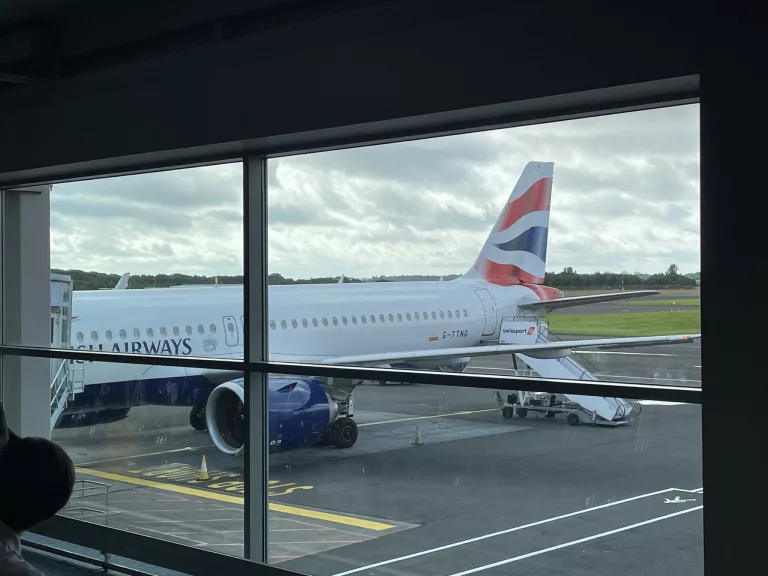
A delayed flight used to mean nothing more than a long wait in the terminal and a few missed plans. Today, the story behind that delay carries far greater weight. Whether it’s staffing shortages, weather disruptions, or internal airline problems, the cause affects what passengers are owed, how airlines respond, and even the trajectory of aviation policy.
Sourced; X{@Padgriffin_}
More than inconvenience: why “cause” counts
According to The Traveler, The U.S. Department of Transportation (DOT) categorizes delays into airline-controlled issues, national aviation system constraints, extreme weather, and late-arriving aircraft. This may sound technical, but it determines whether travelers receive compensation, meal vouchers, or hotel stays. A flight held up due to a controller shortage is treated differently than one delayed by a mechanical fault—even if passengers feel the same frustration in the airport lounge.
Recent staffing gaps, including those during government shutdowns, highlighted how fragile air traffic systems can become. Ground stops, slowed arrival rates, and long waits across major hubs—from Dallas to Newark—show that delays often stem from systemic issues rather than airline negligence. For passengers, this distinction is critical: it can mean the difference between a refund or absorbing extra costs.
Global lessons in delay complexity
International incidents underscore the murky lines between causes. In Canada, flight attendant strikes in 2025 exposed the ripple effects of pre-existing operational issues. In India, a major low-cost carrier faced a storm of delays from pilot duty rules, tech glitches, congestion, and weather simultaneously. These examples reveal that what looks like a weather problem may be layered with staffing or scheduling failures, complicating accountability.
Transparency and evolving regulations
New U.S. rules, including the 2024 FAA Reauthorization Act, aim to clarify passenger rights when delays occur. DOT dashboards now show airlines’ commitments for meal vouchers, hotel accommodations, and rebooking options—but accuracy depends on the reported cause. Misclassification of delays can mask preventable issues and obscure patterns that should drive policy changes.
Passenger advocates are increasingly scrutinizing these labels, cross-referencing official records with weather reports, staffing advisories, and operational notices. Travelers are learning that understanding the reason for a delay isn’t just curiosity, it’s a tool for protecting their rights and planning smarter trips.
How travelers can adapt
Frequent flyers are already adjusting habits based on delay trends: choosing early-morning flights, avoiding historically congested airports, building longer layovers, and selecting airlines with strong voluntary compensation policies. Asking for the official cause of a delay, checking airline dashboards, and knowing passenger rights are becoming essential steps in every journey.
In a world of packed planes, delicate schedules, and rising expectations, the “why” behind a flight delay is no longer trivial. For modern travelers, it shapes expenses, experience, and even the future rules of the skies.
Follow us on social media for more travel news, inspiration, and guides. You can also tag us to be featured.
TikTok | Instagram | Facebook
ALSO READ: