
Botswana’s black rhino population has doubled following the successful translocation of 20 animals from South Africa to a remote and secure location in the country.
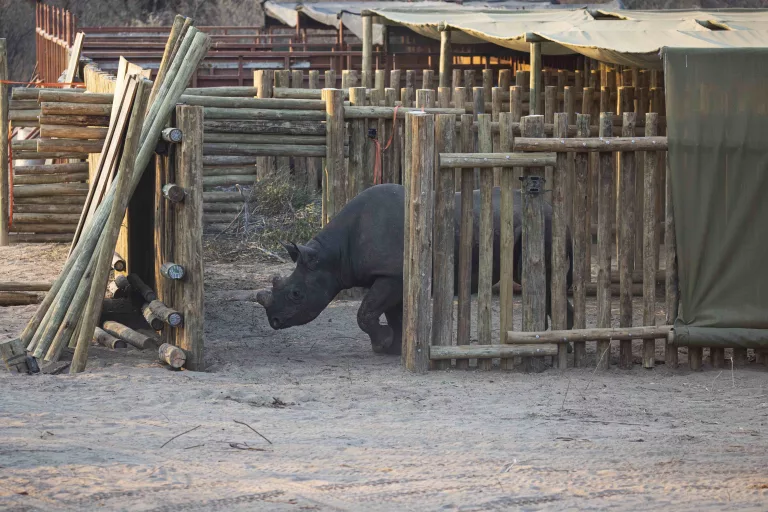
Image: Supplied
The move was completed in early September by WWF South Africa’s Black Rhino Range Expansion Programme (BRREP), with the newly relocated animals now settling into their new habitat.
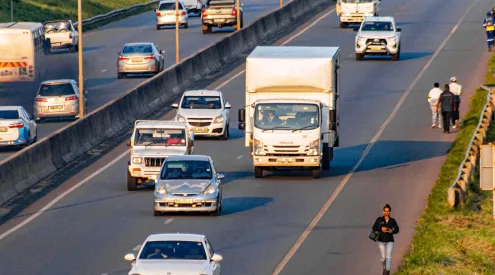
The translocation involved two 36-hour road journeys and is only the second cross-border move undertaken by the programme. Its first international translocation took place in 2019, when black rhinos were moved to Liwonde National Park in Malawi.
The 20 rhinos were captured in KwaZulu-Natal in early June and spent a quarantine period in a boma before being transported to their new home. According to BRREP leader Jeff Cooke, all 20 animals have arrived safely and are settling in well.
Creating space for black rhino recovery
Finding sufficiently large areas of suitable habitat is becoming increasingly difficult, according to WWF South Africa. BRREP generally looks for areas of around 20 000 hectares or more where black rhino populations can be re-established and given space to breed and grow.
The latest translocation is particularly significant for Botswana, where black rhinos have faced increasing poaching pressure in recent years, particularly around the Okavango Delta.
The International Rhino Foundation estimates that around 25 black rhinos remained in Botswana before the latest move. The new population brings the country’s estimated total to approximately 45 animals.
Cooke said expanding the programme across international borders is becoming increasingly important as suitable habitat becomes harder to find. Establishing new populations in other black rhino range states can also contribute to broader species recovery and potentially create opportunities for the animals to expand into additional areas in future.
A wider conservation impact
BRREP has been moving black rhino populations since 2003, with the aim of re-establishing the species in suitable areas where populations can grow.
The programme has now established 18 new black rhino populations and moved 310 animals, including the latest group sent to Botswana. More than 220 calves have survived on BRREP sites to date.
The benefits can extend beyond black rhinos. The programme has encouraged landowners to consolidate smaller areas of habitat into larger, more ecologically viable blocks. These landscapes can also support other species that require extensive ranges, including wild dogs, vultures and cheetahs.
WWF South Africa said the Botswana translocation highlights the role of coordinated conservation efforts and partnerships in supporting black rhino population recovery across the continent.
Follow us on social media for more travel news, inspiration, and guides. You can also tag us to be featured.
Instagram | Facebook | Twitter | Spotify
ALSO READ: