



South Africa’s coastline is once again under close watch as environmental authorities urge the public to stay away from marine animals washing up on beaches, following the spread of hazardous red tides along parts of the west and south coasts.

Waar Brandit INNI KAAP/Facebook
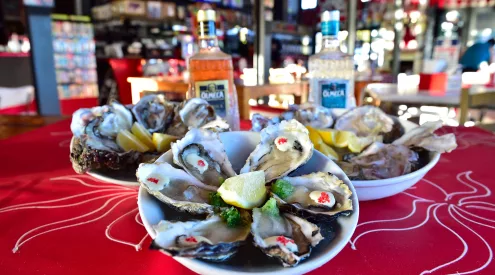
According to Cape ETC, environmental officials have cautioned that certain shellfish and marine species may be toxic to humans, raising concerns for coastal communities and beachgoers who might be tempted to collect seafood from affected areas.
The warning comes amid ongoing reports of shellfish wash-ups and fish deaths linked to deteriorating water conditions, as noted by EWN.
Earlier alerts highlighted increased risk in areas such as St Helena Bay and Elandsbaai, where white mussels, whelks and other shellfish were flagged as unsafe for consumption.
Since then, monitoring teams have identified a fresh red tide stretching from Elandsbaai to the Olifants Estuary, prompting renewed concern over the extent of contamination.
Authorities have also kept a close eye on Walker Bay near Hermanus, which remains under observation due to lingering environmental risks.
Further along the coastline, a separate but serious incident has unfolded in Mossel Bay, where a sewerage discharge is believed to have triggered mass fish deaths in the Hartenbos Estuary, compounding worries about water quality and marine life health.
Officials say the unfolding situation highlights the unpredictable nature of red tides and the risks they pose to both ecosystems and public health.
These naturally occurring phenomena can cause marine organisms to accumulate toxins, making them dangerous to eat even if they appear fresh.
Providing an update on the department’s response, spokesperson Thobile Molobi said monitoring efforts are ongoing to track the spread and impact of the red tide.
‘The department is continually monitoring the situation and the extent of the red tide which is what has caused this washout of the shellfish and the resultant mass mortalities on the west coast and south coast areas.’
Environmental teams are continuing shoreline inspections while assessing the broader impact on marine ecosystems.
The public is being urged to remain cautious, avoid harvesting or consuming washed-up marine animals, and report unusual sightings of fish or shellfish deaths to local authorities.
Article shared by Cape ETC
Follow us on social media for more travel news, inspiration, and guides. You can also tag us to be featured.
TikTok | Instagram | Facebook | Twitter
ALSO READ: South Korea to end bear bile farming, but hundreds of bears remain confined