






Two South African men have been sentenced in what authorities have described as the world’s largest rhino horn trafficking case, bringing partial closure to a legal saga that has stretched on for nearly two decades.
Ajeet Panesar/Unsplash
Dawie Groenewald, identified by investigators as the alleged mastermind behind the operation, and co-accused Tielman Erasmus were sentenced following a plea agreement in a case involving more than 1,700 charges linked to illegal rhino hunting, dehorning, racketeering and money laundering.
According to South Africa’s Directorate for Priority Crime Investigation, commonly known as the Hawks, Groenewald was handed a fine of R2 million or four years’ imprisonment. Erasmus received a R100,000 fine or a three-year prison sentence.
The case dates back to 2007, when authorities began investigating an extensive rhino horn trafficking network. Arrests followed in 2010, with 11 individuals linked to the alleged operation, including professional hunters, veterinarians and a helicopter pilot. What followed was a series of legal challenges and delays that prolonged proceedings for more than 15 years.
During that time, several accused individuals and key witnesses died, while others left the country. Cases against three remaining accused have been postponed until August.
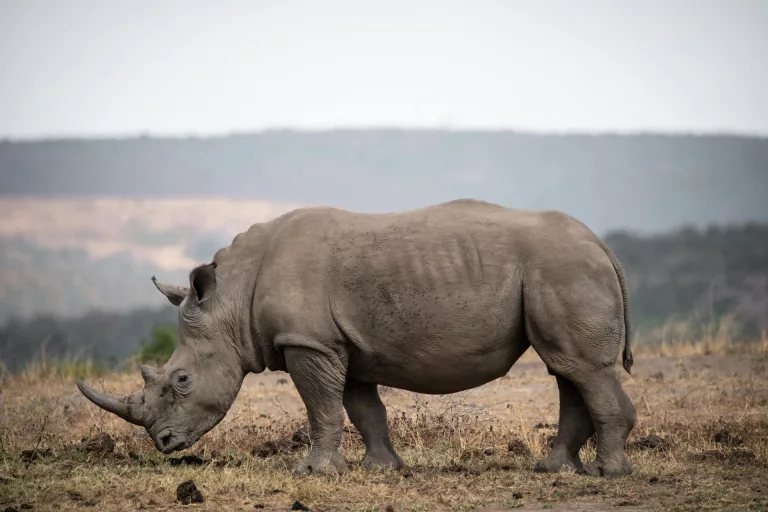
The sentencing comes as South Africa continues to battle wildlife crime. Home to a significant portion of the world’s remaining rhino populations, the country remains at the centre of global conservation efforts. South Africa accounted for the vast majority of Africa’s recorded rhino poaching incidents in 2024, underscoring the ongoing threat posed by illegal wildlife trafficking networks.
Rhino horn remains highly sought after on the black market, particularly in parts of Asia where it is used in traditional medicine despite scientific evidence showing no proven medicinal benefits. The illegal trade continues to fuel organised crime syndicates and place immense pressure on already vulnerable rhino populations.
While the sentencing marks a significant milestone in one of South Africa’s most high-profile wildlife crime prosecutions, conservationists warn that the fight against rhino poaching and trafficking is far from over. The case serves as a stark reminder of the scale and complexity of the illegal wildlife trade, as well as the challenges authorities face in bringing offenders to justice.
(Source: The Guardian)
Follow us on social media for more travel news, inspiration, and guides. You can also tag us to be featured.
Instagram | Facebook | Twitter | Spotify
ALSO READ:
New Home Affairs booking platform aims to stop appointment syndicates