



Travel is often planned around pin drops and bucket list destinations. A different kind of journey begins when movement becomes the organising principle.

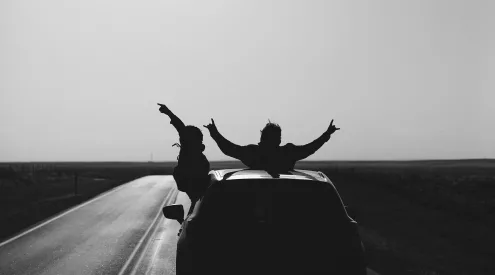
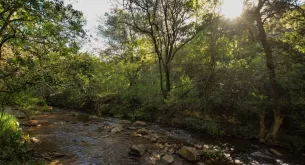
Image used for illustrative purposes/Claudio Schwarz/Unsplash
When travel is designed around walking, riding the rails, moving by water or driving yourself, the journey stops being a means to an end and becomes the story itself. Routes matter more than resorts. The way you arrive changes how deeply you connect.
Trips shaped by movement invite travellers to slow down, look closer and travel with intention, writes Lee-Ann Steyn.
Why the way you travel matters
Movement determines rhythm. It influences how much you notice, who you meet and how a place reveals itself. Walking sharpens attention to detail. Trains turn landscapes into unfolding narratives. Water routes demand patience and awareness. Self-drive travel encourages curiosity and detours.
Designing a trip around how you move shifts focus away from ticking off attractions and towards immersion. The result is travel that feels personal, grounded and memorable.
On foot: Journeys that reward every step
Walking as a way into a place
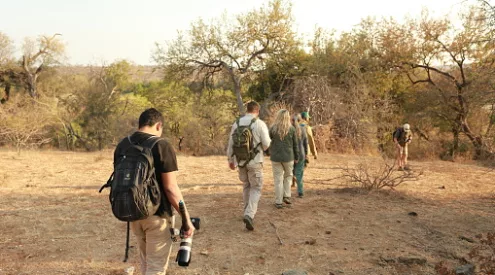
Travel on foot removes the buffer between traveller and terrain. Every incline is felt. Every smell, sound and shift in light becomes part of the experience. Walking forces a natural slowdown that opens space for observation and connection.
Coastal and wilderness walks
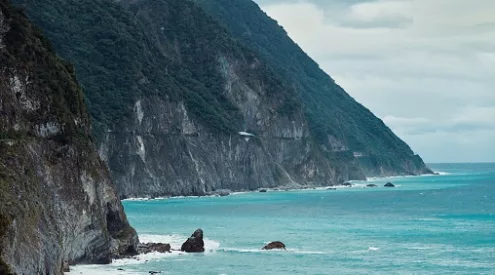
Multi-day coastal hikes and wilderness trails offer raw access to landscapes that remain unreachable by road. Foot travel along shorelines, mountain paths or rural tracks creates an intimacy with nature that no vehicle can replicate. Camps, lodges or villages along the way become punctuation marks rather than destinations.
Cities explored step by step
Urban walking trips prioritise neighbourhoods over landmarks. Street food, corner cafés, markets and murals begin to tell a more honest story of a city. Walking reveals how people live rather than how places are marketed.
Cultural and storytelling routes
Historic paths, pilgrimage-style routes and community-led walking trails create journeys rooted in narrative. Stories unfold through guides, elders, signage or shared meals. Movement becomes a vehicle for memory and meaning.
ALSO READ: 4 low-impact ways to explore Southern Africa
By train: Travel from a moving viewpoint
The romance of rail travel
Train journeys carry a timeless appeal. The steady rhythm of the tracks, wide windows and shared spaces encourage reflection and conversation. Landscapes reveal themselves gradually, without the stress of navigation.
Scenic rail routes
Railways crossing mountains, deserts, vineyards or coastlines turn transit into theatre. The journey itself becomes the highlight as changing scenery unfolds frame by frame.
Overnight and sleeper trains
Night trains transform travel time into rest time. Falling asleep in one region and waking in another adds a sense of quiet magic. Cabins, dining cars and stations create their own micro-worlds.
Everyday routes turned adventures
Short commuter lines and regional railways offer accessible ways to experience a place differently. Ordinary routes often deliver extraordinary views and authentic interactions.
By water: Following rivers, tides and coastlines
Travel by water shifts the horizon. Movement slows, and attention turns outward. Rivers, lagoons and coastlines reveal ecosystems, histories and communities shaped by water.
River journeys and slow boats
River travel passes through towns, wetlands and working landscapes. Boats become floating vantage points that connect travellers to daily life along the banks.
Kayaking and self-powered routes
Kayak and canoe journeys demand presence and effort. Wildlife encounters feel closer. Camps and beaches become destinations earned through physical engagement.
Sailing and island hopping
Moving between islands or along coasts by boat creates a flexible, weather-driven itinerary. Days revolve around wind, tides and anchorage rather than schedules.
Self-drive only: Roads that shape the journey
Freedom behind the wheel
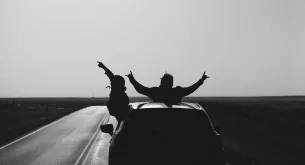
Self-drive trips offer autonomy. Stops happen on instinct. Detours become discoveries. The road dictates pace and possibility.
Themed road trips
Routes built around food, wine, heritage, wildflowers, or wildlife create coherence without rigidity. Each stop adds a chapter rather than a checklist item.
Back roads and slow travel
Gravel roads, scenic passes, and lesser-known routes encourage patience and reward curiosity. Landscapes change subtly. Conversations linger longer.
Micro-escapes close to home
Short self-drive trips near cities prove that meaningful travel does not require long distances. Sunrise viewpoints, farm stalls, and small towns deliver depth within a limited radius.
Choosing your movement style
Each mode of movement offers a different relationship with place. Walking suits travellers seeking intimacy and immersion. Trains appeal to those who value narrative and ease. Water journeys attract reflective explorers. Self-drive travel fits curious wanderers who value flexibility.
Choosing how to move becomes an act of intention. Travel shifts from consumption to connection.
When the journey becomes the destination
Trips shaped by movement remind travellers that arrival is not the only measure of success. The road, track, rail, or river carries its own rewards. Travel becomes less about distance covered and more about presence gained.
Follow us on social media for more travel news, inspiration, and guides. You can also tag us to be featured.
TikTok | Instagram | Facebook | Twitter
ALSO READ: Trips that reset how you travel together