

In central Mozambique, a remarkable conservation effort is transforming a landscape once devastated by war into one of Africa’s most inspiring wildlife recovery stories.
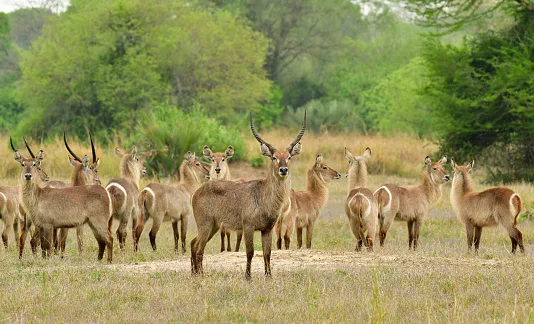
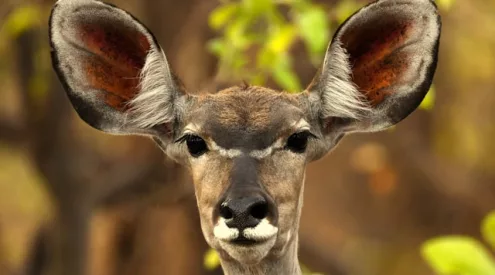
Waterbuck in Gorongosa National Park/By: Walter Stein/Getty Images
At Gorongosa National Park, elephants roam the floodplains, lions move through the savannah, and researchers investigate the extraordinary biodiversity of nearby mountain forests. But the park’s revival is about more than bringing animals back.
It is also about restoring ecosystems, supporting local livelihoods and demonstrating why the future of conservation depends on the people who live alongside wildlife.
The national park that refused to disappear
Established in 1960, Gorongosa National Park lies in Mozambique’s Sofala Province, at the southern end of the Great Rift Valley. Its landscape encompasses open grasslands, wooded savannah, seasonal wetlands, rivers and mountain habitats, creating a mosaic of environments that supports a remarkable range of wildlife. For decades, it was regarded as one of Africa’s outstanding safari destinations.
That reputation was shattered during Mozambique’s civil war, which lasted from 1977 to 1992. Wildlife populations suffered devastating losses as animals were killed for meat and ivory, while conflict disrupted the protection and management of the park. In the years that followed, the challenge was not simply to restore a famous safari destination but to rebuild an ecosystem whose natural balance had been severely damaged.
The recovery began to gain momentum in the early 2000s, with the Gorongosa Restoration Project helping lay the groundwork for long-term rehabilitation. In 2008, the Government of Mozambique and the Carr Foundation established a public-private management partnership focused on biodiversity conservation and ecotourism, alongside human development in surrounding communities. The agreement was extended in 2018 for another 25 years.
The approach recognised that a functioning national park needs more than protected boundaries. Wildlife must have healthy habitats, rangers need resources to protect it, and neighbouring communities need opportunities to benefit from a thriving natural environment.
Bringing the wildlife back
Restoring Gorongosa’s wildlife has involved years of monitoring, habitat management, anti-poaching work and carefully planned animal reintroductions. The aim is not merely to increase the number of animals but to rebuild a functioning ecosystem in which different species can fulfil their ecological roles.
Rebuilding populations and restoring balance
Large herbivores such as elephants, buffalo and zebras influence the landscape through grazing, browsing, seed dispersal and their movement across habitats. Predators, meanwhile, help regulate prey populations and contribute to the complex relationships that shape an ecosystem.
Restoration efforts have included the return of species such as African wild dogs, also known as painted wolves, as well as zebras, hyenas and leopards. These efforts are supported by veterinary teams, wildlife monitoring and ongoing protection work.
The results are measurable. According to the Gorongosa Restoration Project’s 2024 highlights, an aerial survey counted 110,513 large animals inside the national park, the highest total recorded by the project at that time. The same report documented the translocation of seven hyenas, 32 zebras and two leopards during the year.
These figures offer an encouraging snapshot of recovery, although animal numbers alone cannot tell the whole story. Long-term success also depends on habitat quality, species diversity, genetic health and the ability of wildlife populations to withstand future environmental pressures.
The people protecting the park
Wildlife recovery relies on people working behind the scenes. Gorongosa’s conservation department employs rangers and specialists responsible for law enforcement, animal management, reintroductions and human-wildlife coexistence. Its official conservation information reports that more than 300 people work in the department, with the workforce overwhelmingly Mozambican.
Their work ranges from monitoring animals and responding to wildlife emergencies to preventing poaching and helping manage encounters between people and potentially dangerous animals.
For visitors, the result may be a memorable sighting of elephants crossing a floodplain or a predator resting in the shade. Behind such moments lies a sustained effort to protect the conditions that allow wild animals to survive.
ALSO READ:
Ethiopia’s coffee ceremony: The ritual behind the world’s favourite drink
A rainforest with secrets still to uncover
Beyond the park’s better-known savannah and floodplains lies another world. Mount Gorongosa rises above the surrounding landscape, supporting rainforest, mountain grasslands and a variety of habitats that make the wider Gorongosa ecosystem especially important for biodiversity.
The mountain is not simply a scenic backdrop to the safari plains below. Its forests play an important role in the region’s water systems, while its varied habitats provide homes for plants and animals that may be overlooked in the more familiar story of African big game.
The importance of Mount Gorongosa
Mountain forests capture and regulate water, helping sustain streams and rivers that feed the surrounding landscape. The rivers flowing from Mount Gorongosa are particularly important to the national park’s floodplains and the wildlife that depends on them.
However, these forests have faced pressure from deforestation and the loss of natural vegetation. Protecting them requires an approach that considers the entire landscape, from mountain slopes and farming areas to rivers and wetlands.
Forest restoration is therefore closely connected to the future of the savannah below. Damage to mountain watersheds can affect the availability of water and the health of habitats throughout the wider ecosystem.
Science at the heart of conservation
Gorongosa has also developed into an important centre for ecological research. Its scientific programme supports investigations into biodiversity, animal behaviour, ecology and the long-term restoration of ecosystems.
Researchers use wildlife surveys, field observations and other monitoring methods to understand how species and habitats respond to conservation measures. The park’s scientific work also offers opportunities to train students and develop conservation expertise in Mozambique.
This research helps answer practical questions. How do large herbivores influence vegetation? How does fire shape the savannah? Which habitats require urgent protection? And how can conservation managers determine whether an intervention is delivering lasting results?
The answers help inform decisions on the ground, turning Gorongosa into a living laboratory where restoration can be studied and refined over time.
Why conservation must include local communities
One of the most significant aspects of Gorongosa’s approach is its recognition that wildlife cannot be protected in isolation from the lives of people in the surrounding region.
Communities living near protected areas depend on the land for food, income and natural resources. When conservation limits access to resources without providing viable alternatives, it can create tension. When it creates opportunities and improves livelihoods, however, local people can become active partners in protecting the environment.
Gorongosa’s restoration programme therefore extends beyond the park boundary, incorporating initiatives in agriculture, education, healthcare and sustainable development.
Growing coffee to help restore a forest
One of the clearest examples is the coffee programme on Mount Gorongosa.
Launched in 2014, the initiative introduced arabica coffee grown beneath native shade trees. This agroforestry approach offers farmers a commercial crop while helping restore tree cover and reduce pressure to clear forest for cultivation. The coffee is processed locally and sold in Mozambique and international markets.
The model links environmental restoration with household income. Rather than treating farming and forest protection as competing priorities, it aims to make them mutually supportive.
The programme has expanded considerably. According to Gorongosa’s official product information, more than 1,600 farmers grow coffee on over 500 hectares. The wider agricultural portfolio also includes honey, chillies and cashews, creating additional opportunities for producers in communities around the park.
These enterprises are important because conservation needs to be economically viable for the people whose daily decisions affect the landscape. A farmer who can earn an income from a shade-grown crop has a practical reason to help preserve the trees that support it.
The approach is not a simple solution to every challenge. Farmers still face the realities of weather, markets, transport and production costs. Nevertheless, it demonstrates how carefully designed agricultural programmes can contribute to both rural development and environmental recovery.
Education, healthcare and opportunity
Gorongosa’s community programmes also address needs that extend beyond farming. The restoration project supports educational initiatives, healthcare services and opportunities for young people, recognising that healthy communities are an essential part of a sustainable conservation landscape.
Education can help young people develop skills and explore future careers, including in science, tourism and conservation. Healthcare initiatives can improve access to essential services in rural areas, while agricultural support can help households strengthen their food security and income.
These programmes are not separate from the park’s ecological mission. They form part of a broader strategy in which protecting biodiversity and improving human wellbeing are treated as interconnected goals.
The relationship is particularly important around Mount Gorongosa, where forest protection must take into account the needs of the people living and farming on its slopes. Long-term success depends on finding ways for communities to benefit from healthy landscapes without exhausting the resources on which they rely.
What travellers can experience in Gorongosa
View this post on Instagram
For travellers, Gorongosa offers an opportunity to experience a conservation story unfolding in real time. Its appeal lies in the variety of landscapes and activities, from wildlife viewing across open floodplains to exploring the mountain environment and learning about the work taking place to protect it.
Wildlife viewing across the floodplains
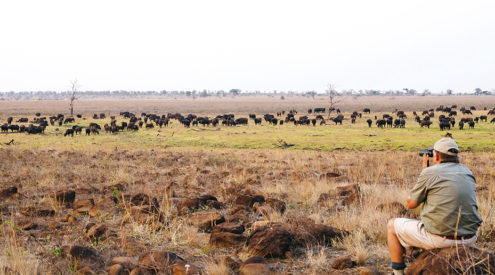
The park’s savannahs and seasonal wetlands provide habitat for elephants, lions, buffalo, hippos, zebras and numerous other species. Lake Urema and the surrounding floodplains are among the landscape’s defining features, changing with the seasons as water levels rise and fall.
Guided safaris offer visitors the chance to observe wildlife while learning about the relationships between animals, vegetation and water. Birdwatching is another attraction, with the park’s varied habitats supporting a diverse birdlife.
Wildlife sightings are never guaranteed, and the experience depends on factors such as season, rainfall and animal movements. That unpredictability is part of what makes visiting a functioning wilderness different from a conventional attraction.
Exploring the mountains and waterfalls
The Gorongosa Mountains offer a contrasting experience to the open plains. Visitors can explore mountain scenery, forested slopes and waterfalls, including the Murombodzi Falls, which lie within the mountain landscape. Hiking and other activities should be arranged through authorised park operators, with access dependent on conditions and current visitor arrangements.
This side of Gorongosa is particularly rewarding for travellers interested in plants, landscapes and conservation beyond the traditional safari. It also offers a glimpse of the ecological connections between the mountain forests and the wildlife-rich lowlands.
Travelling with conservation in mind
Gorongosa’s restoration work gives a visit an additional dimension. Tourism can help generate income for conservation and local livelihoods, while guided experiences provide opportunities to learn about the park’s ecological and community programmes. The park’s official visitor information outlines accommodation and available activities.
Travellers should check current access arrangements, seasonal conditions, accommodation and transport before departure. Mozambique’s rainy season can affect travel and park operations, so it is worth confirming details directly with the park when planning a visit.
Official visitor information is available through the Gorongosa National Park website.
A conservation story still being written
Gorongosa’s recovery is an encouraging reminder that damaged ecosystems can respond to sustained conservation efforts. Wildlife populations have rebounded, scientific research is helping guide restoration, and community programmes are creating opportunities to connect livelihoods with environmental protection. Yet the work is far from finished.
Maintaining healthy animal populations requires continued protection, monitoring and suitable habitat. Forest restoration on Mount Gorongosa must contend with the pressures of land use and deforestation, while communities continue to navigate the challenges of rural livelihoods and economic development. Climate variability and human-wildlife conflict also require ongoing attention.
There is no single intervention that can secure the future of such a complex landscape. Lasting progress depends on the interaction between science, effective management, local knowledge, community participation and long-term investment. Gorongosa’s experience shows both the potential of this integrated approach and the scale of the commitment required to sustain it.
For travellers, the park provides an opportunity to understand what conservation looks like beyond the safari vehicle: in research laboratories, on forested mountain slopes, in farming communities and in the daily work of people protecting a shared natural heritage.
Follow us on social media for more travel news, inspiration, and guides. You can also tag us to be featured.
Instagram | Facebook | Twitter | Spotify
ALSO READ:
Adventurer completes 700km Congo Basin expedition after losing contact with team