






Border regions are often defined by ecosystems rather than by political boundaries, writes Miriam Kimvangu.

Nungwi, Tanzania/Dmitry Limonov/Unsplash
These areas tend to support cross border trade, seasonal migration and joint conservation efforts and in many cases, visiting a border destination allows access to multiple landscapes and travel experiences within a single route. Below are six borderland regions where geography, biodiversity and community life intersect in ways that create strong travel value and unique itineraries.
Swahili Coast Border Region, Mozambique and Tanzania
Along the Indian Ocean coastline, cultural continuity is often stronger than national separation. Coastal towns and islands on both sides of the Mozambique and Tanzania border share architectural styles, fishing traditions and cuisine rooted in centuries of maritime trade. Tourism activities in this region include reef snorkelling, dhow sailing, mangrove exploration and village tours. Smaller coastal settlements offer opportunities for travellers seeking quieter alternatives to major beach resorts, with accommodation typically provided by locally owned lodges and guesthouses. The area is well suited to extended stays focused on marine ecosystems.
Sani Pass and the Drakensberg Highlands, South Africa and Lesotho

Sani Pass/Tristan Joubert/Unsplash
The Sani Pass is one of the highest and most challenging mountain roads in southern Africa, connecting KwaZulu-Natal with Lesotho’s highlands. The route climbs sharply through steep switchbacks and requires a 4×4 vehicle or a guided transfer. Weather conditions can change rapidly, particularly in winter, when snow may close the pass.
At the summit, travellers enter Lesotho’s alpine plateau, where grazing lands, stone villages and river valleys dominate the landscape. Activities in the region include guided hikes, pony trekking, fly fishing and cultural village visits. Accommodation options range from mountain lodges to community run guesthouses, making it suitable for both adventure focused and slower paced itineraries.
Kgalagadi Transfrontier Park, South Africa and Botswana

Kalahari in Kgalagadi Transfrontier Park/JOBOGAERTS/Wikimedia Commons
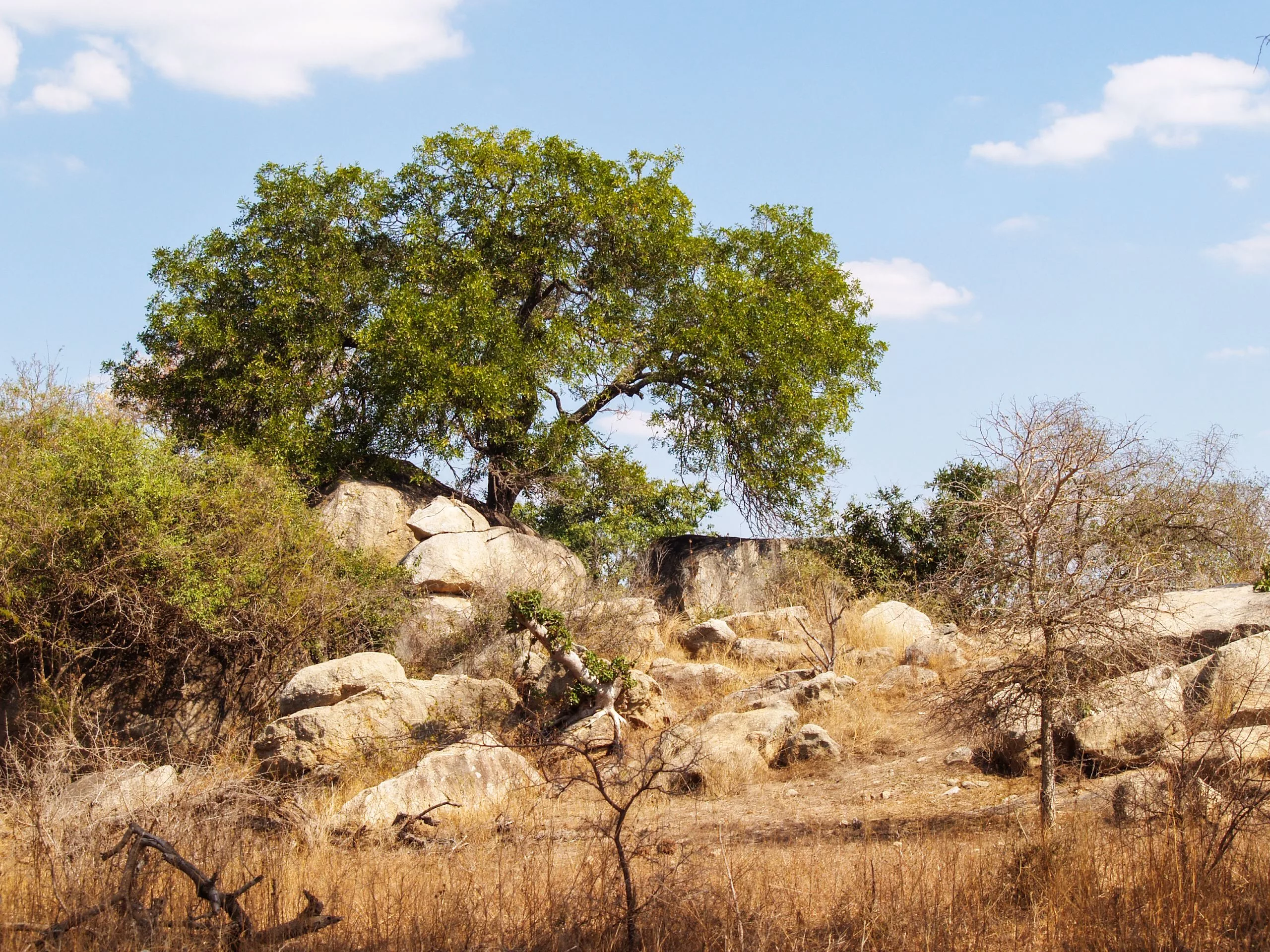
The Kgalagadi Transfrontier Park forms part of a joint conservation initiative between South Africa and Botswana and protects a large section of the southern Kalahari ecosystem. The park is known for its red dunes, open savannah and excellent predator viewing, especially lions, cheetahs and large birds of prey.
Visitors can cross between the two countries within the park at designated points, although passport control is still required depending on entry and exit routes. Camps and lodges are spaced far apart, creating a sense of isolation that appeals to self drive safari travellers and photographers. The best time to visit is in the cooler months.
Kazungula and the Zambezi River Corridor, Zambia, Zimbabwe, Botswana and Namibia

Victoria Falls/Jeremy Boley/Unsplash
Kazungula is located near the junction of four countries and plays a key role in regional transport and tourism. The area provides access to several major attractions, including Victoria Falls, Chobe National Park and quieter stretches of the Zambezi River.
Boat based activities are a primary draw, with river cruises offering wildlife viewing and birding opportunities. Fishing villages and border markets contribute to the cultural experience, while lodges on both sides of the river provide guided excursions and multi country day trips.
Mapungubwe and the Limpopo Valley, South Africa, Botswana and Zimbabwe

Mapungubwe/Gregory Fullard/Unsplash
The Limpopo Valley is a historically significant border region that combines archaeological heritage with semi arid wildlife habitats. Mapungubwe National Park, located on the South African side, protects ancient settlement sites that date back more than a thousand years and provide insight into early trade networks linking southern Africa with the Indian Ocean world.
In addition to heritage tourism, the area supports elephant populations, antelope species and diverse birdlife. Scenic viewpoints, guided cultural tours and riverfront drives form part of the visitor experience. The broader transfrontier conservation area extends into neighbouring countries.
Virunga Mountains, Uganda, Rwanda and the Democratic Republic of Congo

Virunga, Congo/Luc Huyghebaert/Unsplash
The Virunga Mountains consist of a chain of volcanoes and forested slopes that span three countries and form part of one of Africa’s most important biodiversity hotspots. The region is globally known for mountain gorilla trekking. It is regulated through permit systems managed by national parks.
Beyond gorilla tourism, visitors can explore crater lakes, tea estates and community conservation projects that support alternative livelihoods linked to tourism. Hiking routes range from short nature walks to multi day volcanic ascents, depending on fitness levels and travel objectives.
Follow us on social media for more travel news, inspiration, and guides. You can also tag us to be featured.
TikTok | Instagram | Facebook | Twitter
ALSO READ: A taste of the land: Exploring South Africa through harvest season




.jpg)